CM Revanth Reddy Reviews Kharif Season Agri Preparedness
Synopsis
Telangana CM A. Revanth Reddy reviewed the agriculture department on 16 June 2026 ahead of the kharif season, directing officials to distribute seven subsidised fine paddy seed varieties through Rythu Vedikas and coordinate urea needs with the central government.
Key Takeaways
CM Revanth Reddy chaired a pre-kharif agriculture department review on 16 June 2026 in Hyderabad.
Seven varieties of fine paddy seeds carrying a government bonus are to be made available to farmers at subsidised prices .
Rythu Vedikas — village-level farmer centres — have been designated as the primary channel for seed and fertiliser distribution.
Officials were directed to coordinate with the central government on urea and fertiliser allocation requirements ahead of peak sowing.
The Agriculture, Civil Supplies, Irrigation and allied departments were instructed to work in coordination from seed supply through to paddy procurement.
The directives operate under the Congress government's Praja Palana and Rythu Bharosa welfare frameworks.
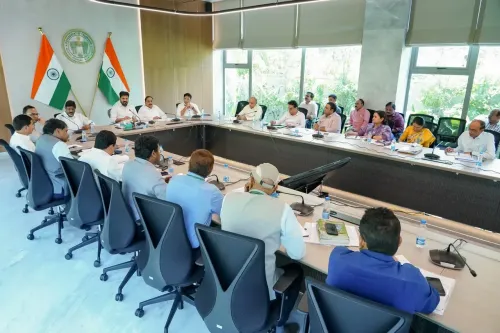
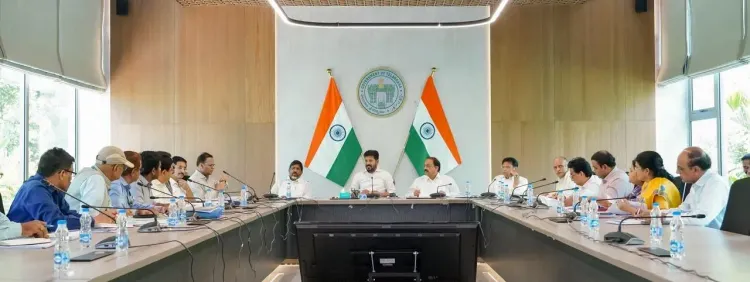
Telangana Chief Minister A. Revanth Reddy on Tuesday, 16 June 2026 conducted a review of the state agriculture department ahead of the kharif (vanakalam) crop season, issuing directives on seed and fertiliser distribution, technology adoption in farming, and inter-departmental coordination from Hyderabad.
Context
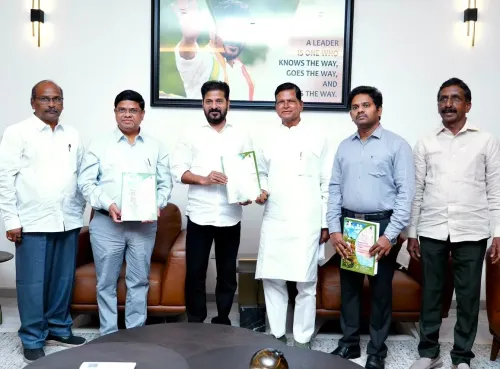
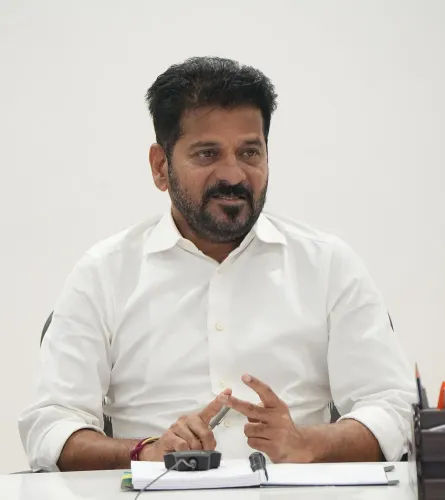
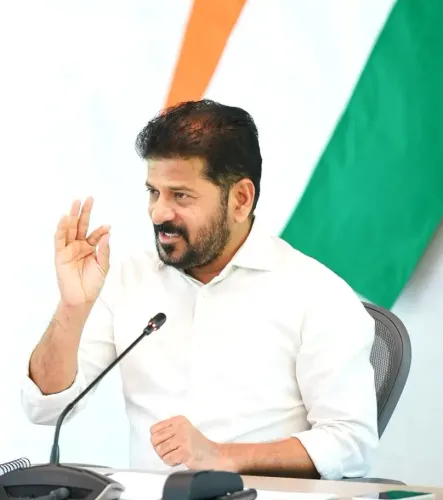
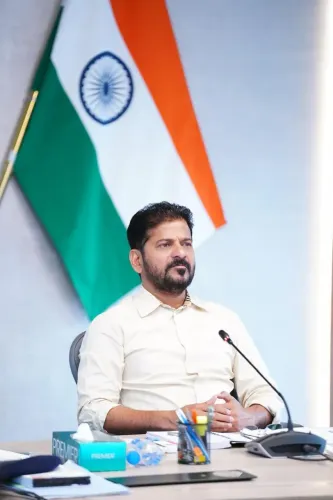
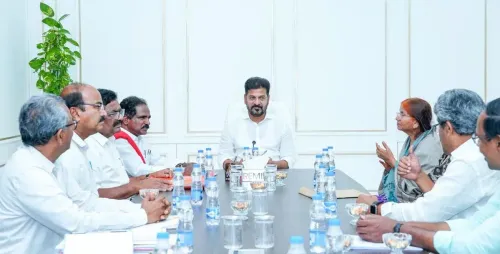
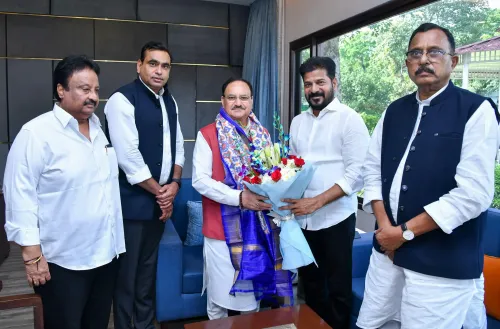
Posting in Telugu on X, the Chief Minister said he had 'conducted a review of the agriculture department in the backdrop of the commencement of the vanakalam crop season' and 'provided direction on seed and fertiliser distribution and the use of technology in cultivation.' The post, tagged with #RythuBharosa, #PrajaPalana, and #RythuVedika, was accompanied by four images from the review meeting.
Revanth Reddy specifically ordered that seven varieties of fine paddy seeds — for which the government provides a bonus — be made available to farmers at subsidised prices. He also directed officials to utilise Rythu Vedikas, the village-level farmer centres spread across Telangana, as the primary channel for distributing seeds and fertilisers to cultivators.
Policy Backdrop
The Rythu Vedika network was established to serve as a last-mile delivery and grievance redressal infrastructure for farmers across the state. The current Congress administration has continued and modified the Rythu Bharosa scheme — originally introduced in 2018 — which provides per-acre investment support and crop bonuses to Telangana cultivators.
The broader Praja Palana welfare framework, launched after the Congress government took office in December 2023, encompasses farmer-support measures including input subsidies. Pre-kharif departmental reviews have been a feature of Telangana's agricultural administration since the state's formation in 2014, aimed at aligning seed supply, fertiliser stocks, and irrigation readiness before monsoon sowing begins.
Stakeholders and Impact
The directives directly affect paddy farmers across Telangana, who depend on timely access to subsidised seeds and adequate urea stocks at the start of the sowing season. Agricultural input distributors and the network of Rythu Vedikas will serve as the operational backbone for delivering these inputs.
On fertiliser supply, Revanth Reddy instructed officials to 'consult the central government from time to time regarding urea and other fertiliser requirements and allocations, and make appropriate arrangements.' Telangana, like other major rice-growing states, relies on central government allocations for urea, making early coordination with New Delhi critical for uninterrupted supply during the peak sowing window.
The Chief Minister also called for seamless coordination among the Agriculture, Civil Supplies, Irrigation, and other allied departments — from seed procurement through to paddy procurement — signalling a whole-of-government approach to the season.
What's Next
Officials are now expected to operationalise the Rythu Vedika distribution network and initiate formal communications with the Union government on urea allocation requirements before the monsoon sowing peak. Kharif sowing progress reports in the coming weeks will indicate whether the supply chain directives have translated into ground-level availability for farmers. Any revised fertiliser allocation requests submitted to the Centre will serve as a key indicator of the state's preparedness for the 2026 vanakalam season.
Point of View
Which matters as the state balances fiscal commitments. The instruction to proactively engage the Centre on urea allocations also reflects a broader pattern of state governments positioning themselves as diligent interlocutors with New Delhi on input supply, particularly relevant given national fertiliser subsidy constraints. Whether the ground-level execution matches the administrative intent will be tested once kharif sowing data begins to emerge.
NationPress
15 Sept 2026
Frequently Asked Questions
What did CM Revanth Reddy announce for Telangana farmers ahead of kharif 2026?
CM Revanth Reddy directed officials to make seven varieties of government-bonus fine paddy seeds available at subsidised prices and to use Rythu Vedikas for seed and fertiliser distribution ahead of the 2026 kharif season.
What is Rythu Vedika in Telangana?
Rythu Vedikas are village-level farmer centres established across Telangana to serve as last-mile delivery points for agricultural inputs, grievance redressal, and coordination of farming services.
What is the Rythu Bharosa scheme?
Rythu Bharosa is Telangana's flagship farmer investment support scheme, introduced in 2018, which provides per-acre financial assistance and crop bonuses to cultivators. The current Congress government has continued and modified the scheme.
Why did CM Revanth Reddy ask officials to contact the central government about urea?
Telangana depends on central government allocations for urea supply. Revanth Reddy instructed officials to coordinate with New Delhi on fertiliser requirements and allocations to ensure uninterrupted supply during the kharif sowing season.
Which departments were asked to coordinate for the Telangana kharif season?
CM Revanth Reddy called for coordination among the Agriculture, Civil Supplies, Irrigation, and other allied departments to manage the full chain from seed procurement through to paddy procurement during the 2026 vanakalam season.