CM Revanth Orders Dedicated Traffic Bureau for Telangana
Synopsis
Chief Minister Revanth Reddy on 24 July 2026 directed Telangana officials to establish a dedicated traffic management and road safety bureau, ordering comprehensive transport studies, smart signalling plans, tightened Outer Ring Road surveillance, and bi-quarterly review meetings.
Key Takeaways
CM Revanth Reddy has ordered the creation of a dedicated bureau for traffic management and road safety monitoring in Telangana .
The bureau must have a formal institutional structure, to be designed after a comprehensive study of the existing transport system.
High-level reviews on traffic regulation will be held every two to three months .
Traffic planning must account for weather, office hours, peak times, and local culture — with emphasis on orderliness over enforcement.
Tighter surveillance and accident-prevention measures have been ordered for the Outer Ring Road (158 km) , including a ban on arbitrary vehicle stoppages.
A detailed study on smart signalling, underpasses, and elevated corridors has been commissioned to enable signal-free movement across Hyderabad .
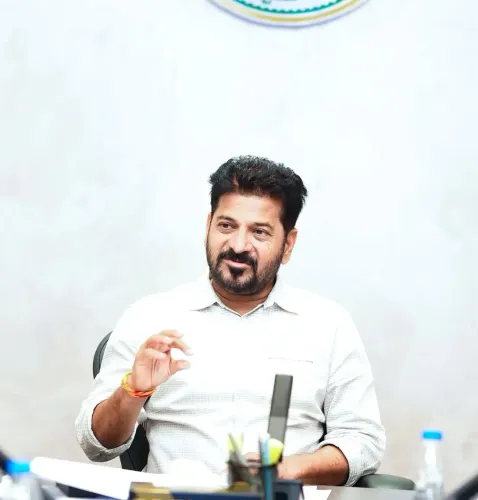
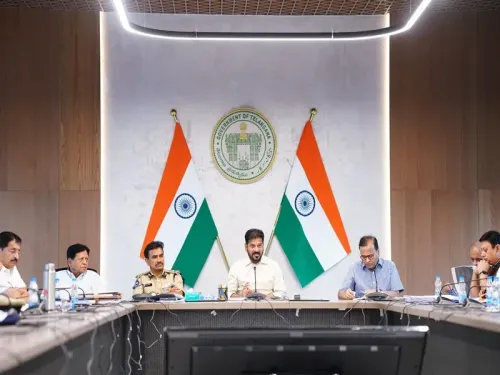
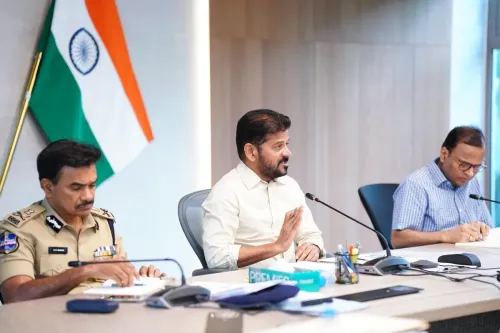
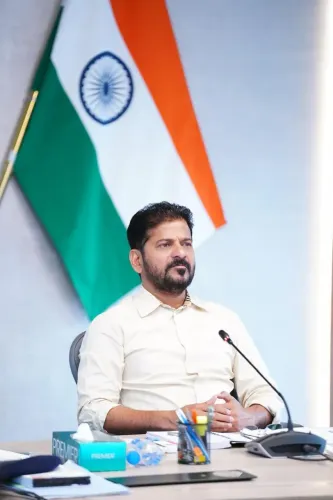
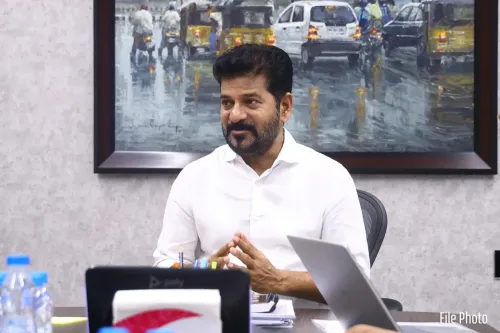
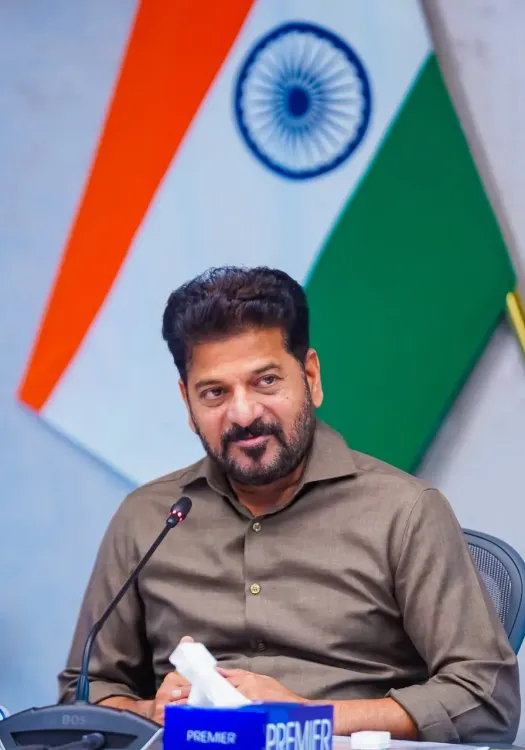
The Chief Minister's Office of Telangana announced on Friday, 24 July 2026, that Chief Minister Revanth Reddy has directed senior officials to establish a dedicated bureau for traffic management and road safety monitoring across the state. The directive came during a high-level review meeting held at the Bodhi Pavilion, MCRHRD Institute, Hyderabad.
Context
Chairing the review, CM Revanth Reddy instructed officials to conduct a comprehensive study of the existing transport system before finalising the institutional structure of the proposed bureau. The bureau, once constituted, is intended to function as a specialised body dedicated solely to traffic regulation and road safety oversight — a departure from the current model where these responsibilities are distributed across multiple departments.
The Chief Minister also mandated that high-level reviews on traffic regulation measures be conducted every two to three months, ensuring sustained policy attention rather than one-off interventions.
Policy Backdrop
Hyderabad's rapid urban expansion since Telangana's formation in 2014 has placed increasing strain on its road network. The city has previously implemented intelligent traffic signal systems under the Smart Cities Mission, launched in 2015, but congestion has continued to worsen with rising vehicle density.
CM Revanth Reddy stressed that traffic management must prioritise 'orderliness over enforcement,' and that planning must factor in weather changes, office hours, peak congestion windows, and local cultural patterns. He further emphasised that traffic flow studies must precede any new infrastructure development — not follow it.
On the Outer Ring Road (ORR), the 158-km expressway encircling Hyderabad, the Chief Minister ordered tightened accident-prevention measures and continuous surveillance to prevent vehicles from stopping arbitrarily on the carriageway.
Smart Signalling and Infrastructure Push
CM Revanth Reddy called for an in-depth study of a smart signalling system for the city, with the stated goal of achieving signal-free movement wherever feasible. He directed officials to identify locations requiring underpasses and elevated corridors to allow uninterrupted vehicular flow and reduce signal-point bottlenecks.
The approach signals a shift toward integrated urban mobility planning, where infrastructure investment decisions are preceded by data-driven traffic studies rather than reactive construction.
Stakeholders and Officials Present
The review meeting was attended by senior government advisors P. Sudarshan Reddy and K. Ramakrishna Rao, Telangana Chief Secretary Sanjay Jaju, and Director General of Police CV Anand, along with other senior officials. The presence of the DGP underscores the law-enforcement dimension of the proposed bureau, which is expected to bridge policing and urban planning functions.
Urban commuters, daily road users, and residents of the Hyderabad Metropolitan Region stand to be the primary beneficiaries if the bureau is operationalised with a clear mandate and adequate resources.
What's Next
Officials have been tasked with completing a comprehensive study of the transport system and proposing an institutional framework for the new bureau. Periodic reviews every two to three months will track progress on traffic regulation measures. The outcome of the smart signalling study and decisions on underpasses and elevated corridors are expected to shape the next phase of Hyderabad's urban mobility agenda.
The proposed bureau, if constituted with a clear legislative and administrative mandate, could mark a structural shift in how Telangana manages its roads — moving from ad hoc enforcement to institutionalised, data-led traffic governance.
Point of View
The bureau could become a model for other rapidly urbanising Indian states grappling with similar mobility crises.
NationPress
24 Jul 2026
Frequently Asked Questions
What is the new traffic bureau CM Revanth Reddy ordered for Telangana?
CM Revanth Reddy has directed officials to establish a dedicated bureau specifically for traffic management and road safety monitoring in Telangana, with a formal institutional structure to be finalised after a comprehensive transport study.
Where was the Telangana traffic review meeting held on 24 July 2026?
The review meeting was held at the Bodhi Pavilion inside the MCRHRD Institute (Dr. Marri Channa Reddy Human Resource Development Institute) in Hyderabad.
What did CM Revanth say about the Outer Ring Road?
CM Revanth Reddy ordered strengthened accident-prevention measures on the Outer Ring Road and directed continuous surveillance to stop vehicles from parking or stopping arbitrarily on the 158-km expressway.
What is Telangana's plan for smart signalling in Hyderabad?
CM Revanth Reddy has ordered a comprehensive study of smart signalling systems for Hyderabad, with a goal of signal-free movement through underpasses and elevated corridors at key congestion points.
Who attended the Telangana traffic management review meeting?
The meeting was attended by government advisors P. Sudarshan Reddy and K. Ramakrishna Rao, Chief Secretary Sanjay Jaju, DGP CV Anand, and other senior officials.