Pilot slams Modi govt over student brutality, exam corruption
Synopsis
Congress general secretary Sachin Pilot on 24 July 2026 condemned alleged brutality against students protesting exam irregularities, attacked PM Modi's credibility on youth issues, and demanded transparency and accountability in an education system he said has been hollowed out by corruption.
Key Takeaways
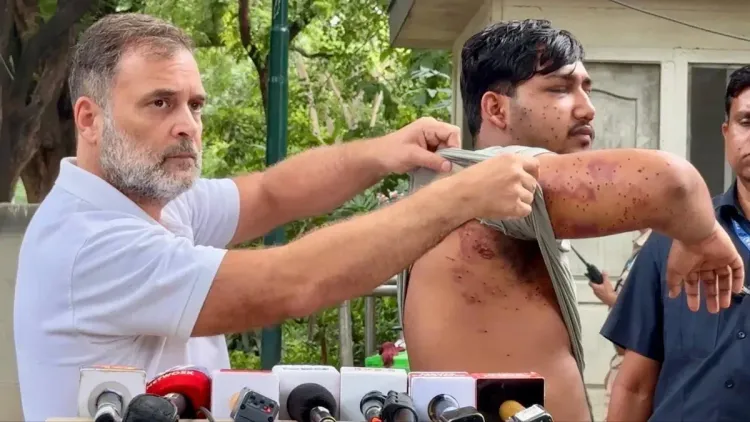
Congress leader Sachin Pilot posted on 24 July 2026 condemning alleged inhuman treatment of students, including one named Sahil , who were protesting for justice.
Pilot accused PM Narendra Modi of issuing a late-night video while youth have already 'lost trust' in the government.
He cited recurring paper leaks and examination irregularities as evidence of deep-rooted corruption in India's education system.
Pilot stated that the futures of lakhs of young Indians have been sacrificed to this systemic corruption.
He demanded transparency, accountability, and justice , rejecting assurances as insufficient at this stage.
Parliamentary debates on exam reform bills and NTA restructuring are expected to intensify in the monsoon session.
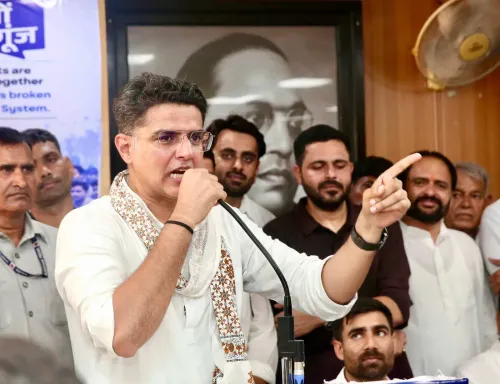
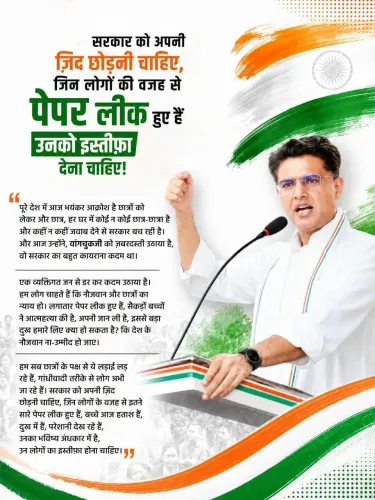
Congress leader and party general secretary Sachin Pilot on Friday, 24 July 2026, sharply condemned what he described as barbaric treatment meted out to students protesting for their rightful justice, calling the situation 'extremely saddening and shameful.' Pilot, who serves as the party's Chhattisgarh in-charge and is a former Deputy Chief Minister of Rajasthan, directed pointed criticism at the Narendra Modi-led central government over recurring examination irregularities and paper leaks that he said have shaken the foundations of India's education system.
Context
In his post, Pilot specifically referenced a student named Sahil among those who allegedly suffered 'inhuman treatment' during protests, stating that 'iss amanaviiy vyavahaar ki bharpaai kabhi nahin ho sakti' ('this inhuman treatment can never be compensated'). He also took aim at Prime Minister Modi for releasing a video late at night, arguing that such gestures ring hollow: 'The truth is that the youth have lost their trust in this government.' While the specific video and the incident involving Sahil are cited from the post itself, the broader pattern of student unrest over exam integrity has been a recurring flashpoint in Indian public life.
Policy Backdrop
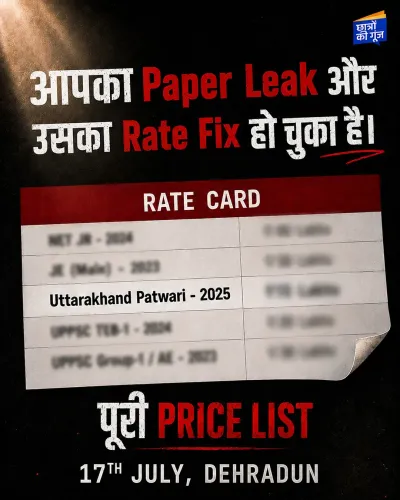
India has witnessed a string of paper leak and examination irregularity scandals over the past decade, affecting national and state-level competitive exams that millions of aspirants depend on for government jobs and professional admissions. The 2024 NEET-UG paper leak allegations were among the most high-profile, triggering nationwide student protests and demands for accountability from the National Testing Agency (NTA). Pilot's post squarely places the current episode within this pattern, asserting that 'corruption has taken deep root in the education system and the futures of lakhs of young people have been sacrificed at its altar.'
Congress and other opposition parties have consistently used such incidents to question the BJP government's commitment to protecting the interests of youth aspirants. Parliamentary debates on proposed exam reform legislation and potential restructuring of the NTA are expected to intensify during the ongoing monsoon session of Parliament.
Stakeholders and Impact
At the centre of this controversy are lakhs of students and young aspirants whose careers hinge on the integrity of national and state competitive examinations. Any compromise in the examination process — whether through paper leaks, irregularities, or alleged use of force against protesters — directly erodes the meritocratic promise that these exams are meant to uphold. Pilot's invocation of a named student, Sahil, personalises what is otherwise a systemic critique, lending a human face to the institutional failure he describes.
The political stakes are equally significant. Youth disenchantment with the ruling establishment has become a recurring theme for the opposition ahead of state and national electoral cycles. Pilot's framing — that 'time has passed and mere assurances will no longer suffice' — signals that Congress intends to press this issue beyond the news cycle, demanding 'transparency, accountability, and justice.'
What's Next
The monsoon session of Parliament is expected to see opposition benches raise the issue of exam reform and testing agency accountability through adjournment motions and zero-hour mentions. Any fresh government notification on NTA restructuring or an independent inquiry into the alleged student mistreatment could become the next flashpoint. For the ruling dispensation, the challenge will be to move beyond late-night video addresses and demonstrate concrete institutional reform — a bar that Pilot and the broader opposition are now publicly setting.
Point of View
He bridges the abstract and the visceral, a tactic that tends to resonate in social-media-driven political discourse. The timing, framed as a rebuttal to a late-night prime ministerial video, also signals that the Congress is watching the government's communication strategy closely and is prepared to contest it in real time. Longer term, this episode feeds into a broader opposition argument that institutional erosion — from exam bodies to law enforcement — has accelerated under the current dispensation, a theme likely to dominate the monsoon session.
NationPress
24 Jul 2026
Frequently Asked Questions
What did Sachin Pilot say about student protests in July 2026?
Sachin Pilot called the alleged brutality against protesting students 'extremely saddening and shameful,' stating that the inhuman treatment suffered by students including one named Sahil can never be compensated. He demanded transparency, accountability, and justice from the government.
Why are students protesting over exams in India?
Students have been protesting over recurring paper leaks and examination irregularities in national and state competitive exams. The 2024 NEET-UG paper leak was a major flashpoint, and opposition leaders like Pilot argue that corruption in the education system has destroyed the futures of lakhs of young aspirants.
What is the NEET paper leak controversy?
The NEET-UG paper leak controversy refers to allegations in 2024 that question papers for India's national medical entrance exam were leaked before the test, triggering widespread student protests and demands for a re-test and accountability from the National Testing Agency.
What is Sachin Pilot's role in the Congress party?
Sachin Pilot is a general secretary of the Indian National Congress and the party's in-charge for Chhattisgarh. He is also a former Deputy Chief Minister of Rajasthan and a prominent critic of the BJP-led central government on youth and education issues.
What reforms are expected in India's exam system?
Parliamentary debates on exam reform bills and potential restructuring of the National Testing Agency are expected during the monsoon session of Parliament, following sustained pressure from opposition parties and student groups over repeated examination irregularities.