CM Saini Attends Dada Lakhmichand Birth Anniversary in Rohtak
Synopsis
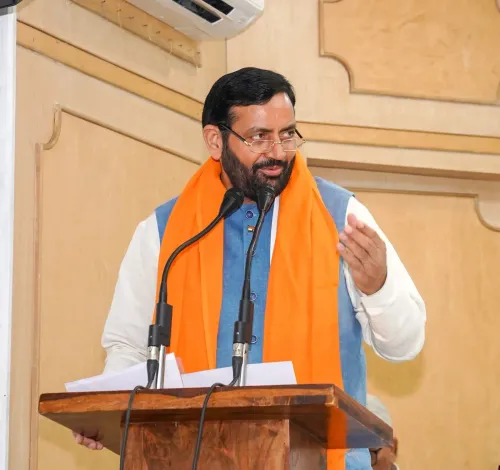
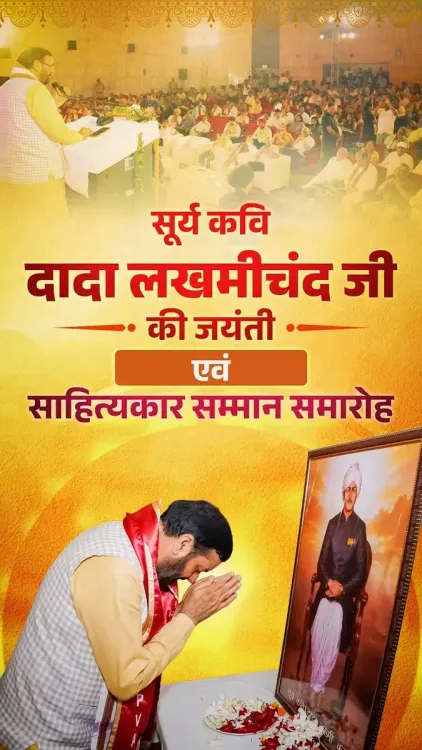
Haryana Chief Minister Nayab Singh Saini attended the birth anniversary of folk legend Dada Lakhmichand, known as 'Surya Kavi', and a literary honours ceremony in Rohtak on 24 July 2026, reaffirming the state's commitment to preserving Haryanvi folk traditions.
Key Takeaways
CM Nayab Singh Saini attended the birth anniversary event of Dada Lakhmichand in Rohtak on 24 July 2026 .
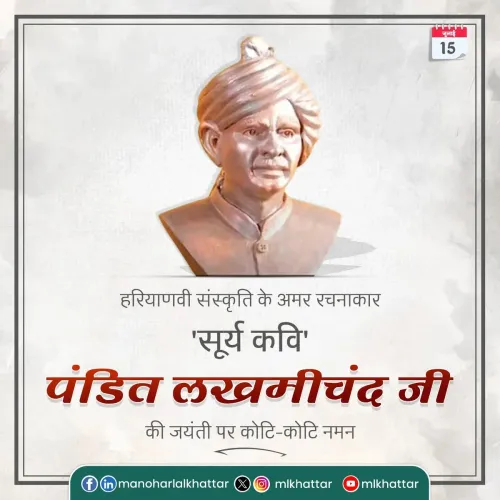
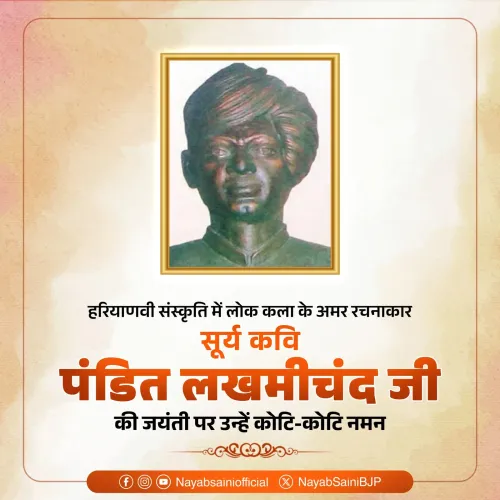
Dada Lakhmichand is honoured with the title 'Surya Kavi' (Sun Poet) for his landmark contributions to Haryanvi folk literature and ragini compositions.
The event combined a birth anniversary observance with a Sahityakar Samman Samaroh (literary honours ceremony).
The Haryana government has a consistent policy of organising state-level cultural events to mark anniversaries of regional folk poets and artists.
The ceremony reinforces Rohtak 's standing as a centre of Haryanvi arts and letters.
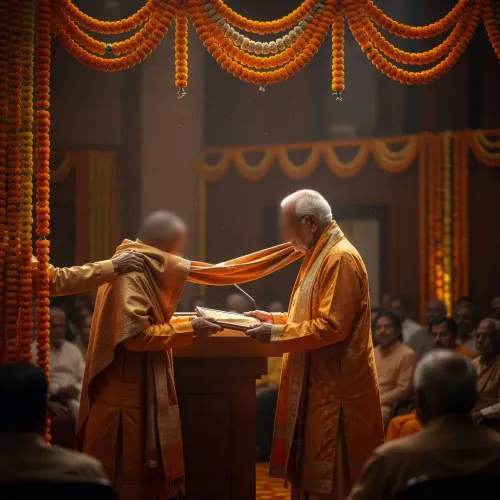
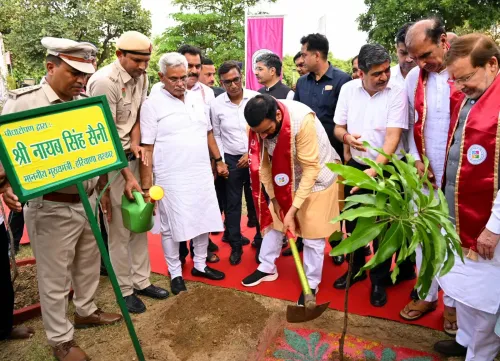
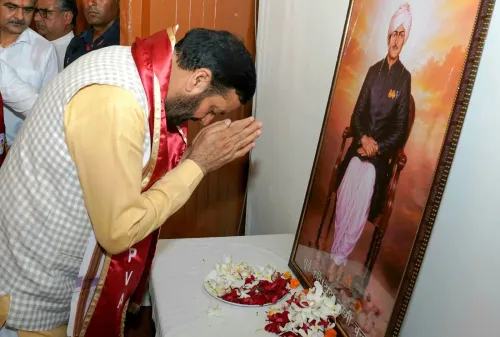
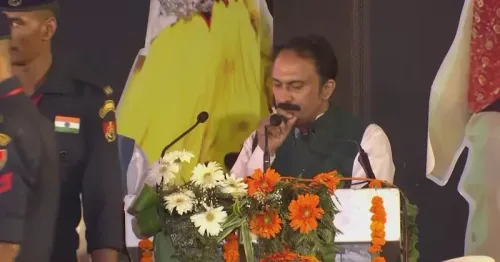
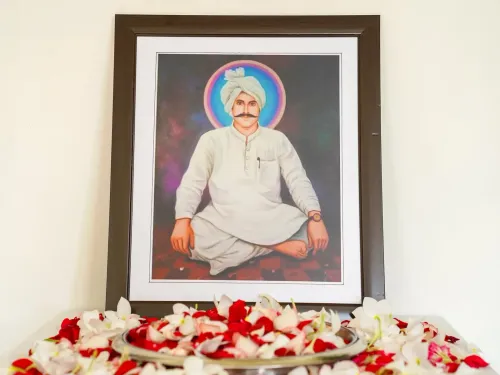
Haryana Chief Minister Nayab Singh Saini attended the birth anniversary celebration of Dada Lakhmichand — revered as 'Surya Kavi' (the Sun Poet) — alongside a literary honours ceremony held in Rohtak on Friday, 24 July 2026. The event brought together members of the Haryanvi folk and literary community to mark the occasion.
Context
Dada Lakhmichand is widely regarded as one of the most significant figures in Haryanvi folk literature. Known for his ragini compositions — a classical form of sung verse rooted in the Haryanvi oral tradition — he earned the honorific 'Surya Kavi', or Sun Poet, for the brilliance and reach of his work across the region. His compositions remain a living part of Haryanvi cultural memory, performed and recited across villages and urban centres alike.
The Rohtak ceremony combined a birth anniversary observance with a Sahityakar Samman Samaroh — a literary honour ceremony recognising contributors to Haryanvi literature and folk arts. CM Saini participated in the event, lending it official state recognition.
Policy Backdrop
The Haryana government has maintained a long-standing practice of organising state-level events to mark anniversaries of folk poets and regional artists. These ceremonies are part of broader cultural programming aimed at sustaining and documenting Haryanvi language and folk forms for successive generations.
Similar recognitions have been extended to other Haryanvi literary personalities over recent decades, reflecting a consistent policy of public commemoration for figures who shaped the region's cultural identity. The state's approach treats such events as both cultural preservation and community outreach.
Stakeholders and Impact
The Haryanvi folk arts community, regional literary figures, and scholars of oral traditions are the primary stakeholders in events of this nature. Ceremonies honouring Dada Lakhmichand carry significance beyond the ceremonial — they serve as platforms for younger artists and writers to connect with the ragini tradition and seek state-level recognition.
For Rohtak, a city with deep cultural ties to Haryanvi literary history, hosting such an event reinforces its role as a centre of regional arts and letters. The Sahityakar Samman component of the programme adds a forward-looking dimension by honouring living contributors to the tradition.
What's Next
State cultural agencies are likely to follow up with district-level literary events drawing on the momentum of such ceremonies. Observers of Haryana's cultural policy will watch for any expansion of state awards or fellowships targeting folk artists and Haryanvi language scholars in the months ahead.
The anniversary of a figure of Dada Lakhmichand's stature also typically prompts renewed academic and community interest in archiving ragini compositions and oral histories — a process that state institutions in Haryana have periodically supported.
Point of View
Sustaining institutional interest in folk arts beyond ceremonial gestures. Whether this translates into expanded funding or archival programmes for Haryanvi literature remains the key policy question to watch.
NationPress
25 Jul 2026
Frequently Asked Questions
Who is Dada Lakhmichand and why is he called Surya Kavi?
Dada Lakhmichand was a celebrated Haryanvi folk poet renowned for his ragini compositions and contributions to the oral literary tradition of Haryana. He earned the title 'Surya Kavi' — meaning Sun Poet — in recognition of the brilliance and widespread influence of his work across the region.
Where was the Dada Lakhmichand birth anniversary event held in 2026?
The birth anniversary celebration and literary honours ceremony was held in Rohtak , Haryana, on 24 July 2026 .
What is a Sahityakar Samman Samaroh?
A Sahityakar Samman Samaroh is a literary honour ceremony that recognises individuals for their contributions to regional literature and folk arts. The Rohtak event included such a ceremony alongside the birth anniversary observance of Dada Lakhmichand.
What is the Haryana government's policy on honouring folk artists?
The Haryana government has maintained a practice of organising state-level events to mark anniversaries of folk poets and regional artists, treating such ceremonies as part of cultural preservation efforts to sustain Haryanvi language and folk traditions.
What is ragini in Haryanvi folk tradition?
Ragini is a classical form of sung verse that is central to Haryanvi oral tradition. Dada Lakhmichand's ragini compositions are among the most celebrated in this genre and continue to be performed across Haryana.