Gujarat floods: AMC distributes 71,431 chlorine tablets, deploys 24x7 medical teams in Ahmedabad
Synopsis
As Gujarat rains batter Ahmedabad, the AMC has pushed out over 71,000 chlorine tablets in two days, inspected more than 46,000 houses for mosquito breeding, and treated nearly 5,000 outpatients — all while diverting floodwater into 37 lakes. The scale of the response signals how rapidly the public health risk is escalating on the ground.
Key Takeaways
AMC distributed 71,431 chlorine tablets across Ahmedabad between 23 and 24 July to prevent water-borne disease outbreaks.
1,784 chlorine tests and 175 water samples were conducted across all seven municipal zones by 1:40 pm on 24 July .
Mobile medical vans operating 24x7 provided free check-ups; Urban Health Centres recorded 4,993 outpatient visits on 23 July .
Malaria surveillance covered 46,406 houses and 1,12,670 water containers ; fogging carried out at 13,994 houses .
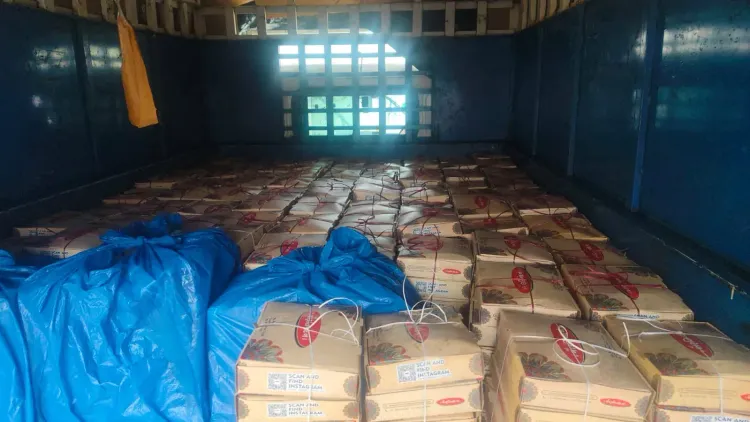
7,300 food packets distributed to flood-affected families across multiple Ahmedabad localities.
Rainwater is being diverted into 37 East Zone lakes to reduce waterlogging and replenish summer-depleted reservoirs.
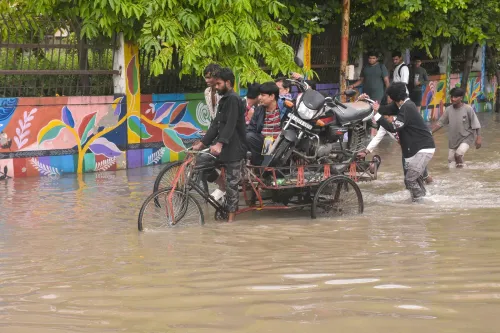
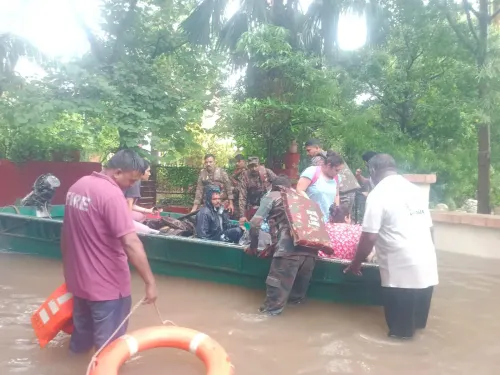
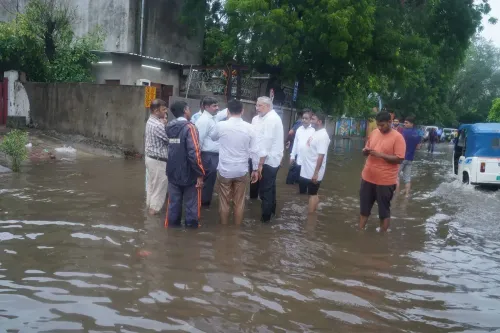
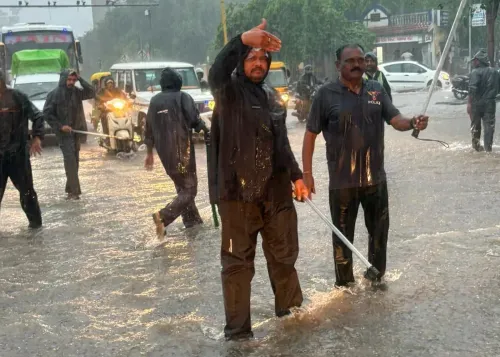
The Ahmedabad Municipal Corporation (AMC) has sharply scaled up its monsoon public health response, distributing 71,431 chlorine tablets across the city between 23 and 24 July and deploying round-the-clock mobile medical teams to guard against water-borne and vector-borne disease outbreaks triggered by heavy rainfall.
Water Quality Surveillance
As of 1:40 pm on 24 July, the AMC Health Department had conducted 1,784 chlorine tests on drinking water citywide and collected 175 water samples for laboratory analysis across all seven municipal zones. The West Zone alone accounted for 406 chlorine tests and 52 water samples — the highest among all zones for both indicators.
Of the total chlorine tablets distributed, 20,474 were handed out on 23 July and a further 50,957 by the afternoon of 24 July. The South-West Zone received the largest single-zone allocation on 24 July — 22,304 tablets — followed by 13,676 in the West Zone.
Mobile Medical Teams and Outpatient Care
AMC has deployed mobile medical vans operating 24 hours a day in rain-affected localities, providing free health check-ups, distributing medicines and offering on-site health guidance. Urban and Community Health Centres across the city recorded 4,993 outpatient consultations on 23 July alone, with the East Zone logging the highest footfall at 1,221 patients.
This comes amid a broader pattern of monsoon-driven health crises in Ahmedabad, where waterlogging historically accelerates the spread of leptospirosis, malaria, and dengue within days of sustained rainfall.
Vector Control and Malaria Surveillance
The AMC Malaria Department has expanded its surveillance operations significantly. By 1:40 pm on 24 July, officials had inspected 46,406 houses, finding 764 positive during checks. A further 1,12,670 water-holding containers were examined, of which 866 tested positive for mosquito breeding.
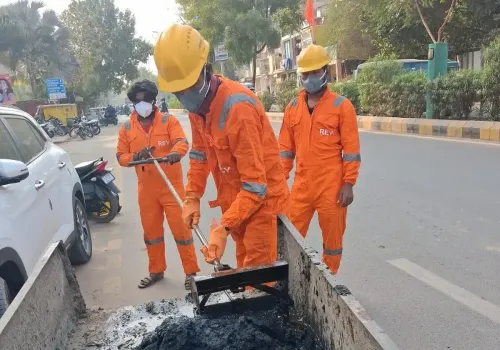
Fogging operations were carried out at 13,994 houses using 199 litres of MLO, while BTI treatment was undertaken at six locations and other vector-control measures applied at 531 locations.
Relief Distribution and Rainwater Management
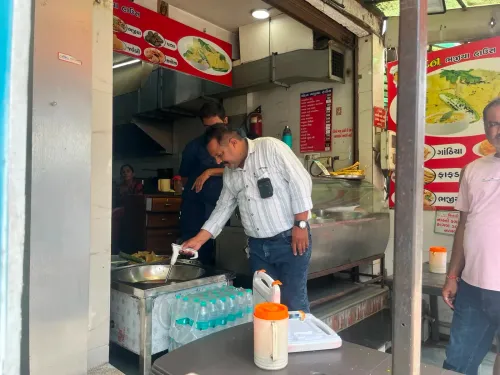
As part of flood relief, AMC distributed 7,300 food packets to rain-affected families across multiple localities, including Gota Housing, Asarwa, Madhumalati, Sarkhej, Gomtipur, and Danilimda, among others.
Notably, the civic body is simultaneously channelling excess rainwater into 37 lakes in the East Zone — including Nikol Gam Lake, Vastral Gam Lake, Gafurvasti Lake, and Odhav Gam Lake — to reduce waterlogging in surrounding areas while replenishing reservoirs that had dried up during summer.
AMC Health Committee Chairman Deepak Panchal said the corporation was 'working with the approach of making rainwater a useful resource,' adding that storing rainwater in lakes 'promotes water conservation and is a positive and significant step for the city's environment and water management.'
The Health and Malaria departments are expected to maintain full alert status across all zones through the monsoon season, with chlorine distribution, water monitoring, mobile medical services, and vector-control operations continuing without pause.
Point of View
000-plus chlorine tablets, round-the-clock medical vans, fogging at nearly 14,000 houses — but the real test is speed of delivery in the zones where disease risk is highest. With 764 houses already testing positive in malaria surveillance and 866 water containers showing mosquito breeding, the window to prevent an outbreak is narrow. The dual-use framing of floodwater as a conservation resource is pragmatic, but it should not distract from the primary accountability question: whether last-mile distribution of tablets and medical care is reaching the most waterlogged and vulnerable pockets of the city before the next heavy spell arrives.
NationPress
25 Jul 2026
Frequently Asked Questions
How many chlorine tablets has AMC distributed during the Gujarat floods?
The Ahmedabad Municipal Corporation distributed a total of 71,431 chlorine tablets between 23 and 24 July 2025 — 20,474 on 23 July and a further 50,957 by 1:40 pm on 24 July. The South-West Zone received the largest single allocation of 22,304 tablets on 24 July.
What medical services is AMC providing to flood-affected residents?
AMC has deployed mobile medical vans and health teams operating around the clock, offering free health check-ups, medicine distribution, and on-site health guidance. Urban and Community Health Centres recorded 4,993 outpatient consultations on 23 July alone.
What is AMC doing to prevent mosquito-borne diseases during the monsoon?
The AMC Malaria Department has inspected 46,406 houses and 1,12,670 water-holding containers for mosquito breeding. Fogging was carried out at 13,994 houses using 199 litres of MLO, with BTI and other vector-control treatments applied at 537 additional locations.
How is AMC managing floodwater in Ahmedabad?
AMC is diverting excess rainwater into 37 lakes in the East Zone — including Nikol Gam Lake, Vastral Gam Lake, and Odhav Gam Lake — to reduce waterlogging in surrounding areas while replenishing water bodies that had dried up during summer. Health Committee Chairman Deepak Panchal described it as 'making rainwater a useful resource.'
Who is most affected by the Ahmedabad floods and what relief has been provided?
Residents in localities including Gota Housing, Asarwa, Madhumalati, Sarkhej, Gomtipur, and Danilimda are among those affected. AMC has distributed 7,300 food packets across these and other rain-hit areas as part of immediate relief operations.