CM Revanth Reddy Launches New Balamrutham Plant for Pregnant Women

Synopsis
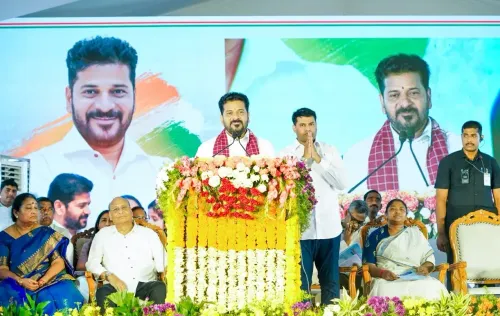
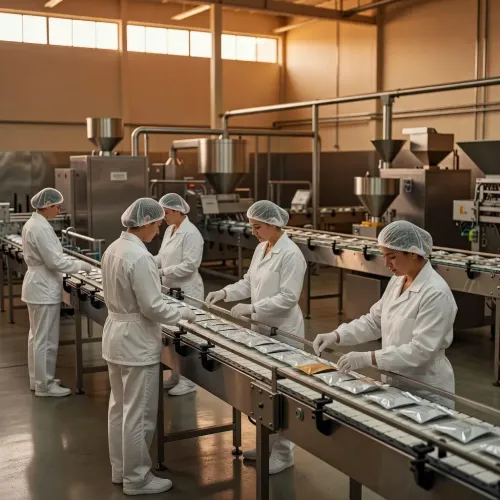
Telangana Chief Minister A. Revanth Reddy inaugurated a new Balamrutham scheme production plant on 7 July 2026, expanding the state's supplementary nutrition programme for pregnant and lactating women. He linked the scheme's roots to a Mahbubnagar initiative originally launched by former PM Indira Gandhi.
Key Takeaways
Revanth Reddy launched a new Balamrutham scheme plant on 7 July 2026 .
The Balamrutham scheme provides supplementary nutritious food to pregnant and lactating women in Telangana.
The scheme traces its origins to a nutrition programme initiated by former PM Indira Gandhi in Mahbubnagar district .
The new plant is part of the state's Praja Palana welfare agenda aimed at building a 'developed, healthy Telangana.' Primary beneficiaries include pregnant women , lactating mothers , and indirectly, young children across the state.
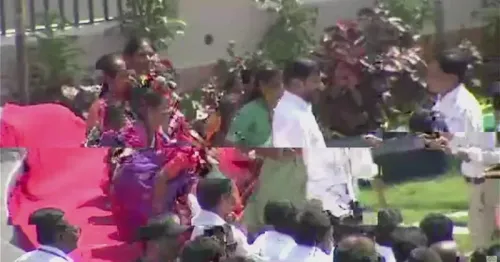
Telangana Chief Minister A. Revanth Reddy on Tuesday, 7 July 2026, inaugurated a new production plant under the Balamrutham scheme, a state welfare initiative that supplies supplementary nutritious food to pregnant and lactating women. The Chief Minister described the launch as a moment of deep personal satisfaction, linking the programme to a nutrition initiative originally started in Mahbubnagar district by former Prime Minister Indira Gandhi.
Context
Posting in Telugu on 7 July 2026, Revanth Reddy wrote that while his government implements many welfare programmes, some schemes give him particular satisfaction. He said, 'గర్భిణులకు పౌష్టికాహారం అందించే బాలామృతం పథకంలో భాగంగా ఈ రోజు కొత్త ప్లాంటును ప్రారంభించడం నాకు అటువంటి సంతృప్తిని ఇచ్చింది' — ('Inaugurating a new plant today under the Balamrutham scheme, which provides nutritious food to pregnant women, has given me that satisfaction.')
The Chief Minister also invoked the legacy of the late Indira Gandhi, noting that a great leader like her had once initiated this programme in Mahbubnagar district, and expressed happiness at seeing it grow into a well-established scheme with significant reach.
Policy Backdrop
The Balamrutham scheme is a Telangana government initiative designed to address maternal and child malnutrition by distributing supplementary nutritious food to pregnant women and lactating mothers. The programme builds on an earlier supplementary nutrition initiative that former Prime Minister Indira Gandhi had launched in Mahbubnagar district, which has since evolved into a structured state-level delivery programme.
Telangana has been scaling this model as part of its broader Praja Palana governance agenda, which encompasses multiple welfare schemes across health, nutrition, and social security. The new plant represents a capacity expansion aimed at widening the scheme's geographic and demographic reach across the state.
Stakeholders and Impact
The primary beneficiaries of the Balamrutham scheme are pregnant women and lactating mothers across Telangana, particularly in districts where maternal malnutrition remains a concern. Expanding production infrastructure is expected to improve the consistency and volume of nutritious food supply to these groups.
The scheme also has downstream benefits for young children, as improved maternal nutrition during pregnancy and the lactation period directly influences infant health outcomes. Advocates and health officials have pointed to such state-level supplementary nutrition programmes as critical tools in reducing malnutrition metrics.
What's Next
The Telangana government's stated goal is the establishment of a 'developed, healthy Telangana' — అభివృద్ధి చెందిన ఆరోగ్య తెలంగాణ — and the Chief Minister framed the new plant as 'a step toward that goal.' Attention will now turn to whether the state announces a timeline and coverage targets for additional Balamrutham production plants across other districts.
The expansion of maternal nutrition infrastructure, if sustained, could position Telangana as a reference model for other states looking to revive and scale legacy central nutrition pilots under state-owned delivery frameworks.
Point of View
Revanth Reddy is doing deliberate political work — anchoring a Congress-led state government's welfare credentials in the party's founding maternal-welfare narrative. The Balamrutham plant launch is modest in scale but carries outsized symbolic value as the Telangana Congress attempts to distinguish its governance record ahead of future electoral cycles. Framing nutrition infrastructure as a step toward 'developed, healthy Telangana' also signals an intent to compete on human development indicators, not just cash-transfer schemes. The broader pattern — states reviving and rescaling legacy central nutrition pilots — reflects a wider shift in Indian welfare politics toward ownership and visibility at the state level.
NationPress
8 Jul 2026
Frequently Asked Questions
What is the Balamrutham scheme in Telangana?
The Balamrutham scheme is a Telangana government welfare programme that supplies supplementary nutritious food to pregnant and lactating women, aimed at reducing maternal and child malnutrition across the state.
What did CM Revanth Reddy inaugurate on 7 July 2026?
Telangana Chief Minister A. Revanth Reddy inaugurated a new Balamrutham scheme production plant on 7 July 2026, expanding the state's capacity to deliver nutritious food to pregnant women.
What is the connection between Indira Gandhi and the Balamrutham scheme?
Former Prime Minister Indira Gandhi had launched an early supplementary nutrition initiative in Mahbubnagar district, which is recognised as a precursor to the current Balamrutham scheme in Telangana.
Who benefits from the Balamrutham scheme?
The primary beneficiaries are pregnant women and lactating mothers in Telangana, with indirect benefits for young children through improved maternal nutrition during pregnancy and breastfeeding.
What is Praja Palana in Telangana?
Praja Palana is the governance and welfare agenda of the Telangana Congress government led by Chief Minister A. Revanth Reddy, encompassing multiple social welfare, health, and public service schemes.