CM Revanth Reddy opens girls' high school in Kothakota
Synopsis
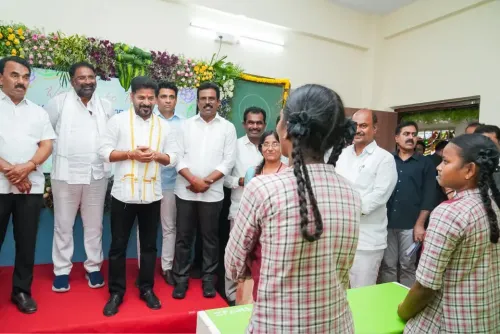
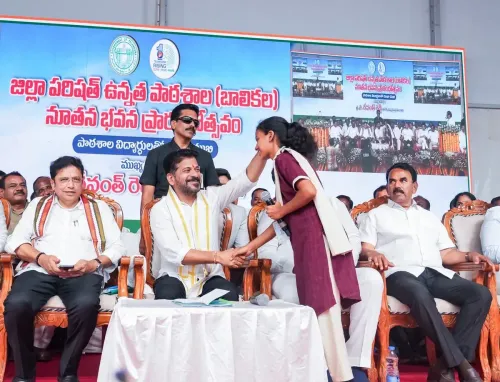
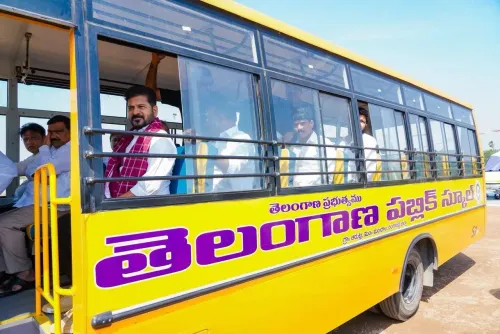
Telangana Chief Minister A. Revanth Reddy inaugurated a girls' higher secondary school building in Kothakota in the Palamuru region on 16 July 2026, pledging that his government would spare no expense to provide facilities enabling girls from the historically under-served district to excel and make the world proud.
Key Takeaways
Revanth Reddy inaugurated a girls' higher secondary school building in Kothakota , Palamuru, on 16 July 2026 .
The Chief Minister pledged the government would spend 'whatever it takes' to provide world-class facilities for girls in the Palamuru region.
The initiative is part of the Telangana Congress government's manifesto commitment to girls' education and women's welfare since coming to power in December 2023 .
Palamuru (erstwhile Mahbubnagar district) has historically faced rural development and education access challenges, making targeted infrastructure investment significant.
The government frames girls' education as central to Telangana's reconstruction , with a goal that every girl child becomes a partner in state development.
State budget allocations and district-level enrolment data in the coming fiscal cycle will be key indicators of the policy's real-world impact.
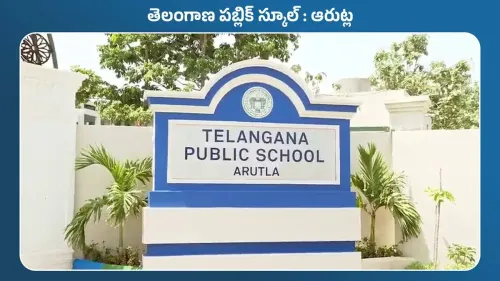
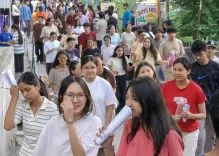
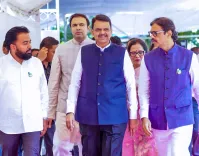
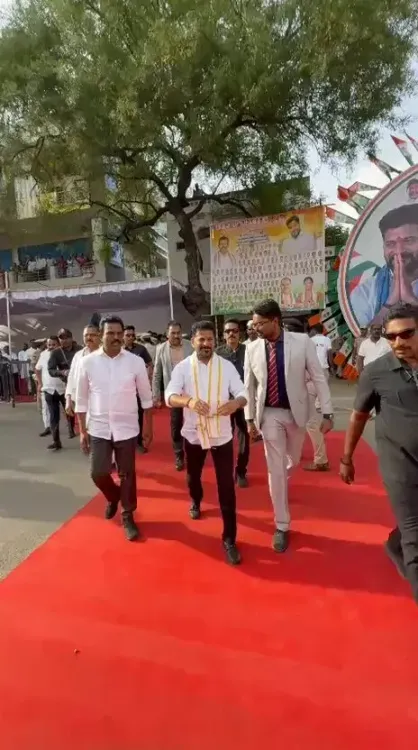
Telangana Chief Minister A. Revanth Reddy on Thursday, 16 July 2026, inaugurated a girls' higher secondary school building in Kothakota, Palamuru region, reaffirming his government's commitment to expanding educational infrastructure for girls across the state.
Context
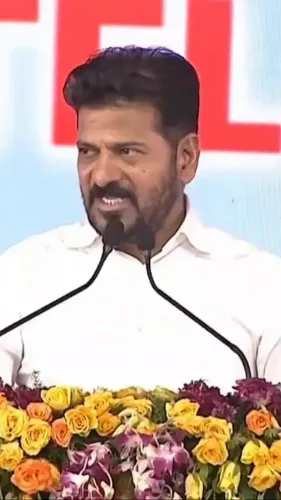
Posting in Telugu on X, CM Revanth Reddy described education as the foundation of self-respect, the determinant of the future, and the path to development — 'ఆత్మ గౌరవాన్ని నిలిపేది.. భవిష్యత్తును నిర్ణయించేది… అభివృద్ధికి బాటలు వేసేది' ('that which upholds self-respect, that which determines the future, that which paves the way for development'). He expressed that the inauguration of the school building brought him immense joy, and pledged that the government would spend whatever it takes to provide facilities for girls of Palamuru to grow and make the world proud.
The Chief Minister framed the initiative around a broader aspiration: that every girl child should be educated and become a partner in the reconstruction of Telangana. The post was accompanied by a video, underscoring the on-ground nature of the event.
Policy Backdrop
The Congress government that came to power in December 2023 under Revanth Reddy had outlined girls' education and women's welfare as central manifesto commitments. The Kothakota inauguration is a visible delivery on those pledges, channelling state resources into secondary school infrastructure in a region that has historically faced rural development challenges.
Palamuru — the colloquial name for the erstwhile Mahbubnagar district in southern Telangana — has long been associated with migration, agrarian distress, and limited access to quality education, particularly for girls. Since Telangana's formation in 2014, successive administrations have expanded school infrastructure and targeted schemes to raise female literacy and enrolment in rural areas; the current government is continuing and deepening that trajectory.
Stakeholders and Impact
The most direct beneficiaries are girl students in and around Kothakota and their families, who gain access to a dedicated higher secondary facility closer to home — reducing dropout risk and commute barriers that disproportionately affect girls in rural Telangana. Broader women-empowerment goals are also at stake: secondary education for girls is widely regarded as a lever for delayed marriage, improved maternal health outcomes, and greater workforce participation.
The initiative fits a wider southern Indian pattern of state-led investment in girls' secondary education as a long-term human capital strategy. For the Telangana Pradesh Congress Committee, of which Revanth Reddy is also president, such ground-level infrastructure launches carry political resonance in a district bloc that has been electorally significant.
What's Next
Attention will now turn to state budget allocations for school infrastructure in the upcoming fiscal cycle, and to enrolment and retention data for girls in Palamuru and comparable districts. The government's stated willingness to spend 'whatever it takes' on facilities will be tested by the scale of the infrastructure gap that remains across rural Telangana. How quickly similar projects are rolled out in other under-served pockets of the state will be the real measure of the policy's reach.
Point of View
Revanth Reddy is simultaneously addressing a genuine infrastructure deficit and reinforcing the Congress narrative of inclusive development ahead of future electoral cycles. Palamuru's historical association with migration and neglect makes it a high-visibility canvas for such interventions. Whether this translates into sustained enrolment gains and reduced dropout rates for girls will depend on complementary investments in teachers, transport, and hostel facilities — the harder, less photogenic work that follows ribbon-cutting.
NationPress
16 Jul 2026
Frequently Asked Questions
What school did CM Revanth Reddy inaugurate in Palamuru?
CM A. Revanth Reddy inaugurated a girls' higher secondary school building in Kothakota, located in the Palamuru region of Telangana, on 16 July 2026.
Where is Palamuru and why is it significant for education?
Palamuru is the colloquial name for the erstwhile Mahbubnagar district in southern Telangana. It has historically faced rural development challenges including limited access to quality education for girls, making infrastructure investment there particularly impactful.
What is Telangana government's policy on girls' education?
The Telangana Congress government, led by CM Revanth Reddy since December 2023, has prioritised girls' education and women's welfare as core manifesto commitments, channelling state funds into school infrastructure across rural areas.
What did CM Revanth Reddy say about spending on girls' education?
Revanth Reddy pledged that the government would spend 'whatever it takes' to provide the facilities necessary for girls of Palamuru to grow and make the world proud.
How does this school fit into Telangana's broader development goals?
The Chief Minister framed girls' education as foundational to Telangana's reconstruction, stating that every girl child should be educated and become a partner in the state's development — linking school infrastructure to long-term human capital and women's empowerment goals.