CM Revanth Reddy Orders Nursery-to-Class 12 Reform in Telangana
Synopsis
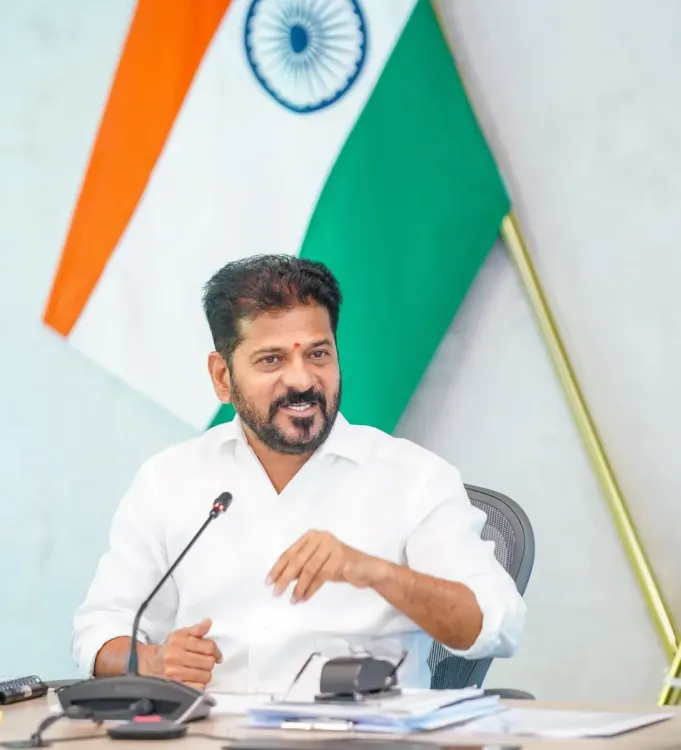
Chief Minister Revanth Reddy chaired a high-level education review in Hyderabad on November 11, directing officials to implement a nursery-to-Class 12 school structure from next year, end residential schools in rented buildings, speed up YIIRS construction, and fast-track university faculty recruitment.
Key Takeaways
Telangana will implement a Nursery-to-Class 12 continuous school framework from the next academic year, divided into Primary (N–4), Secondary (5–8), and Senior Secondary (9–12) stages.
CM Revanth Reddy highlighted that most post-Class 10 dropouts are girls and children from Dalit, tribal, and minority communities ; the reform directly targets this gap.
18 states in India already run Class 12-level school systems; Telangana's move brings it in line with the national mainstream.
Welfare hostels and residential schools are barred from operating in rented buildings ; dedicated, fully-equipped campuses will be constructed with state funding.
Construction of YIIRS schools is to be accelerated; CURE programme school progress was reviewed and approved, with gaps to be addressed immediately.
University faculty recruitment — Assistant and Associate Professors — is to be expedited , with Vice Chancellors and the Higher Education Council Chair held personally accountable.
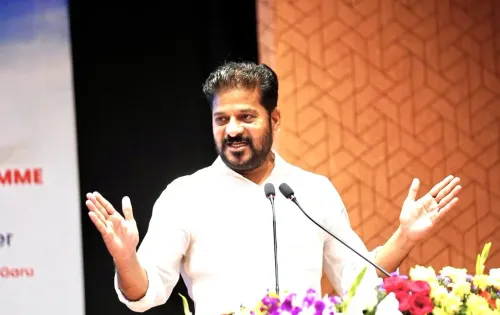
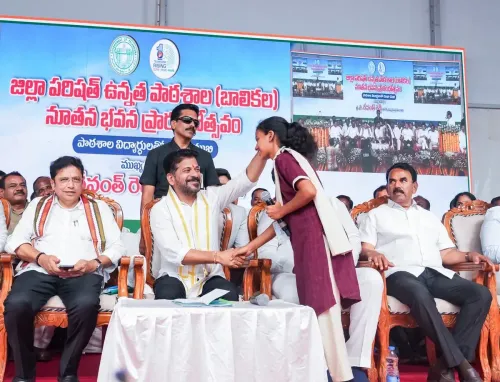
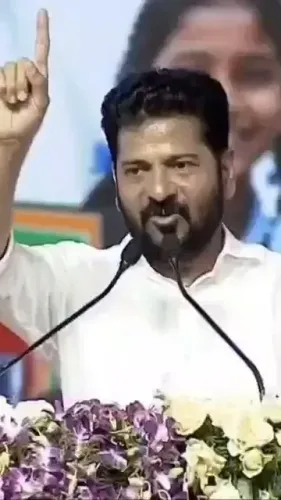
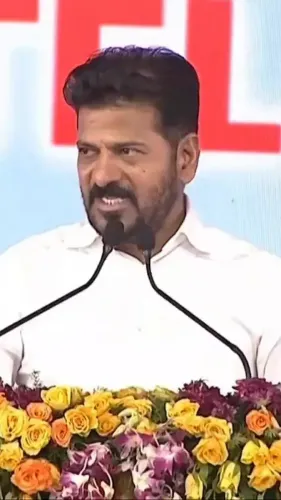
A sweeping restructuring of Telangana's school system — one that would keep students in a continuous learning framework from nursery through Class 12 — moved from proposal to directive on Wednesday, November 11, 2026, as Chief Minister Revanth Reddy convened a high-level review of the state's education department at MCRHRD Institute, Hyderabad, and instructed officials to roll out the new framework from the next academic year.
A three-tier school ladder to replace the old structure
The Chief Minister's Office of Telangana announced that the new framework will divide schooling into three distinct phases: Nursery to Class 4 as Primary, Classes 5 to 8 as Secondary, and Classes 9 to 12 as Senior Secondary. Through all twelve years, students will be equipped with language and communication skills; only after Class 12 will they be free to specialise in subjects of their choice. The structure aligns closely with the spirit of the National Education Policy 2020, which recommended cognitive-stage-based restructuring and 21st-century skill integration across Indian states.
Revanth Reddy pointed to a stark pattern that the reform is designed to break: a large share of students — disproportionately girls and children from Dalit, tribal, and minority communities — are dropping out after Class 10. He contrasted this with the notably lower attrition rates inside Kendriya Vidyalayas, Navodaya Vidyalayas, and Kasturba Gandhi Balika Vidyalayas, all of which already run a continuous programme through Class 12. 18 states across India operate under this extended structure, the CM noted, making Telangana's move a catch-up with established national practice.
Residential schools, YIIRS, and CURE — no more rented buildings
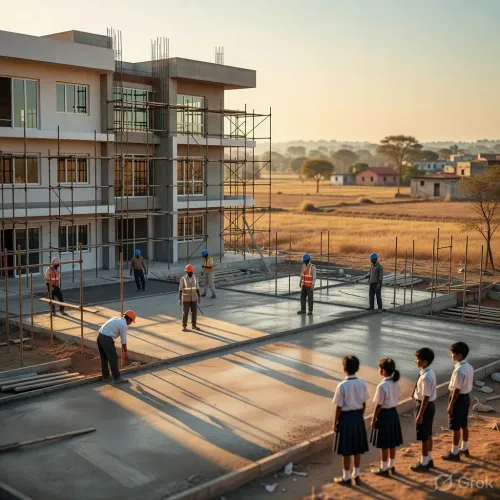
The review went beyond curriculum design. Revanth Reddy issued an unambiguous order: welfare hostels and residential schools in Telangana will not be permitted to continue in rented buildings under any circumstances. Officials were directed to draw up an action plan for constructing purpose-built, fully-equipped campuses, with the government committing to release the necessary funds.
Progress on Young India Integrated Residential Schools (#YIIRS) was reviewed separately, with engineering officers instructed to accelerate construction and meet their prescribed deadlines. Schools being built under the #CURE programme drew an expression of satisfaction from the CM, though he directed officials to identify any remaining locations that still need construction and attend to them immediately.
ITIs, polytechnics, and university hiring in the same review
The session ranged across the full education pipeline. The CM noted that upgrading Industrial Training Institutes (ITIs) to Advanced Training Centres (ATCs) has already raised enrolment and delivered jobs to every trainee who passed through the upgraded facilities. He ordered that funding for polytechnic upgrades be disbursed faster.
At the university level, Revanth Reddy told officials to accelerate the recruitment of Assistant Professors, Associate Professors, and other faculty, insisting that appointment norms be followed strictly. He singled out the Higher Education Council Chairman, Professor V. Balakishtareddy, and Vice Chancellors — including Professor Molugaram Kumar of Osmania University and Professor Ghanta Chakrapani of BR Ambedkar Open University — as personally responsible for oversight of the process. Junior college lecturers and non-teaching staff were given an assurance that their retirement benefits will not be disrupted by the structural changes.
The review was attended by government advisors Keshavarao and P. Sudarshan Reddy, MP Vem Narender Reddy, Telangana Chief Secretary Sanjay Jaju, and senior education department officials.
Telangana has drawn the blueprint; the question is whether the construction cranes, the university hiring committees, and the academic calendar can all move in time for the next school year. The students waiting in the gaps cannot afford another delay.
Point of View
Using dropout data among marginalised communities as political and policy justification simultaneously. The pairing of curriculum reform with hard infrastructure directives — no more rented residential school buildings — signals an attempt to convert aspirational policy into measurable ground reality, a gap that has historically undermined education announcements in the state. Accelerating faculty recruitment at universities in the same review suggests the government is trying to present the full pipeline, from nursery to university, as a single reform narrative. How rigorously the construction and hiring timelines are enforced will determine whether this review is remembered as a turning point or another well-attended meeting.
NationPress
11 Nov 2026
Frequently Asked Questions
What is the new school education structure announced in Telangana?
Telangana will restructure schooling into three stages: Primary (Nursery to Class 4), Secondary (Classes 5 to 8), and Senior Secondary (Classes 9 to 12), with the system running continuously through Class 12 starting from the next academic year.
Why is Telangana extending school education to Class 12?
CM Revanth Reddy cited high dropout rates after Class 10, particularly among girls and children from Dalit, tribal, and minority communities. Schools that already continue to Class 12, such as Kendriya and Navodaya Vidyalayas, show significantly lower dropout numbers.
What will happen to junior college lecturers under the new Telangana education reform?
CM Revanth Reddy assured that the retirement and service benefits of lecturers and non-teaching staff in junior colleges will not be affected by the structural changes.
What are YIIRS schools in Telangana?
YIIRS stands for Young India Integrated Residential Schools, a programme under which new residential school campuses are being constructed in Telangana. The CM reviewed construction progress and directed engineering officers to accelerate work and meet deadlines.
How many Indian states already have a Class 12-level school structure?
According to CM Revanth Reddy's review, 18 states in India already implement a school education system that runs continuously through Class 12.