CM Yogi's UP Puts 44,000 Women in Police Uniform
Synopsis
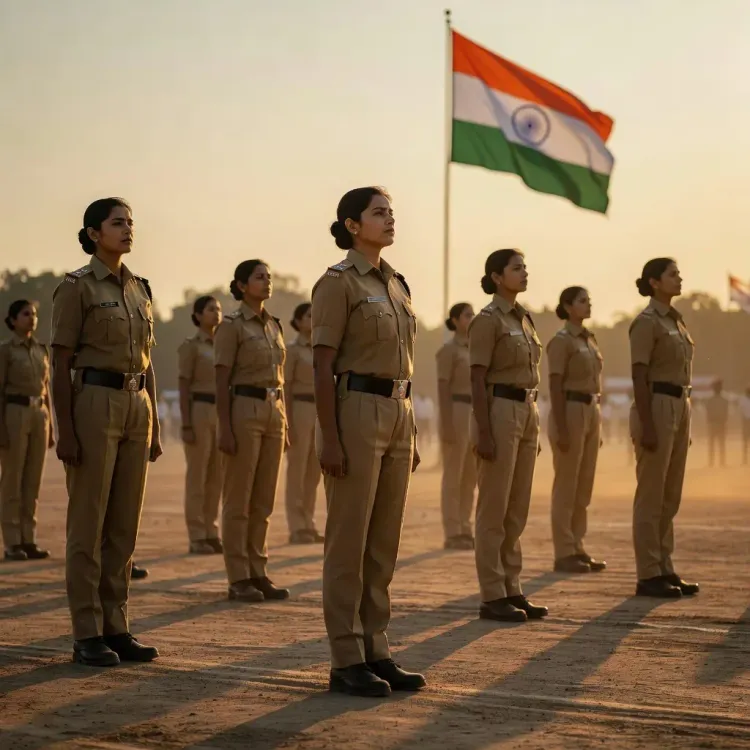
Uttar Pradesh now fields over 44,000 women in its police force under a 20% recruitment quota, operates an AI Safe City network and integrated 1090-112 helpline, has named three new women PAC battalions after 1857 warriors, and offers free UPSRTC travel to women aged 60-plus.
Key Takeaways
44,000-plus women currently serve in the Uttar Pradesh Police force.
A 20% reservation for women is mandated across all state police recruitment rounds.
AI-based Safe City networks and an integrated 1090-112 emergency response system are operational across UP's cities.
Three new women's PAC battalions have been named after Dalit and OBC women warriors of the 1857 revolt: Uda Devi Pasi (Lucknow), Jhalkari Bai Kori (Gorakhpur), and Rani Avantibai Lodhi (Badaun).
Under the 'Lokamata Ahilyabai Matrishakti Yatra Yojana' , women aged 60 and above get free travel on ordinary UPSRTC buses.
The measures form part of Mission Shakti , the state's overarching women's empowerment programme running since 2017 .
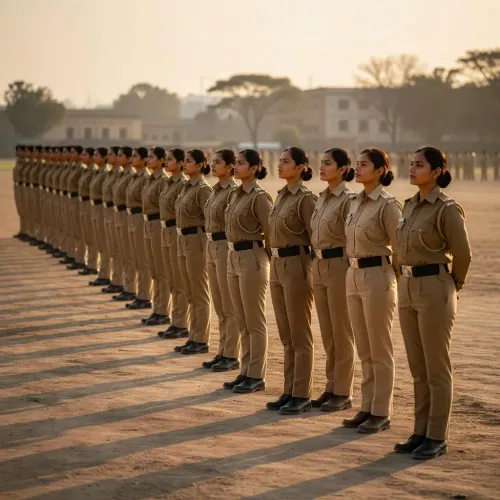
More than 44,000 women now serve in the Uttar Pradesh Police — a number the Chief Minister's Office of Uttar Pradesh placed front and centre on Wednesday, 11 November 2026, as it laid out the full sweep of the state's women's empowerment agenda under Chief Minister Yogi Adityanath. From reserved slots in recruitment to AI-powered city surveillance, the picture it painted was of a state systematically rebuilding its safety and welfare architecture around matrishakti — the power of women.
A 20% Quota and What It Means on the Ground
The headline policy is a 20 per cent reservation for women in all police recruitment — a mandate that, compounded over several years of hiring cycles, has pushed the female headcount in the force past 44,000. That figure matters: a larger share of women in uniform directly shapes how distress calls are received, how survivors of violence are handled, and how safe public spaces feel to half the population.
Layered on top of that is an integrated emergency architecture. The 1090 women's helpline — UP's dedicated distress line — now runs in a merged response loop with the universal emergency number 112, so a single call or alert can mobilise the nearest unit without handoffs. AI-based Safe City networks are operational across urban centres, working alongside Mission Shakti support centres embedded in each town.
Three New PAC Battalions Named for 1857's Women Warriors
Perhaps the most striking announcement is structural and symbolic at once. The state has raised three new women's PAC (Provincial Armed Constabulary) battalions, each named for a warrior from the 1857 uprising who has been largely absent from mainstream historical memory.
Veerangana Uda Devi Pasi — a Dalit woman from the Lucknow region who climbed a peepal tree and held off British soldiers before being killed — lends her name to the battalion raised in Lucknow. Veerangana Jhalkari Bai Kori, from the Kori weaver community who served in Rani Lakshmibai's personal guard, is honoured through the Gorakhpur unit. And Veerangana Rani Avantibai Lodhi — the Lodhi queen of Ramgarh who led an armed guerrilla campaign against British annexation — names the battalion in Badaun. Each choice is deliberate: all three women come from communities at the margins of caste hierarchy, and their elevation to the names of armed state units carries unmistakable political and social intent.
'Lokamata Ahilyabai' Scheme Gives Older Women Free Bus Travel
Away from policing, the 'Lokamata Ahilyabai Matrishakti Yatra Yojana' offers a quieter but concrete benefit: women aged 60 and above now travel free on ordinary UPSRTC buses across the state. Named for the 18th-century Maratha ruler-administrator Ahilyabai Holkar — herself a symbol of benevolent governance — the scheme addresses the mobility gap that often confines older women to their immediate neighbourhoods, cutting them off from healthcare, family, and civic life.
Taken together, the announcements trace a consistent arc: build safety infrastructure, increase women's presence in enforcement, honour erased histories, and reduce the daily friction older women face. Uttar Pradesh, with a population larger than Brazil, is a state where these policy choices ripple at scale. The question now is whether recruitment pipelines and Safe City networks are delivering outcomes on the ground — and those numbers will be the real scorecard.
Point of View
Kori, and Lodhi communities. The 20% police quota, if consistently enforced across recruitment cycles, could meaningfully shift the gender composition of one of India's largest state forces over the next decade. However, the gap between announced infrastructure and verified outcomes — especially for AI Safe City networks and helpline response times — remains the critical policy variable that will determine whether these measures translate into lived safety improvements for UP's women.
NationPress
11 Nov 2026
Frequently Asked Questions
How many women are in the Uttar Pradesh Police in 2026?
According to the Chief Minister's Office of Uttar Pradesh, more than 44,000 women are currently serving in the state police force.
What is the women's reservation in UP Police recruitment?
The Uttar Pradesh government has mandated a 20% reservation for women in all state police recruitment processes.
What is Mission Shakti in Uttar Pradesh?
Mission Shakti is a Uttar Pradesh government programme launched in 2017 that provides dedicated support centres for women's safety, runs anti-crime drives, and integrates with helplines and Safe City infrastructure.
Which women PAC battalions have been formed in Uttar Pradesh?
Three women's PAC battalions have been raised: Veerangana Uda Devi Pasi in Lucknow, Veerangana Jhalkari Bai Kori in Gorakhpur, and Veerangana Rani Avantibai Lodhi in Badaun — all named after women warriors of the 1857 uprising.
What is the Lokamata Ahilyabai Matrishakti Yatra Yojana?
It is a UP state scheme under which women aged 60 years and above receive free travel on ordinary UPSRTC (state roadways) buses, named after the 18th-century ruler Ahilyabai Holkar.