CM Office: PM-KISAN running successfully in Uttarakhand
Synopsis
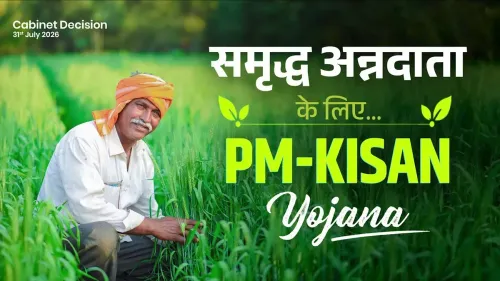
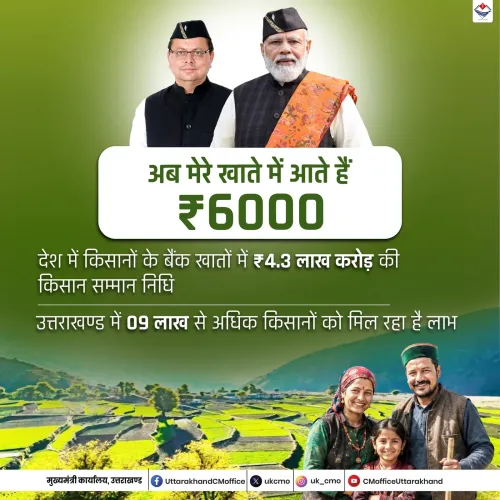
The Chief Minister's Office of Uttarakhand has spotlighted the successful rollout of PM-KISAN in the state, with Chamoli district specifically highlighted. The central scheme provides ₹6,000 annual direct income support to eligible farmer families in three installments via DBT.
Key Takeaways
The Chief Minister's Office of Uttarakhand posted on 11 November 2026 highlighting PM-KISAN's successful operation in the state.
PM-KISAN was launched by the Government of India in February 2019 , providing ₹6,000 per year to eligible landholding farmer families.
The annual support is disbursed in three installments of ₹2,000 each via Direct Benefit Transfer directly to bank accounts.
Chamoli district in the Garhwal Himalayas was specifically mentioned, indicating district-level tracking of scheme implementation.
Uttarakhand's largely small and marginal farming population stands to benefit from reliable, timely DBT transfers under the scheme.
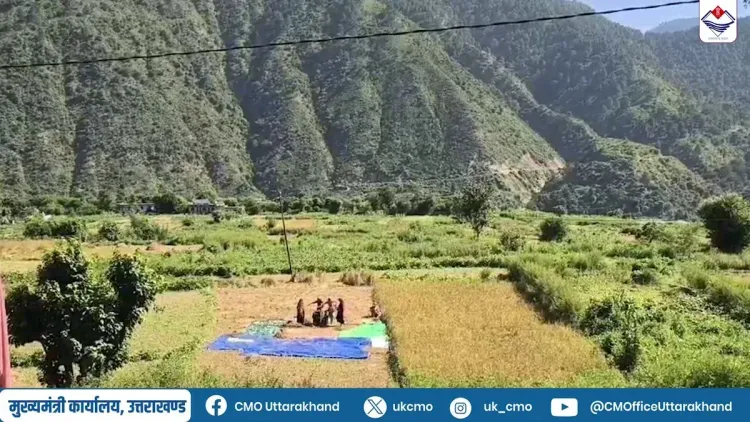
Farmers in the hills are receiving their due. The Chief Minister's Office of Uttarakhand highlighted on Wednesday, 11 November 2026 that the Pradhan Mantri Kisan Samman Nidhi (PM-KISAN) scheme is being successfully operated across the state, with a specific mention of Chamoli district as a focal point of implementation.
What PM-KISAN delivers to Uttarakhand's farmers
Launched nationwide by the Government of India in February 2019, PM-KISAN is a central sector scheme that provides eligible landholding farmer families a direct income support of ₹6,000 per year, transferred in three equal installments of ₹2,000 directly to bank accounts via the Direct Benefit Transfer (DBT) mechanism. No middlemen. No delays in the chain — at least in design.
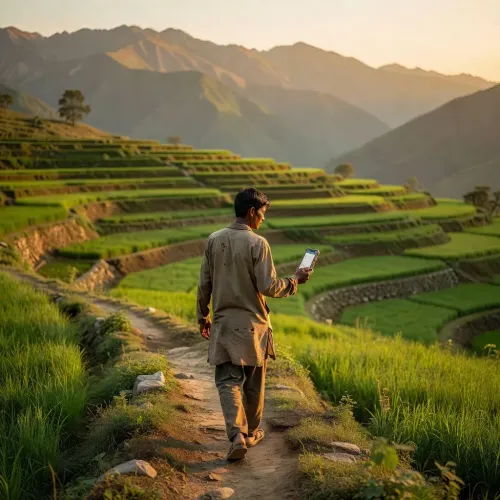
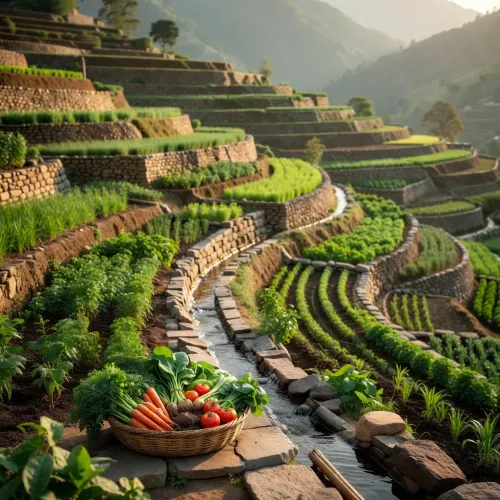
Uttarakhand's agricultural landscape is dominated by small and marginal farmers, many cultivating terraced hillside plots and dependent on horticulture and subsistence farming. For this demographic, a guaranteed ₹6,000 annual floor is not a windfall — but it is a reliable, non-negotiable input-cost cushion each year.
Chamoli in focus
Chamoli, a high-altitude district bordering Tibet in the Garhwal Himalayas, represents precisely the kind of geography where central welfare delivery has historically been patchy. Its mention in the post signals that the state machinery is tracking implementation at the district level — a routine but necessary exercise in beneficiary verification, registration updates, and grievance redressal that keeps DBT pipelines clean.
Uttarakhand, like every other participating state, is responsible for farmer registration on the PM-KISAN portal, Aadhaar seeding, and weeding out ineligible claimants — a periodic housekeeping task that directly determines how many families actually receive each installment.
State amplification of a national scheme
The CMO's post is part of a standard pattern: state governments amplifying central welfare schemes to signal effective governance on the ground. The substance, however, is real — periodic state-level communication reminds eligible farmers to check their registration status and update bank or Aadhaar details before the next installment cycle. Missing that window means missing a transfer.
With the next PM-KISAN installment cycle always on the horizon, Uttarakhand farmers — particularly in remote districts like Chamoli — would do well to verify their beneficiary status on the PM-KISAN portal now, rather than after the disbursement deadline has passed.
Point of View
But its frequency reflects a genuine political calculus: farmer welfare visibility is non-negotiable in a state where agriculture — however modest in scale — underpins rural livelihoods. Uttarakhand's focus on Chamoli is notable because remote, high-altitude districts have historically seen higher rates of DBT failure due to Aadhaar-bank linkage gaps. If the state is actively communicating at the district level, it may be responding to registration or verification backlogs ahead of an upcoming installment. The broader arc here is the Centre-state coordination model for social welfare delivery — where state machinery is the last mile, and that last mile is everything.
NationPress
11 Nov 2026
Frequently Asked Questions
What is PM-KISAN and who is eligible in Uttarakhand?
PM-KISAN (Pradhan Mantri Kisan Samman Nidhi) is a central government scheme launched in February 2019 that provides ₹6,000 per year in direct income support to eligible landholding farmer families across India, including Uttarakhand, in three installments of ₹2,000 each.
How much money do farmers get under PM-KISAN?
Eligible farmer families receive ₹6,000 per year, paid in three installments of ₹2,000 each, directly transferred to their bank accounts via DBT.
How do Uttarakhand farmers register for PM-KISAN?
Farmers in Uttarakhand can register on the official PM-KISAN portal by linking their Aadhaar number and bank account details. State-level Common Service Centres also assist with registration and grievance redressal.
Why was Chamoli district specifically mentioned in the PM-KISAN update?
The Chief Minister's Office of Uttarakhand highlighted Chamoli district as part of state-level communication about PM-KISAN implementation, signalling district-level monitoring of beneficiary registration and DBT transfers in a remote high-altitude area.
When is the next PM-KISAN installment for Uttarakhand farmers?
The exact date of the next installment has not been specified in the post. Farmers are advised to check their beneficiary status on the PM-KISAN portal to ensure their Aadhaar and bank details are updated before the next disbursement cycle.