Kashipur & Rudrapur Win Top Sanitation Awards at Swachhata Survey 2025-26
Synopsis
Kashipur and Rudrapur received first prizes for urban sanitation and waste management at a Swachhata Survekshan 2025-26 event in New Delhi, with senior municipal officials from Uttarakhand in attendance for discussions on SBM 2.0 goals and citizen participation.
Key Takeaways
Kashipur and Rudrapur were awarded first prizes for urban sanitation and local body performance under Swachhata Survekshan 2025-26 in New Delhi.
The Ministry of Housing and Urban Affairs organised the event, recognising Uttarakhand's progress in cleanliness management.
Senior officials present included both city mayors, the Urban Development Department Director, municipal commissioners, and the Swachh Bharat Mission 2.0 state mission manager.
The programme centred on four pillars: strengthening sanitation, improving infrastructure, effective waste management, and driving public participation.
Swachh Survekshan rankings have been held annually since 2016 to create competitive performance pressure on urban local bodies nationwide.
Final 2025-26 all-India rankings and potential SBM 2.0 funding decisions remain to be announced.
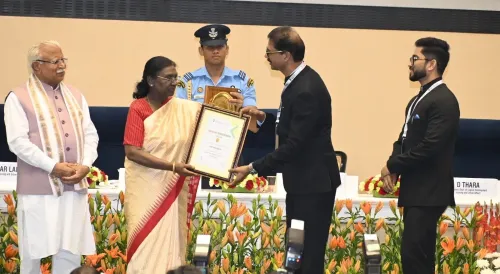
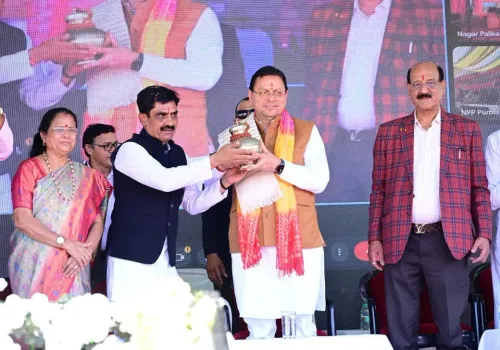
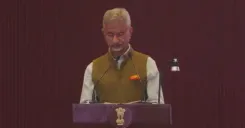
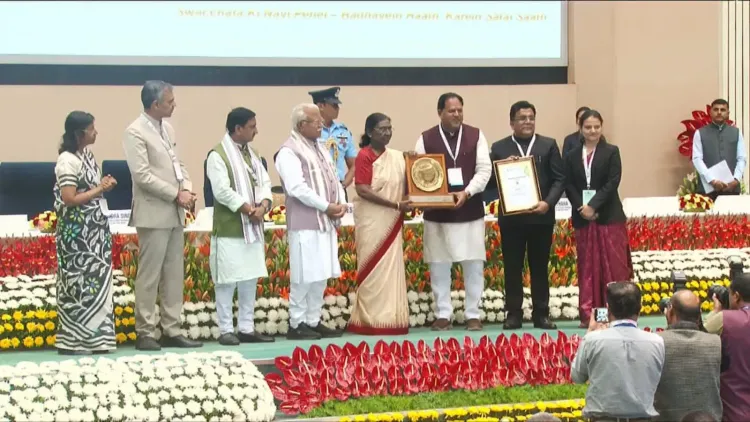
Two cities from Uttarakhand just punched their weight on a national stage. Kashipur and Rudrapur were awarded first prizes for urban sanitation, cleanliness management, and urban local body performance at an event held in New Delhi under the Swachhata Survekshan 2025-26 framework — recognition handed out by the Ministry of Housing and Urban Affairs at a ceremony on Wednesday, November 11, 2026, as confirmed by the Chief Minister's Office of Uttarakhand.
Who Stood on the Podium — and Who Showed Up
The delegation from Uttarakhand that travelled to New Delhi for the event was a full house of civic leadership. Kashipur Mayor Deepak Bali and Rudrapur Mayor Vikas Sharma received the recognition alongside Urban Development Department Director Vinod Goswami. Supporting them: Kashipur Municipal Health Officer Ravindra Bisht, Rudrapur Municipal Commissioner Shipra Joshi, and Swachh Bharat Mission 2.0 State Mission Manager Manoj Pandey.
The presence of the SBM 2.0 state mission manager signals this was not purely a ceremonial handshake — it was a working gathering where Uttarakhand's urban sanitation trajectory was under active discussion.
What the Event Was Actually About
Beyond the prize-giving, the programme focused on four concrete pillars: strengthening sanitation initiatives, improving sanitation infrastructure, ensuring effective waste management, and — critically — building public participation to deliver better scores under Swachh Sarvekshan 2025-26 (the annual cleanliness ranking cycle). Cities compete, and they know it. The event essentially functioned as a mid-cycle strategy session, not just a pat on the back.
A Decade of Competitive Cleanliness — and What Phase 2 Demands
The Swachh Bharat Mission (Urban) was launched in 2014 with a clear mandate: end open defecation and modernise solid waste handling across Indian cities. By 2016, the Ministry introduced annual city rankings — the Swachh Survekshan — deliberately engineering competition among urban local bodies. The logic was elegant: publish a leaderboard, and municipal administrations would race to climb it.
Swachh Bharat Mission 2.0, the scheme's second phase, shifts the pressure further. Phase 1 built the toilets and the collection trucks. Phase 2 demands those systems actually work — sustained open-defecation-free status, waste segregation at source, end-to-end processing, and genuine behavioural change among residents. Winning a first prize in this environment means Kashipur and Rudrapur are demonstrating operational depth, not just infrastructure.
Uttarakhand is a mid-sized hill state whose urban local bodies have historically operated with limited resources. Awards at this scale — from a central ministry event in the capital — signal that coordinated civic effort can outperform budget size.
What Comes Next for These Two Cities
The final 2025-26 Swachh Survekshan national rankings, covering hundreds of cities, are yet to be released. How Kashipur and Rudrapur ultimately rank on that all-India list — and whether the momentum translates into improved SBM 2.0 funding or technical support — will be the real measure of Wednesday's recognition.
For now, two cities in the Terai belt of Uttarakhand have made the case that community engagement and administrative will, working in tandem, can produce results worth flying to New Delhi for.
Point of View
Whose hill-state geography and lean municipal budgets have long complicated urban service delivery, two Terai cities claiming top honours is a signal that the SBM 2.0 emphasis on sustained operation over new construction is finding traction. The conspicuous presence of the SBM 2.0 state mission manager at a prize-giving event underlines that the government treats these ceremonies as accountability checkpoints, not photo opportunities. The harder test comes when final all-India rankings are published — only then will it be clear whether these cities are outliers or the leading edge of a broader Uttarakhand turnaround.
NationPress
11 Nov 2026
Frequently Asked Questions
Which cities from Uttarakhand won the Swachhata Survekshan 2025-26 award?
Kashipur and Rudrapur were both awarded first prizes for urban sanitation, cleanliness management, and urban local body performance at the Swachhata Survekshan 2025-26 event held in New Delhi.
Which ministry gave the Swachhata Survekshan 2025-26 awards?
The Ministry of Housing and Urban Affairs organised the event and presented the awards to the winning urban local bodies.
What is Swachh Bharat Mission 2.0?
Swachh Bharat Mission 2.0 is the second phase of India's national urban sanitation programme, focused on sustaining open-defecation-free status, improving solid waste segregation and processing, and driving long-term behavioural change in cities.
What were the key goals discussed at the Swachhata Survekshan 2025-26 New Delhi event?
The event focused on strengthening sanitation initiatives, improving sanitation infrastructure, ensuring effective waste management, and encouraging citizen participation to achieve better survey outcomes under SBM 2.0.
Who represented Uttarakhand at the Swachhata Survekshan 2025-26 award ceremony?
Kashipur Mayor Deepak Bali, Rudrapur Mayor Vikas Sharma, Urban Development Department Director Vinod Goswami, Kashipur Municipal Health Officer Ravindra Bisht, Rudrapur Municipal Commissioner Shipra Joshi, and SBM 2.0 State Mission Manager Manoj Pandey attended the event.