CM Revanth Reddy Pushes Young India Schools Across Telangana
Synopsis
Telangana Chief Minister A. Revanth Reddy on 11 August 2026 highlighted the rapid rollout of Young India Integrated Residential Schools across all 119 constituencies, framing the scheme as a government-backed effort to erase caste, regional, and economic barriers through world-class residential education for poor children.
Key Takeaways
Young India Integrated Residential Schools are being constructed in every one of Telangana's 119 assembly constituencies .
The scheme targets children from economically weaker sections, offering residential facilities with advanced infrastructure.
CM Revanth Reddy described the initiative as erasing barriers of 'caste, religion, region, and family background.' The policy aligns with the Congress party's 2023 Telangana election manifesto commitment to expand quality residential education.
Exact construction timelines, budgets, and completed school counts remain unverified in public records.
The first measurable test will be enrollment numbers and facility quality assessments in upcoming academic years.
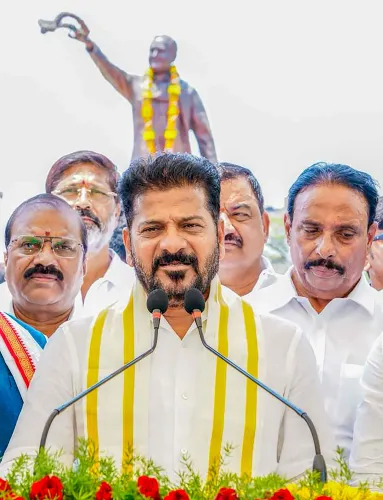
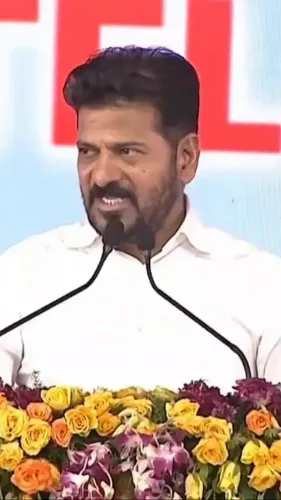
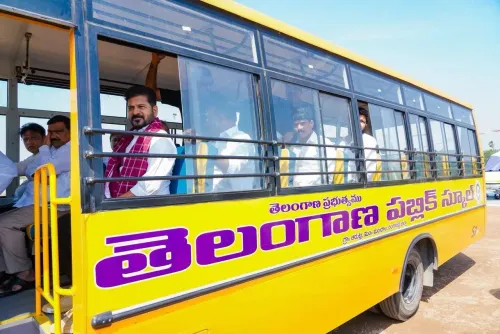
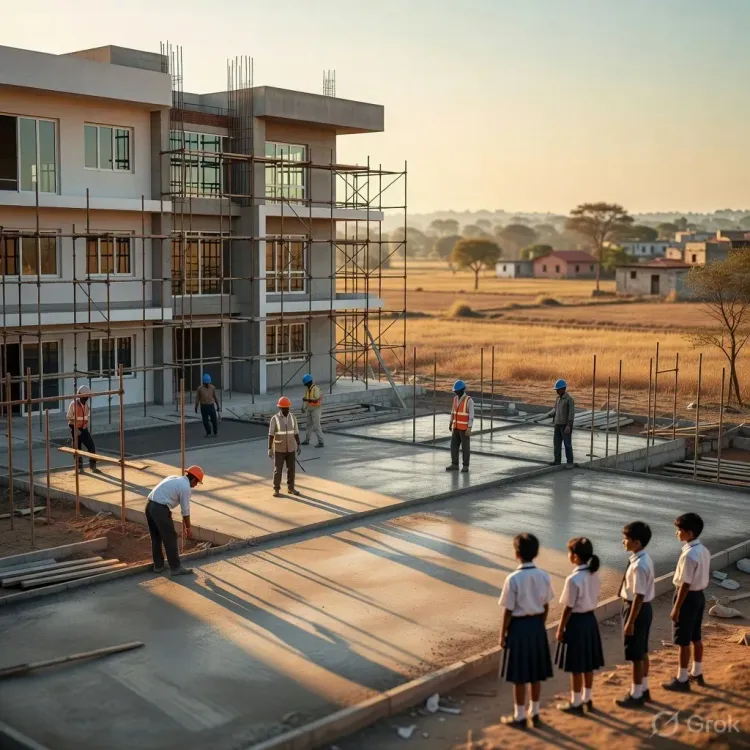
Laying foundations for dreams, not just buildings — that is how Telangana Chief Minister A. Revanth Reddy framed the rapid construction of Young India Integrated Residential Schools across the state in a post on Tuesday, 11 August 2026. The message was pointed: governance requires will, and his government has it.
Writing in Telugu, the Chief Minister said, 'భవనాలు నిర్మించడం సులభమే... కానీ కలలకు పునాదులు వేయాలంటే ప్రభుత్వానికి సంకల్పం ఉండాలి' — 'Building structures is easy... but to lay the foundations of dreams, the government must have resolve.' That resolve, he argued, is already visible in the pace at which the schools are taking shape.
One school per constituency, every barrier erased
The scheme targets every one of Telangana's 119 assembly constituencies, promising state-of-the-art residential facilities for children from economically weaker sections. Revanth Reddy described the schools as institutions designed to erase the lines of 'caste, religion, region, and family background' — a direct invocation of the social-equity language that defined the Congress party's 2023 Telangana election manifesto.
The ambition is explicit: turn poor children into tomorrow's scientists, administrators, entrepreneurs, and builders of a new India. The phrase 'Young India' in the scheme's name is not accidental — it anchors the initiative to a broader Congress political identity while signalling a generational bet on public education.
Telangana's long bet on residential schooling
The idea of state-run residential schools as a social equaliser has deep roots in Indian policy, modelled in part on the Jawahar Navodaya Vidyalaya network that has operated nationally since the 1980s. Telangana governments since the state's formation in June 2014 have consistently used school infrastructure as a lever for social mobility — the Young India scheme extends that tradition with a constituency-level granularity that is politically as much as administratively significant.
What the Chief Minister did not specify — and what the research cannot verify — are exact construction timelines, budgets, or the number of schools already completed. The first real test of the initiative will come when enrollment numbers from the inaugural academic cohort are published, and when independent observers can assess whether the facilities match the promise.
For now, the signal from Hyderabad is unmistakable: the Revanth Reddy government is staking a signature piece of its identity on the idea that world-class education and a child's postal code should have nothing to do with each other. Whether the schools deliver on that promise is the story the next few years will write.
Point of View
Making delivery a political as much as an administrative obligation. The initiative fits a pan-Indian pattern of state governments using residential schooling to claim the social-mobility space — but the Telangana variant's scale and the Chief Minister's personal branding of it raise the stakes considerably. Whether construction pace and quality hold across all 119 constituencies will determine whether this becomes a replicable 'Telangana model' or a cautionary tale about ambition outrunning execution.
NationPress
25 Sept 2026
Frequently Asked Questions
What are Young India Integrated Residential Schools in Telangana?
Young India Integrated Residential Schools are a Telangana state government scheme to build modern residential schools with advanced facilities in every assembly constituency, primarily for children from economically weaker sections.
How many schools are being built under the Young India scheme?
The scheme covers all 119 assembly constituencies of Telangana, with at least one school planned per constituency. Specific completed counts have not been officially verified.
Who announced the Young India Schools scheme?
The scheme is a flagship initiative of the Congress-led Telangana government headed by Chief Minister A. Revanth Reddy , who took office in December 2023 .
What is the goal of Young India Integrated Residential Schools?
The stated goal is to provide world-class residential education to poor children regardless of caste, religion, region, or family background, aiming to produce future scientists, administrators, and entrepreneurs.
Is the Young India Schools scheme related to Navodaya Vidyalayas?
The scheme follows a similar philosophy to the national Jawahar Navodaya Vidyalaya model — using state-funded residential schools to reduce educational inequality — but is a separate, Telangana-specific initiative.