CM Rio highlights SDRF monsoon relief work in Nagaland
Synopsis
Nagaland Chief Minister Neiphiu Rio on July 28, 2026, acknowledged SDRF personnel from the Department of Home Guards, Civil Defence and SDRF for conducting coordinated monsoon relief and restoration operations across the flood- and landslide-prone northeastern state.
Key Takeaways
Nagaland CM Neiphiu Rio publicly acknowledged SDRF monsoon relief operations on July 28, 2026 .
Personnel from the Department of Home Guards, Civil Defence and SDRF are deployed alongside other emergency agencies and line departments.
Nagaland's mountainous terrain makes it acutely vulnerable to monsoon-triggered landslides and flash floods every year.
The Disaster Management Act, 2005 and NDMA guidelines (2007–2009) form the legal and operational backbone for state disaster forces like the SDRF.
States can draw on the State Disaster Response Fund for relief costs and may request additional central assistance based on damage assessments.
Every monsoon season, Nagaland's hilly terrain turns treacherous — and this year is no different. Nagaland Chief Minister Neiphiu Rio on Tuesday, July 28, 2026, spotlighted the coordinated disaster response underway across the state, acknowledging the frontline role of personnel from the Department of Home Guards, Civil Defence and SDRF in relief and restoration efforts.
SDRF on the ground as monsoon bites
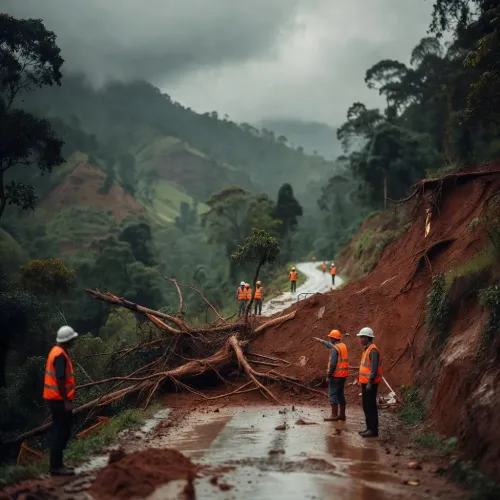
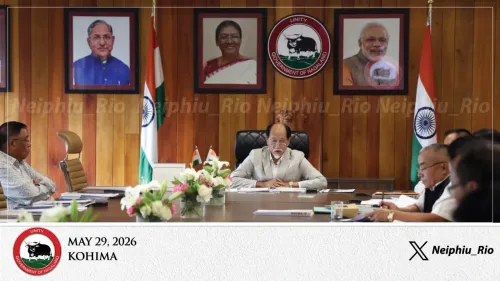
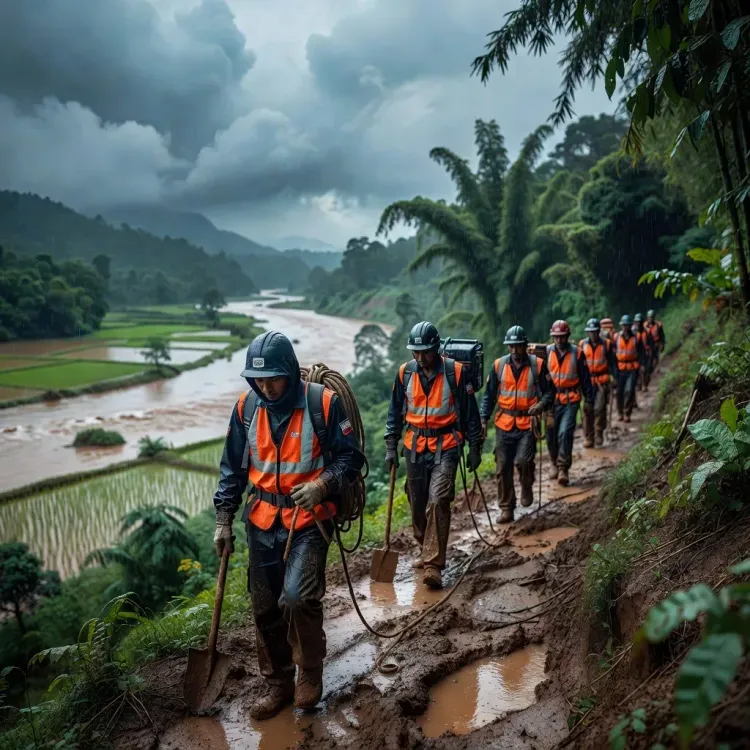
Rio's post noted that State Disaster Response Force (SDRF) personnel are working 'alongside other emergency response agencies and line departments in a coordinated effort to support relief operations and restore affected areas.' The message, tagged #KnowYourGovernment, was accompanied by three images showing field operations — a deliberate attempt to put a human face on the state's disaster machinery.
Nagaland's geography makes it one of India's most monsoon-vulnerable states. Steep ridgelines, narrow river valleys, and limited road connectivity mean that landslides and flash floods can isolate communities quickly. Rapid, multi-agency response is not optional — it is essential.
The legal backbone: Disaster Management Act, 2005
India's Disaster Management Act of 2005 created the statutory framework for state-level disaster forces, and National Disaster Management Authority (NDMA) guidelines issued between 2007 and 2009 directed every state to constitute and train its own SDRF. Nagaland's unit operates under the Department of Home Guards, Civil Defence and SDRF — a department that sits at the intersection of law enforcement preparedness and humanitarian response.
Coordinated multi-agency deployment during floods and landslides follows established state-central protocols, with states able to draw on the State Disaster Response Fund for relief expenditure and request additional central assistance when the scale of damage warrants it.
Why the Chief Minister's signal matters
A sitting Chief Minister publicly highlighting SDRF operations does more than communicate — it signals administrative accountability to affected communities and keeps pressure on line departments to maintain coordination. Rio's use of the #KnowYourGovernment hashtag frames disaster response not just as emergency management but as a governance transparency exercise, reminding citizens which arms of the state are working on their behalf.
With monsoon damage assessments still ongoing, the state's next steps — and whether Nagaland seeks additional central support — will be the real measure of this season's response.
Point of View
Partly to preempt criticism of administrative inaction. Nagaland's recurring monsoon vulnerability keeps disaster preparedness a perennial political priority, and the #KnowYourGovernment framing signals an intent to tie relief delivery directly to the ruling NDPP's governance narrative. The more consequential question is whether the coordination being signalled translates into measurable damage mitigation — and whether the state will seek enhanced central funds from the State Disaster Response Fund if the season's toll climbs.
NationPress
28 Jul 2026
Frequently Asked Questions
What is the SDRF and what does it do in Nagaland?
The State Disaster Response Force (SDRF) is a state-level emergency unit operating under Nagaland's Department of Home Guards, Civil Defence and SDRF . It conducts search, rescue, and relief operations during disasters such as monsoon floods and landslides, often working alongside other government agencies.
Why is Nagaland particularly vulnerable during the monsoon?
Nagaland's hilly, mountainous terrain and narrow river valleys make it highly susceptible to landslides and flash floods during the monsoon season. Limited road connectivity can quickly isolate communities, making rapid disaster response critical.
What law governs disaster response forces in Indian states?
The Disaster Management Act, 2005 created the legal framework for state disaster response forces across India. National Disaster Management Authority (NDMA) guidelines issued between 2007 and 2009 directed states to constitute, train, and deploy their own SDRFs.
What is the State Disaster Response Fund?
The State Disaster Response Fund is a financial mechanism that allows state governments to draw funds for disaster relief expenditure. States can also request additional central assistance if the scale of a disaster exceeds their capacity.
Why did CM Neiphiu Rio post about SDRF operations on X?
Chief Minister Neiphiu Rio highlighted the SDRF's monsoon relief work to communicate administrative accountability and reassure citizens that coordinated government action is underway. The #KnowYourGovernment hashtag frames the post as a governance transparency initiative.