CM Rio highlights Yarn Bank Scheme to back Nagaland weavers
Synopsis
Nagaland Chief Minister Neiphiu Rio spotlighted the CM's Yarn Bank Scheme on October 26, 2026, framing it as a government commitment to supplying quality raw materials to tribal weavers, preserving traditional craftsmanship, and sustaining the state's handloom heritage.
Key Takeaways
CM Neiphiu Rio publicly highlighted the CM's Yarn Bank Scheme on October 26, 2026 via X.
The scheme is designed to improve access to quality yarn for Nagaland's traditional handloom weavers.
Its stated goals cover economic support for weavers, preservation of traditional craftsmanship, and sustaining the state's weaving heritage.
The initiative reflects a wider northeastern Indian pattern of state-level targeted support for tribal craft economies.
The post was tagged #KnowYourGovernment , signalling an intent to raise public awareness of active government welfare programmes.
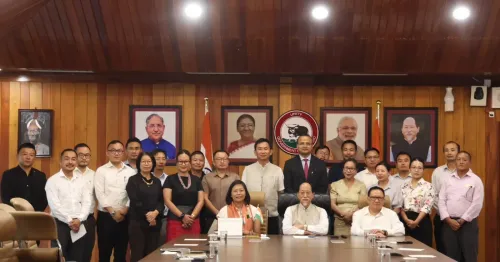
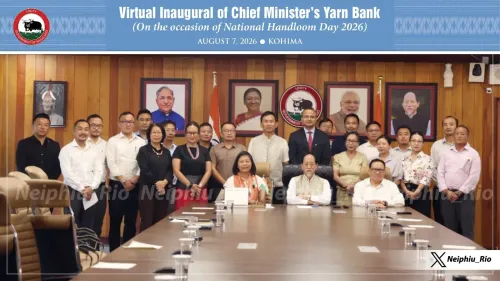
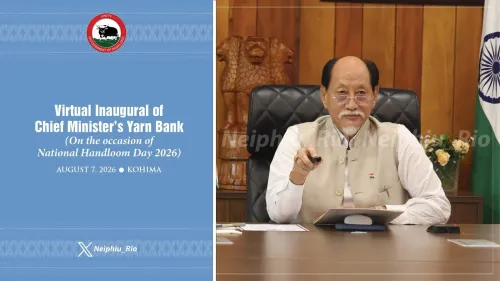
A state government initiative to put quality raw materials directly in the hands of Nagaland's traditional weavers is getting fresh attention from the top — Chief Minister Neiphiu Rio took to X on Monday, October 26, 2026, to spotlight the CM's Yarn Bank Scheme, calling it a concrete expression of his government's commitment to the handloom sector.
What the Yarn Bank Scheme sets out to do
At its core, the scheme is designed to solve one of the most persistent bottlenecks for tribal weavers in Nagaland: reliable access to quality yarn. Without a steady supply of raw material, even the most skilled artisan cannot keep a loom running — and when the loom goes quiet, so does a living tradition. The CM's post framed the initiative around three pillars: supporting weavers economically, preserving traditional craftsmanship, and sustaining the state's rich weaving heritage.
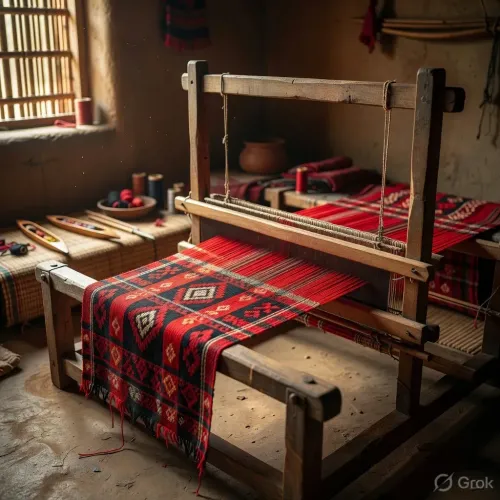
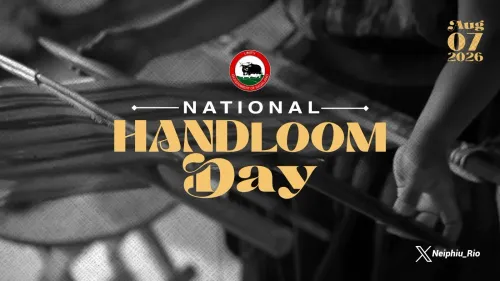
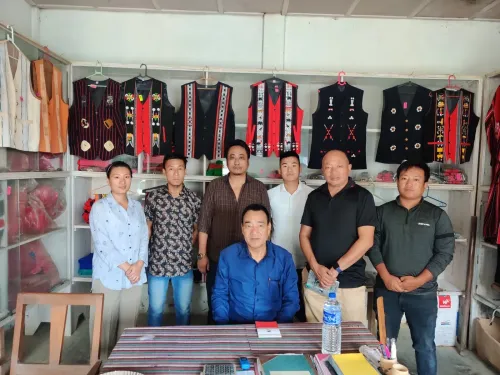
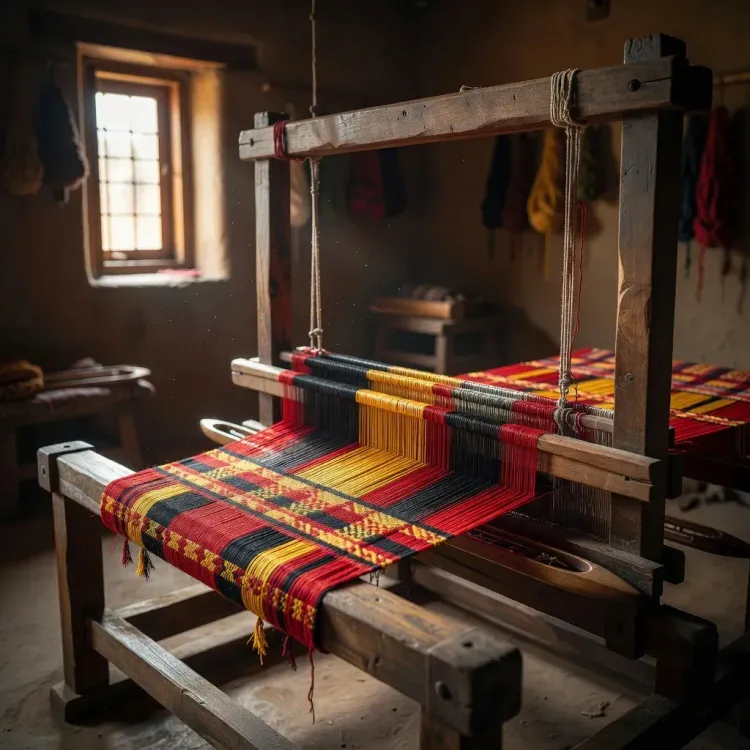
Handloom weaving in Nagaland is not a cottage curiosity. Across the state's diverse tribal communities, it is a livelihood, a marker of identity, and in many households the thread that connects generations. The state government's move to address raw-material access directly — rather than leaving weavers to navigate open markets — mirrors approaches taken by other northeastern Indian states that have built targeted support around tribal craft economies.
Rio's broader push under #KnowYourGovernment
The post carries the hashtag #KnowYourGovernment — a transparency-signalling tag CM Rio has used to surface government programmes for wider public awareness. The choice to amplify the Yarn Bank Scheme through that banner suggests the administration wants citizens and weavers alike to know the scheme exists and is active. In a state where many beneficiary communities are remote, social-media visibility for welfare programmes can be the difference between awareness and exclusion.
Northeastern state governments have long walked the line between economic development and cultural preservation — two goals that, in the case of handloom, are inseparable. Initiatives like this one sit alongside broader central textile-sector programmes, though the Yarn Bank Scheme operates as a distinctly Nagaland government effort tailored to local needs.
The real measure of the scheme's success will come in the numbers: how many weavers are covered, how consistently yarn reaches them, and whether the next generation picks up the craft. Those figures — in budget allocations and implementation reports — are what to watch in the months ahead. For now, CM Rio has made clear which side of that ledger his government intends to be on.
Point of View
A powerful combination in a state where identity politics and governance are deeply intertwined. The use of the #KnowYourGovernment hashtag points to a deliberate communications strategy that ties programme awareness directly to the ruling NDPP's brand. The scheme's ultimate credibility, however, will rest on implementation depth — coverage and distribution data that the administration has yet to make public.
NationPress
26 Oct 2026
Frequently Asked Questions
What is the CM's Yarn Bank Scheme in Nagaland?
The CM's Yarn Bank Scheme is a Nagaland government initiative that supplies quality yarn to traditional handloom weavers, aiming to address raw-material access challenges and support the state's tribal weaving heritage.
Who launched the Yarn Bank Scheme in Nagaland?
The scheme is a Nagaland state government initiative associated with Chief Minister Neiphiu Rio 's administration, as highlighted in his post on October 26, 2026 .
How does the Yarn Bank Scheme help Nagaland weavers?
It aims to give traditional weavers reliable access to quality raw materials — addressing one of the biggest operational bottlenecks — so they can sustain their craft economically and keep traditional techniques alive.
Why is handloom weaving important to Nagaland?
Handloom weaving is central to Nagaland's diverse tribal communities — it serves as both a livelihood and a marker of cultural identity, making its preservation a priority for state policy.
What is Neiphiu Rio's #KnowYourGovernment campaign?
It is a hashtag used by CM Neiphiu Rio on social media to surface active government schemes and policies for wider public awareness, bridging the gap between rural beneficiaries and state-run programmes.