CM Rio Inaugurates New Buildings, Opens Doors to Opportunity
Synopsis
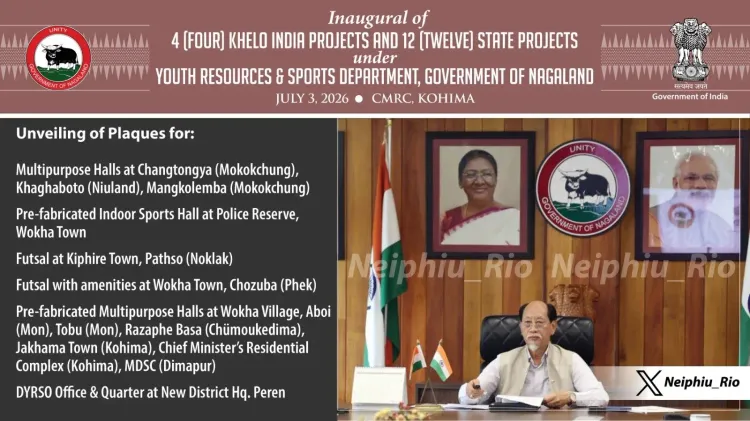
Nagaland Chief Minister Neiphiu Rio on 3 July 2026 virtually inaugurated new buildings in the state, describing the occasion as a cherished milestone that opens fresh opportunities for Nagaland's residents and reflects the state's ongoing infrastructure push.
Key Takeaways
CM Neiphiu Rio virtually inaugurated new buildings in Nagaland on 3 July 2026 .
Rio described the event as a milestone that 'opened doors to new opportunities' for the state.
The virtual format reflects a broader Northeastern governance trend of digital inaugurations to overcome terrain and connectivity challenges.
Nagaland has prioritised infrastructure development under the NDPP -led government since 2018 .
Utilisation and rollout details for the new facilities are expected to be disclosed in subsequent state government communications.
Nagaland Chief Minister Neiphiu Rio on Friday, 3 July 2026, marked the virtual inauguration of new buildings in the state, describing the occasion as a milestone that opens fresh opportunities for Nagaland's residents.
Context
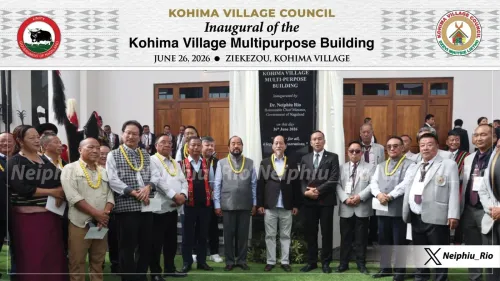
Sharing his remarks on X, CM Rio said, 'Today, we not only inaugurated new buildings but also opened doors to new opportunities for our State. Though we came together virtually, this is a milestone we will all cherish.' The post, accompanied by an image from the event, signals a significant addition to the state's physical infrastructure landscape.
Virtual inaugurations have become a practical tool for governance in Nagaland and other Northeastern states, where difficult terrain and connectivity constraints make in-person gatherings across districts logistically challenging. The format allows officials, beneficiaries, and stakeholders to participate simultaneously without travel barriers.
Policy Backdrop
Nagaland has steadily prioritised infrastructure development as a pillar of its administrative agenda since CM Rio returned to office in 2018 under the Nationalist Democratic Progressive Party (NDPP). The state has engaged with central government schemes aimed at building administrative and educational facilities, particularly in underserved hill districts.
Across India's Northeast, state governments have leveraged digital platforms for project launches since 2020, combining virtual participation with tangible asset creation on the ground. This approach has allowed governments to maintain developmental momentum while managing the logistical realities of remote geographies.
Stakeholders and Impact
The primary beneficiaries of the newly inaugurated buildings are Nagaland's residents, particularly those in areas where new administrative or educational facilities expand access to public services. Infrastructure additions of this nature typically serve communities over the long term, improving both service delivery and local employment during construction and operation phases.
For the NDPP-led government, such inaugurations also carry political significance, demonstrating visible developmental output ahead of future electoral cycles. The Chief Minister's emphasis on 'new opportunities' suggests the buildings are intended to serve a functional public purpose beyond mere construction.
What's Next
Attention will now turn to the rollout timelines and utilisation of the newly inaugurated facilities. Detailed disclosures on the nature, location, and purpose of the buildings are expected to emerge through subsequent state government communications and assembly sessions.
If the infrastructure aligns with centrally sponsored schemes, utilisation and completion reports will likely be tabled in the Nagaland Legislative Assembly, offering a fuller picture of the developmental impact. The virtual inauguration format itself may continue to feature in the state government's infrastructure rollout strategy going forward.
Point of View
' Rio is anchoring infrastructure delivery to a broader development narrative, which carries weight in a state where connectivity and access gaps remain persistent political issues. The NDPP government's continued emphasis on visible infrastructure milestones also signals an awareness of the electoral currency that tangible development projects carry. How quickly these facilities become operational and serve their intended communities will determine whether the milestone rhetoric translates into measurable public benefit.
NationPress
1 Oct 2026
Frequently Asked Questions
What did Nagaland CM Neiphiu Rio inaugurate on 3 July 2026?
Nagaland Chief Minister Neiphiu Rio virtually inaugurated new buildings in the state on 3 July 2026, describing the occasion as a milestone that opens new opportunities for Nagaland's residents.
Why was the inauguration held virtually?
The virtual format was used to allow officials and stakeholders across Nagaland to participate simultaneously, a practical approach in a state where difficult terrain and connectivity constraints make large in-person gatherings challenging.
What is Neiphiu Rio's political party?
Neiphiu Rio leads the Nationalist Democratic Progressive Party (NDPP) and has served as Chief Minister of Nagaland since 2018.
What is the significance of new building inaugurations in Nagaland?
New buildings in Nagaland typically serve administrative or educational purposes, expanding public service access in underserved hill districts and contributing to the state's long-term infrastructure development goals.
What happens after the inauguration of new buildings in Nagaland?
Following inaugurations, rollout timelines and utilisation reports for the new facilities are generally expected to be disclosed through state government communications and tabled in the Nagaland Legislative Assembly.