CM Rio: Nagaland's youth, culture & Hornbill mark state's rise
Synopsis
Nagaland CM Neiphiu Rio on 27 October 2026 highlighted the state's natural beauty, tribal culture, and youth talent in music, sports, and entrepreneurship, calling the Hornbill Festival a symbol of Nagaland's openness and its honest acknowledgment of both potential and ongoing challenges.
Key Takeaways
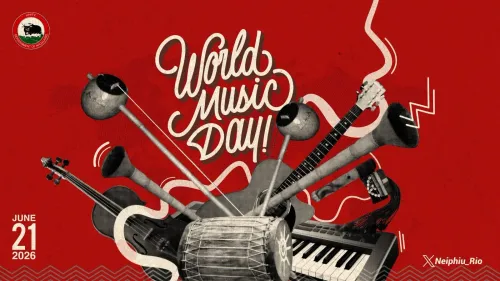
CM Neiphiu Rio posted on 27 October 2026 celebrating Nagaland's culture, communities, and youth talent.
Rio specifically named music, sports, entrepreneurship, and the creative economy as sectors where Nagaland's youth are making their mark.
The Hornbill Festival , launched in 2000 at Kisama Heritage Village , was cited as the emblem of the state's global openness.
Rio's framing notably paired 'potential' with 'challenges,' offering an unusually candid acknowledgment alongside celebration.
Nagaland has 16 major tribes ; the festival was designed from inception to unify them and drive tourism as an economic engine.
Nagaland's strengths — its landscapes, tribal traditions, and a generation of young people making noise in music, sport, and entrepreneurship — deserve a louder national conversation. Nagaland Chief Minister Neiphiu Rio made exactly that case on Tuesday, 27 October 2026, in a post on X that framed the Hornbill Festival as the clearest window into the state's ambitions and its honest reckoning with the road still ahead.
Rio wrote that Nagaland is 'blessed with natural beauty, rich culture, strong communities, and talented youth making their mark in music, sports, entrepreneurship, and the creative economy,' adding that the Hornbill Festival 'reflects this energy and our openness to the world, alongside our potential and challenges.' The acknowledgment of challenges — placed deliberately in the same breath as celebration — is the sentence that lingers.
What the Hornbill Festival actually represents
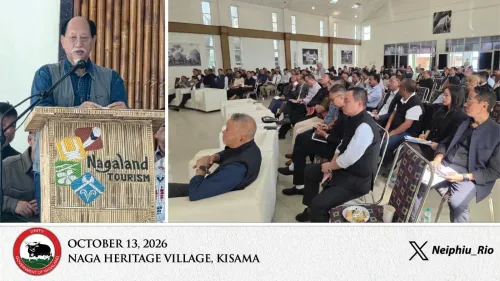
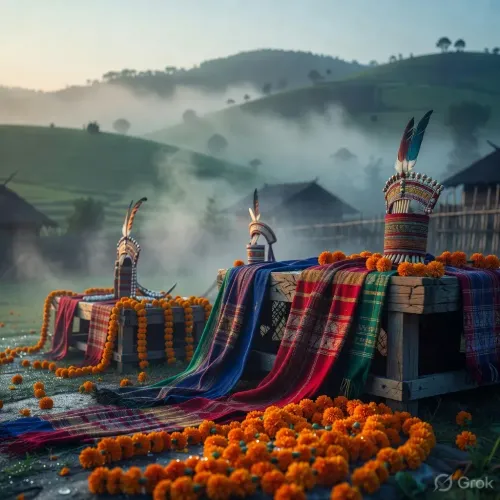
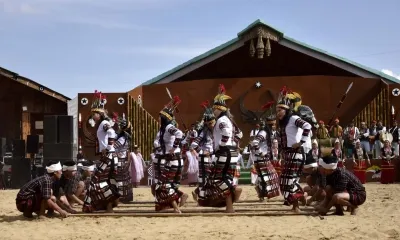
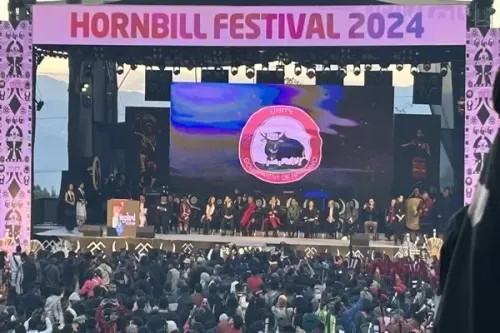
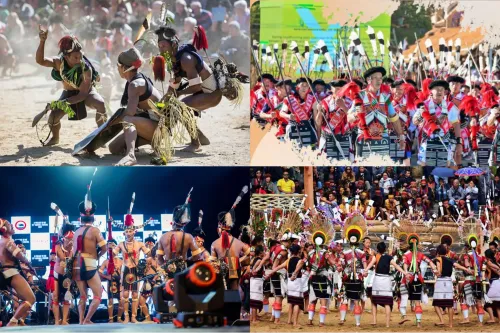
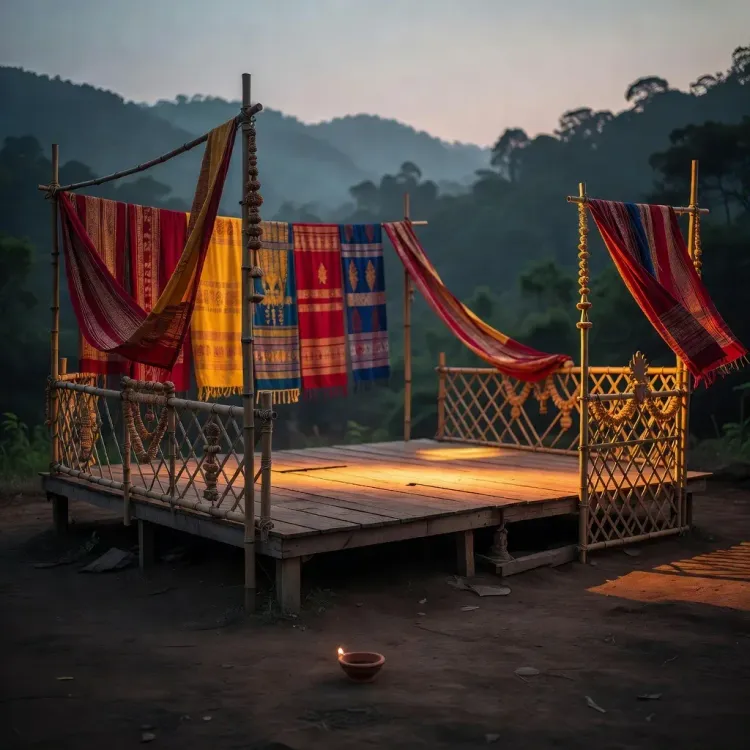
Launched by the Nagaland government in 2000, the Hornbill Festival was always a policy instrument as much as a cultural event. Held annually at Kisama Heritage Village near Kohima in December, it was designed to bring the state's 16 major tribes onto a single stage — tribal communities whose distinct languages, governance systems, and traditions had rarely been presented to an outside audience in one place. Over two and a half decades it has grown into one of Northeast India's flagship tourism draws, pulling visitors seeking Naga folk music, war dances, traditional cuisine, and craft markets under a single roof. The festival's DNA is deliberately outward-facing — 'our openness to the world,' as Rio puts it — a soft-power move that maps onto a broader Northeast India strategy of converting cultural distinctiveness into economic momentum.Youth and the creative economy: Nagaland's emerging edge
Rio's specific callout of music, sports, and entrepreneurship is not accidental. Nagaland has produced a disproportionately visible cohort of young artists and athletes who have found audiences well beyond the state's borders, and the creative economy angle signals an intent to formalise and fund that pipeline. The Hornbill Festival itself has become a platform where independent musicians and designers test markets, with the annual event functioning as a de facto creative showcase. That the Chief Minister frames these alongside 'challenges' is a mark of credibility. Nagaland continues to work through infrastructure gaps and the long tail of a historical peace process — realities that sit alongside every celebration of its cultural confidence. As the December 2026 Hornbill Festival edition approaches, Rio's framing sets the tone: not denial, not defensiveness — an open ledger, potential and problems both on the table.Point of View
Distancing it from boosterism and signalling a governance maturity that plays well with investors, tourists, and development partners alike. Nagaland's consistent use of cultural festivals as economic and diplomatic instruments mirrors a broader Northeast India playbook, but Rio's framing of the creative economy as a youth-employment frontier adds a newer, more contemporary register. The subtext — that music, sport, and entrepreneurship are not just cultural expressions but livelihood pathways — points toward where the state's next policy conversations may land.
NationPress
27 Oct 2026
Frequently Asked Questions
When is the Hornbill Festival 2026?
The Hornbill Festival is held annually in December at Kisama Heritage Village near Kohima, Nagaland; the exact dates for the 2026 edition have not been officially announced yet.
What is the Hornbill Festival in Nagaland?
The Hornbill Festival is an annual event launched in 2000 by the Nagaland government at Kisama Heritage Village to showcase the traditions, music, dance, crafts, and cuisine of the state's 16 major tribes, while promoting tourism and cultural exchange.
What is Nagaland's creative economy?
Nagaland's creative economy refers to the growing sectors of music, visual arts, craft, sports, and youth entrepreneurship that are increasingly generating livelihoods and national visibility for the state's young population.
Why is the Hornbill Festival important for Nagaland's tourism?
The Hornbill Festival is one of Northeast India's biggest tourism draws, bringing together all 16 Naga tribes on one platform and positioning Nagaland as an open, culturally rich destination for both domestic and international visitors.