CM Rio Inaugurates Lhisemia Multipurpose Building in Nagaland
Synopsis
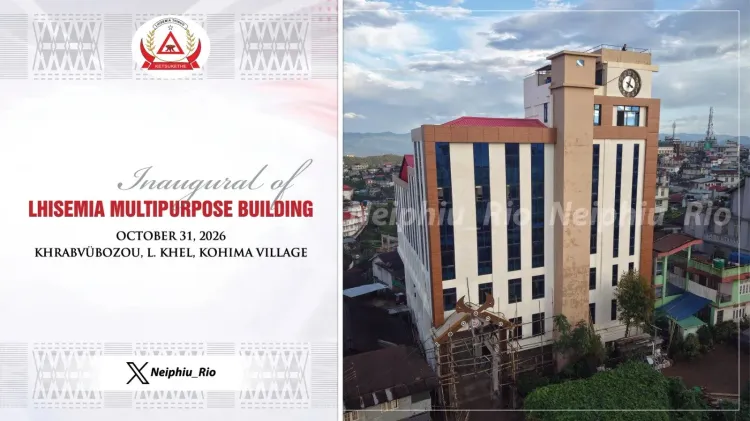
Nagaland Chief Minister Neiphiu Rio inaugurated the Lhisemia Multipurpose Building on October 31, 2026, commending the project as a symbol of community-led initiative, collective effort, and shared vision in strengthening local ties across the state.
Key Takeaways
Nagaland Chief Minister Neiphiu Rio inaugurated the Lhisemia Multipurpose Building on October 31, 2026 .
Rio described the facility as a reflection of 'community-led initiatives, collective effort, and shared vision.' The building is intended to promote unity, strengthen community ties, and encourage meaningful civic engagement.
Community multipurpose buildings are a cornerstone of Nagaland's village-level governance and social infrastructure.
Nagaland state leaders routinely inaugurate locally-funded community facilities, underscoring the state's emphasis on grassroots collective action.
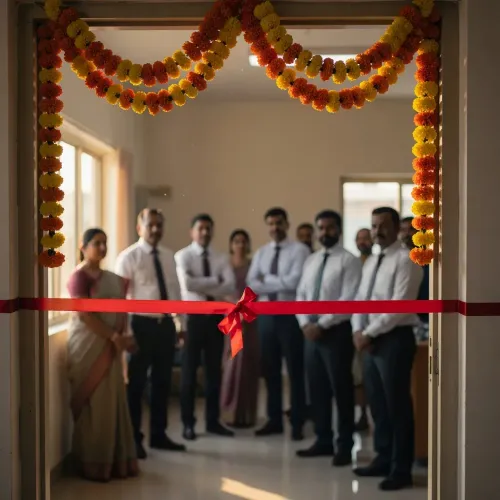
Nagaland Chief Minister Neiphiu Rio on Saturday, October 31 inaugurated the Lhisemia Multipurpose Building, calling the facility a testament to community-driven effort and collective will — the kind of grassroots infrastructure that quietly stitches Nagaland's villages together.
Rio described the inauguration as 'a pleasure,' framing the building as a reflection of 'community-led initiatives, collective effort, and shared vision' — language that speaks directly to Nagaland's deep-rooted tradition of village-level cooperation. The facility, he said, is designed to 'promote unity, strengthen community ties, and encourage meaningful engagement.'
Why Community Halls Matter in Nagaland's Village Fabric
In Nagaland, multipurpose community buildings are far more than concrete and steel. They serve as meeting halls, conflict-resolution spaces, cultural venues, and civic anchors for communities that often govern themselves through tribal councils. For many villages, such a facility is the single most consequential piece of shared infrastructure they possess.
State leaders in Nagaland routinely mark the opening of these locally-funded buildings — a tradition that underscores the state's emphasis on village-level collective action over top-down government delivery. The ritual of a Chief Ministerial inauguration lends both legitimacy and visibility to the community's own effort.
Rio's Role as Champion of Local Governance
Neiphiu Rio, who leads the Nationalist Democratic Progressive Party (NDPP) and has been a fixture of Nagaland politics for decades, has consistently positioned himself as a bridge between the state government and grassroots communities. Inaugurations such as this one form a steady rhythm in his public calendar — a signal, repeated across districts, that community initiative will receive official recognition.
For the people behind the Lhisemia Multipurpose Building, the Chief Minister's presence at the ribbon-cutting is not a formality. It is an acknowledgement that their collective investment in shared space is seen, and valued, at the highest level of the state.
In Nagaland's political culture, that acknowledgement carries weight well beyond the ceremony itself.
Point of View
Visible engagement with village-level projects. In a state where tribal institutions and community councils remain the primary unit of social organisation, lending the Chief Ministerial seal to a locally-built facility is a deliberate act of political culture, not just ceremony. It reinforces the NDPP's positioning as a party embedded in the community fabric rather than one that governs from a distance. Over time, these repeated gestures accumulate into a durable form of political capital that formal policy announcements alone rarely generate.
NationPress
31 Oct 2026
Frequently Asked Questions
What is the Lhisemia Multipurpose Building in Nagaland?
The Lhisemia Multipurpose Building is a community facility inaugurated by Nagaland Chief Minister Neiphiu Rio on October 31, 2026. It is designed to serve as a shared civic space that promotes unity and strengthens community ties at the local level.
Who inaugurated the Lhisemia Multipurpose Building?
Nagaland Chief Minister Neiphiu Rio inaugurated the Lhisemia Multipurpose Building on October 31, 2026, calling it a reflection of community-led initiative and collective effort.
What did CM Neiphiu Rio say at the Lhisemia inauguration?
Rio said the facility 'reflects the value of community-led initiatives, collective effort, and shared vision in creating spaces that promote unity, strengthen community ties, and encourages meaningful engagement.'
Why does Nagaland's Chief Minister inaugurate community buildings?
In Nagaland, community multipurpose buildings play a central role in village governance, culture, and civic life. State leaders routinely attend such inaugurations to formally recognise the collective effort of local communities and reinforce the government's connection to grassroots initiatives.
What party does Nagaland CM Neiphiu Rio lead?
Neiphiu Rio leads the Nationalist Democratic Progressive Party (NDPP) and has served as Chief Minister of Nagaland across multiple terms, making him one of the state's most prominent political figures.