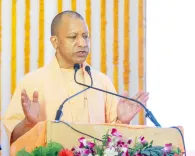
CM Manik Saha credits PM Modi's HIRA model for Tripura's rise
Synopsis
Tripura Chief Minister Dr. Manik Saha credited Prime Minister Modi's HIRA model — covering Highways, Inland Waterways, Railways, and Airways — for reshaping the once-landlocked state into a gateway to Southeast Asia, tying the development push to India's Viksit Bharat @2047 vision.
Key Takeaways
Manik Saha publicly credited PM Modi's HIRA model for Tripura's infrastructure transformation on 10 June 2026 .
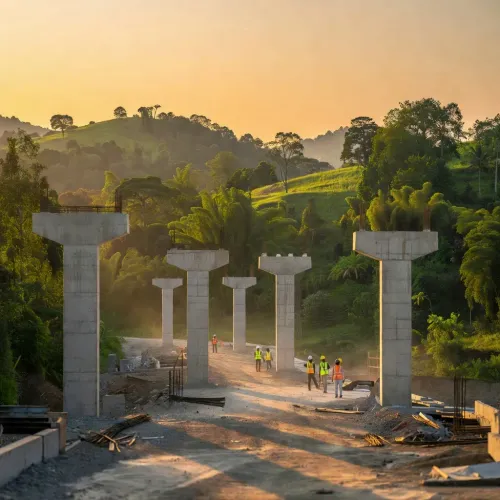
The HIRA framework covers Highways, Inland Waterways, Railways, and Airways across the Northeast.
Tripura , bordered by Bangladesh on three sides, is being positioned as a trade corridor toward Southeast Asia .
The Act East Policy (launched 2014 ) and PM Gati Shakti (launched 2021 ) form the broader policy architecture supporting these efforts.
The Akhaura-Agartala rail link is among the key connectivity projects under watch for completion.
The Chief Minister linked Tripura's progress to the national Viksit Bharat @2047 vision for a developed India by independence's centenary.
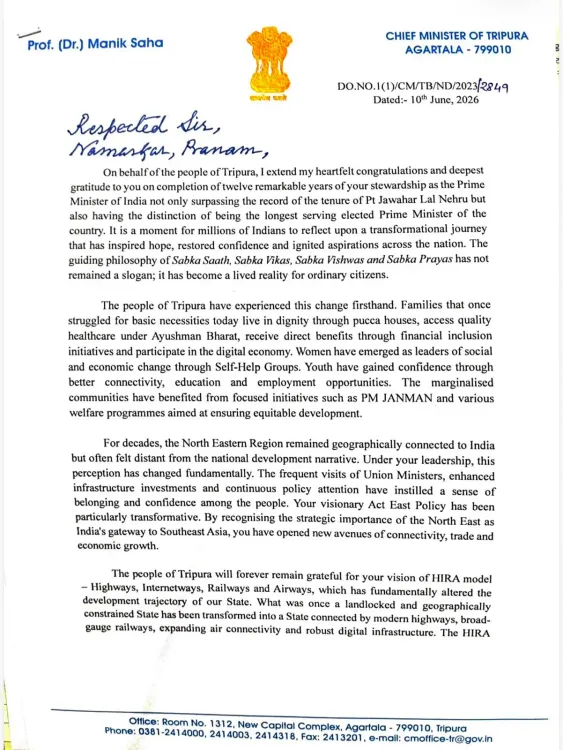
Tripura Chief Minister Dr. Manik Saha on Wednesday, 10 June 2026, praised Prime Minister Narendra Modi's HIRA model for transforming the state from a landlocked territory into what he described as a 'vibrant gateway to Southeast Asia,' invoking the blessings of Mata Tripura Sundari upon the Prime Minister as India advances toward the Viksit Bharat @2047 vision.
Context
In his post, Dr. Saha stated that 'the people of Tripura will forever remain grateful' to the Prime Minister for his 'visionary HIRA model.' He highlighted that modern infrastructure, enhanced connectivity, and expanding opportunities have repositioned Tripura — a state sharing borders with Bangladesh on three sides — as a strategic corridor toward Southeast Asia. The Chief Minister also noted that the North East has 'secured a significant place in the mainstream of India's development journey' under the current central leadership.
The HIRA framework — standing for Highways, Inland Waterways, Railways, and Airways — is the central government's integrated approach to ending the Northeast's long-standing geographic isolation. Dr. Saha closed his message with a prayer, asking that the blessings of the presiding deity Mata Tripura Sundari grant the Prime Minister 'strength and inspiration in his unwavering service to the nation.'
Policy Backdrop
The HIRA model sits within a broader policy architecture that the central government has built since 2014. The Act East Policy, launched that year, was designed to deepen economic and connectivity ties between India's Northeast and the ASEAN bloc, using states like Tripura as natural land bridges toward Myanmar and beyond. The PM Gati Shakti National Master Plan, introduced in 2021, further coordinated multimodal infrastructure projects across the region under a single planning framework.
Together, these initiatives represent a sustained shift in central investment priorities — from treating the Northeast as a peripheral security concern to positioning it as a trade and transit frontier. Tripura's geographic proximity to Bangladesh's Chittagong port and the broader Bay of Bengal economy makes it a particularly significant node in this vision.
Stakeholders and Impact
The primary beneficiaries of this infrastructure push are Tripura's approximately 40 lakh residents, who have historically faced high freight costs and limited market access due to the state's near-encirclement by Bangladesh. Improved rail and road links — including projects such as the Akhaura-Agartala rail connection — have begun to reduce logistical barriers for local businesses and agricultural producers.
Northeast businesses more broadly stand to gain from expanded cross-border trade routes, while the central government reinforces its strategic argument that infrastructure investment in frontier states yields both economic and diplomatic dividends with neighbouring countries and the wider ASEAN region.
What's Next
Attention will now focus on the completion timelines of pending rail and road corridors in Tripura and whether fresh funding allocations under schemes such as PM-DevINE or the Gati Shakti master plan will accelerate remaining gaps in the connectivity network. As India moves toward the Viksit Bharat @2047 centenary milestone, the Northeast's integration into national economic frameworks is expected to remain a prominent policy benchmark — and a recurring political touchstone for regional leaders.
Point of View
The Chief Minister reinforces the party's central argument that Northeast India's rise is inseparable from the Modi government's policy architecture. The religious invocation of Mata Tripura Sundari adds a culturally resonant local dimension, anchoring a national policy message in Tripura's own identity. This pattern of state-level leaders amplifying central government frameworks has become a consistent feature of BJP's political communication strategy across the Northeast.
NationPress
26 Oct 2026
Frequently Asked Questions
What is the HIRA model for the Northeast?
HIRA stands for Highways, Inland Waterways, Railways, and Airways — a central government framework designed to build integrated multimodal connectivity across India's Northeast and reduce the region's geographic isolation.
Why is Tripura called a gateway to Southeast Asia?
Tripura shares borders with Bangladesh on three sides and sits close to Myanmar, making it a natural land corridor for trade routes toward ASEAN nations. Improved rail and road links have strengthened its potential as a cross-border transit hub.
What is Viksit Bharat @2047?
Viksit Bharat @2047 is the central government's national vision to make India a fully developed nation by 2047, which marks the centenary of Indian independence.
What is the Act East Policy and how does it relate to Tripura?
The Act East Policy, launched in 2014, aims to deepen India's economic and connectivity ties with ASEAN countries. Tripura, due to its geographic position, is a key node in this strategy, serving as a potential trade and transit corridor toward Bangladesh, Myanmar, and beyond.
What is the Akhaura-Agartala rail link?
The Akhaura-Agartala rail connection is a cross-border rail project linking Tripura's capital Agartala with Akhaura in Bangladesh, intended to cut travel times and freight costs for the region and improve connectivity with the broader subcontinent rail network.