CM Manik Saha Signs NDDB MoU to Boost Tripura Dairy Sector
Synopsis
Tripura Chief Minister Dr. Manik Saha signed a tripartite MoU at the state secretariat on 23 June 2026 between the Livestock Development Department, NDDB, and the Gomati Co-operative Milk Producer Union to increase milk production, strengthen dairy cooperatives, and improve the socio-economic conditions of dairy farmers in the state.
Key Takeaways
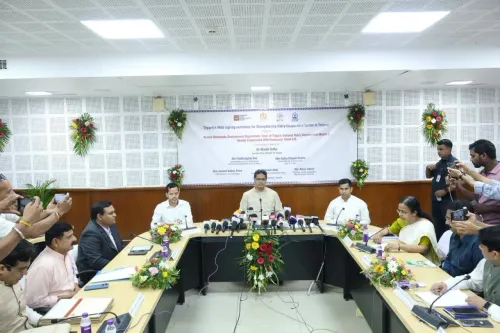
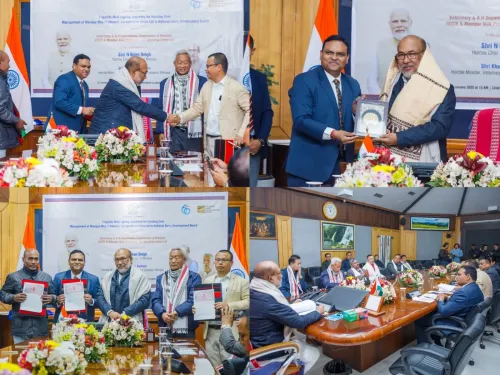
A tripartite MoU was signed on 23 June 2026 at the Tripura secretariat in Agartala between the state's Livestock Development Department , NDDB , and the Gomati Co-operative Milk Producer Union .
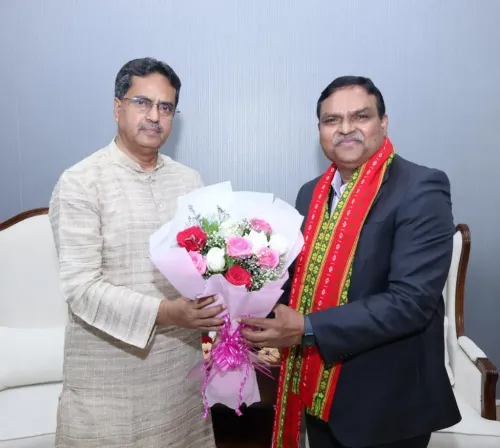
Meenesh Shah was present at the signing along with ministers Sudhanshu Das and Sukla Charan Noatia .
Manik Saha said the agreement will increase milk production and advance self-reliance in Tripura's dairy sector.
The MoU aims to improve the socio-economic conditions of dairy farmers and strengthen grassroots milk producer cooperatives in the state.
NDDB , established in 1965 on the Anand cooperative model, has been supporting northeastern states to modernise dairy value chains and organise smallholder producers.
Rollout of milk collection infrastructure, chilling plants, and training programmes under the MoU will be the key indicators of implementation progress.
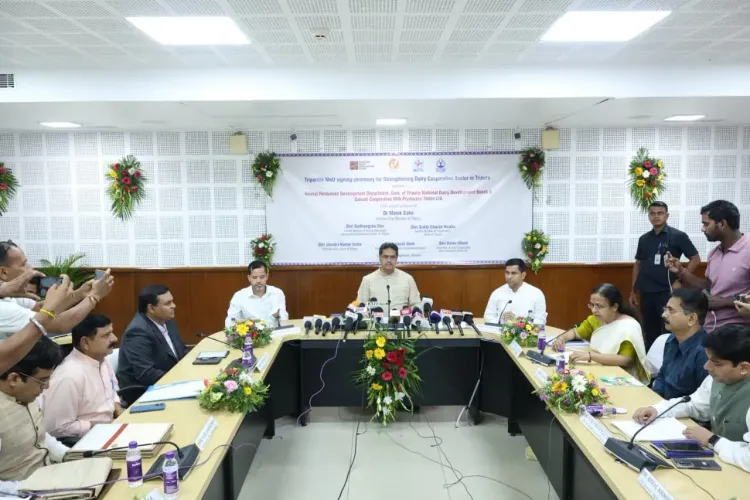
Tripura Chief Minister Dr. Manik Saha on Tuesday, 23 June 2026, presided over the signing of a tripartite Memorandum of Understanding (MoU) at the state secretariat in Agartala between the Livestock Development Department, the National Dairy Development Board (NDDB), and the Gomati Co-operative Milk Producer Union — a move the Chief Minister described as 'historic' for Tripura's dairy cooperative sector.
Context
Posting in Bengali on X, Dr. Saha said the agreement was signed in the presence of NDDB Chairman Dr. Meenesh Shah, Minister Shri Sudhanshu Das, and Minister Sukla Charan Noatia, along with other senior officials. The Chief Minister expressed 'firm belief' that this 'historic agreement' (ঐতিহাসিক চুক্তি) will 'strengthen and energise Tripura's dairy cooperative system.' He added that through this initiative, milk production in the state will increase, the path to self-reliance in the dairy sector will be eased, and 'a new horizon will open for the socio-economic development of our hardworking dairy farmers.'
Policy Backdrop
The National Dairy Development Board is a statutory body under the Union Ministry of Fisheries, Animal Husbandry and Dairying, established in 1965 to replicate the Anand-pattern dairy cooperative model — the backbone of India's 'Operation Flood' — across the country. Over the decades, NDDB has extended technical and institutional support to northeastern states to organise smallholder dairy producers into cooperatives, improve market linkages, and raise local milk output.
The Gomati Co-operative Milk Producer Union is a district-level cooperative in Tripura responsible for the collection, processing, and marketing of milk from local farmers. The tripartite MoU brings together state government machinery, the national apex dairy body, and a grassroots producer union — a structure designed to align policy, technical expertise, and farmer participation under one framework.
Stakeholders and Impact
The primary beneficiaries of the agreement are Tripura's dairy farmers and milk producer cooperatives, particularly smallholder producers in rural and semi-urban areas. Dr. Saha stated that the state government 'is always committed to the welfare of farmers and dairy farmers,' and that this initiative 'will play an important role in further enriching Tripura's rural economy.'
Tripura's move fits a wider national pattern of state governments partnering with NDDB to modernise dairy value chains and enhance rural incomes under the broader livestock sector development framework. For a state where agriculture and allied activities form a significant share of the rural livelihood base, improved milk procurement and cooperative infrastructure can have a measurable multiplier effect on household incomes.
What's Next
Attention will now turn to the rollout of specific interventions under the MoU — including new milk collection infrastructure, chilling plants, and farmer training programmes — that will determine the agreement's on-ground impact. Official milk production and procurement data released by the Tripura government in subsequent quarters will serve as the key metric for evaluating progress toward the self-reliance goal articulated by Chief Minister Dr. Saha.
If implemented effectively, the partnership could position Tripura as a model for NDDB-backed cooperative dairy development in the northeast, with implications for how other states in the region approach the sector.
Point of View
The agreement also carries political weight, as rural welfare and farmer income remain central to the BJP's governance narrative in the northeast. The involvement of NDDB at the highest level, with Chairman Dr. Meenesh Shah personally attending the signing, suggests this is more than a ceremonial MoU and reflects a substantive federal-state partnership. Whether the agreement translates into measurable gains for Tripura's dairy farmers will depend on the pace and quality of on-ground infrastructure deployment in the months ahead.
NationPress
22 Sept 2026
Frequently Asked Questions
What is the NDDB MoU signed by Tripura in June 2026?
On 23 June 2026, Tripura's Livestock Development Department, the National Dairy Development Board (NDDB), and the Gomati Co-operative Milk Producer Union signed a tripartite MoU at the state secretariat in Agartala to boost milk production and strengthen dairy cooperatives in the state.
Who is Dr. Meenesh Shah?
Dr. Meenesh Shah is the Chairman of the National Dairy Development Board (NDDB), the statutory body established in 1965 to promote dairy cooperatives and increase milk production across India. He was present at the MoU signing in Agartala on 23 June 2026.
What is the Gomati Co-operative Milk Producer Union?
The Gomati Co-operative Milk Producer Union is a district-level dairy cooperative in Tripura responsible for collecting, processing, and marketing milk from local farmers. It is one of the three signatories to the June 2026 tripartite MoU.
How will the NDDB MoU benefit Tripura's dairy farmers?
According to Chief Minister Dr. Manik Saha, the MoU is expected to increase milk production in the state, advance self-reliance in the dairy sector, and open new avenues for the socio-economic development of Tripura's dairy farming community.
What is NDDB and why does it matter for northeastern states?
The National Dairy Development Board is a statutory body under the Union Ministry of Fisheries, Animal Husbandry and Dairying, set up in 1965 on the Anand cooperative model. It has been extending technical and institutional support to northeastern states to organise smallholder dairy producers into cooperatives and improve market linkages.