CM Sai at Chhath Ghat Kunkuri: Fest meets Development
Synopsis
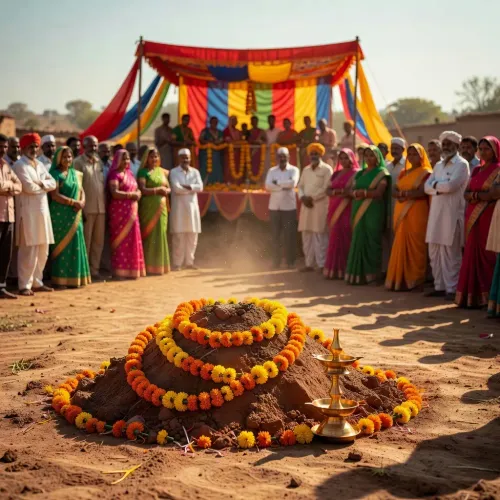
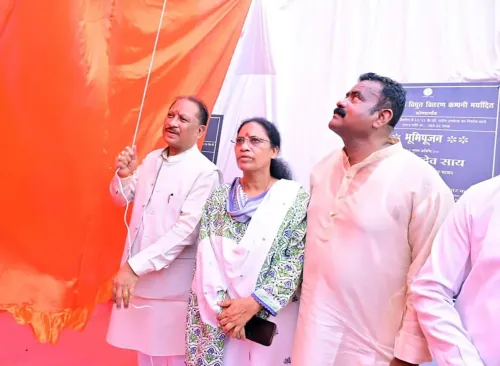
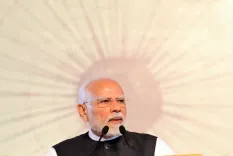
Chhattisgarh Chief Minister Vishnu Deo Sai participated in Chhath Mahapurv at Chhath Ghat Kunkuri in Jashpur district on 16 November 2026, using the occasion to inaugurate local development projects and perform bhoomi pujans, blending cultural celebration with civic outreach.
Key Takeaways
Vishnu Deo Sai attended Chhath Mahapurv celebrations at Chhath Ghat Kunkuri in Jashpur district, Chhattisgarh on 16 November 2026 .
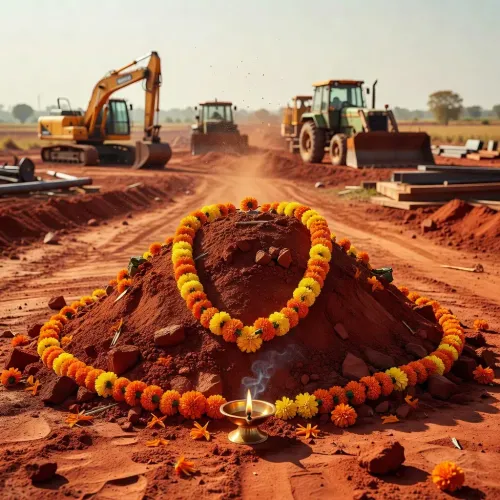
The visit combined religious observance with lokarpan (inauguration of development works) and bhoomi pujan (ground-breaking ceremonies) at the ghat.
Kunkuri is located in Jashpur district , the Chief Minister's home district, making the visit politically and culturally significant.
Chhath Puja has grown into a widely observed festival across Chhattisgarh, prompting increased state investment in ghat infrastructure.
CM Sai has held office since December 2023 , following the BJP's assembly election victory in the state.
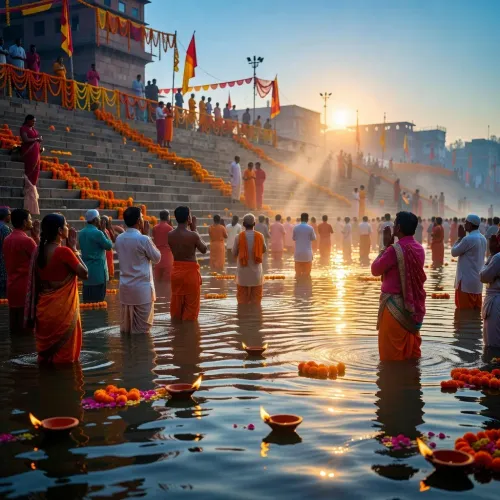
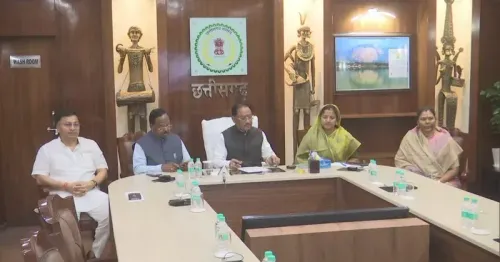
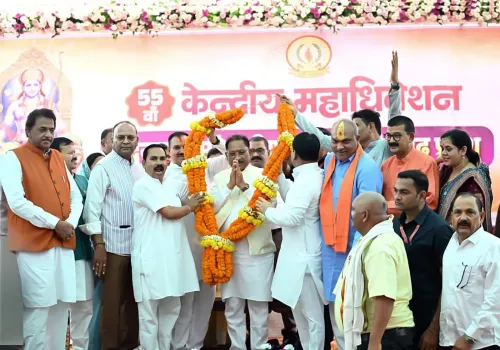
At the sacred river's edge in Kunkuri, Jashpur district, the sounds of devotional hymns mingled with the promise of new civic infrastructure on Monday, 16 November 2026, as Chhattisgarh Chief Minister Vishnu Deo Sai marked Chhath Mahapurv by presiding over both the religious celebration and a round of development inaugurations and bhoomi pujans at the festival ghat.
Chhath at Kunkuri: Faith and Civic Works at the Same Ghat
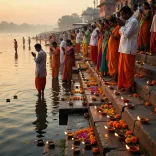
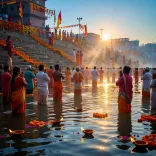
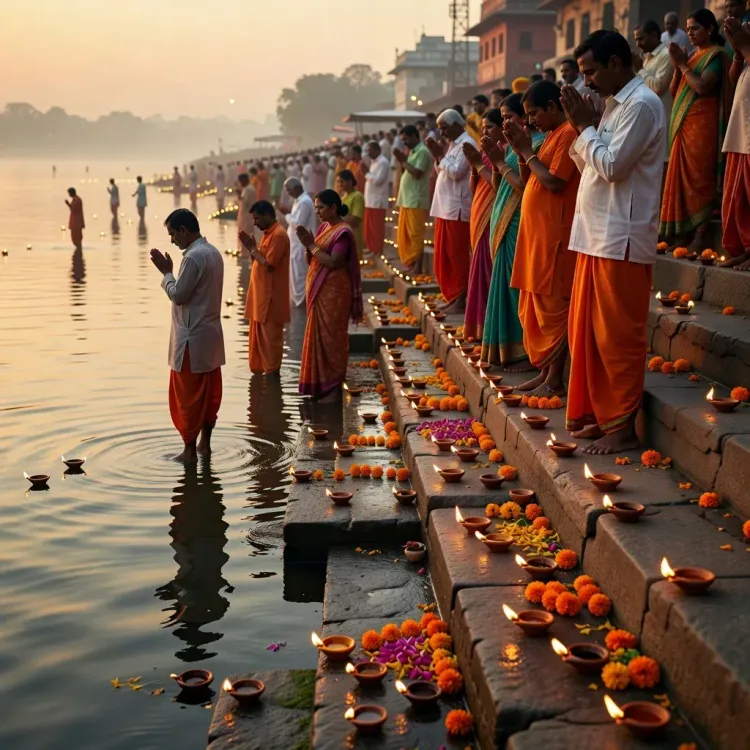
Chhath Puja, one of the most demanding and reverential festivals in the Hindu calendar, centres on extended fasting and offerings to the Sun God at river ghats — rituals that draw enormous community participation across Chhattisgarh and neighbouring states. Kunkuri, a town in the tribal-majority Jashpur district, hosts its own ghat celebrations that have grown in scale over recent years, reflecting the festival's expanding footprint in the state's cultural landscape.
Chief Minister Sai's visit wove together the spiritual occasion with what his post describes as vikas karyon ka lokarpan aur bhoomi pujan — the public dedication and ground-breaking of local development works. The specific projects were announced via a live broadcast linked in the post, though their precise details could not be independently verified at the time of publication.
A Familiar BJP Playbook — Culture Meets Concrete
The combination is a well-worn but effective one for state governments across India: anchor a high-visibility festival appearance to a tangible infrastructure announcement, so that the chief minister is seen not merely as a political participant but as a deliverer of local progress. For Vishnu Deo Sai, who assumed the Chief Minister's office in December 2023 following the BJP's strong assembly election performance, engagements like Kunkuri reinforce outreach to the state's diverse, often rural, communities.
Jashpur district carries particular significance: it is the CM's home district and a constituency that the BJP has worked to consolidate over successive election cycles. Combining Chhath reverence with bhoomi pujans at the local ghat speaks directly to everyday aspirations — better ghats, better access, better amenities — while the festival setting ensures the moment resonates emotionally far beyond a routine ribbon-cutting.
Chhath's Growing Reach in Chhattisgarh
Chhath Puja has grown from a festival associated primarily with migrant communities from Bihar and eastern Uttar Pradesh into a widely observed event across Chhattisgarh. State administrations have responded by upgrading ghat infrastructure, managing crowd logistics, and ensuring clean river access — making Chhath ghats a genuine focus of civic investment rather than just ceremonial attention.
The Kunkuri event, then, is both a cultural moment and a small data point in a larger pattern: the state government's effort to blend identity, faith, and development into a single, legible narrative heading into the second half of its term.
As the diyas float downstream and the foundation stones are laid, the question Kunkuri residents will watch most closely is how quickly the announced works actually break ground — and whether this ghat looks different by next Chhath.
Point of View
Jashpur is home turf, and anchoring development announcements to Chhath gives them an emotional resonance that a routine press release cannot replicate. As his government enters the second half of its first term, events like these serve the dual purpose of maintaining grassroots connectivity and keeping the development narrative alive in areas where voter expectations run high.
NationPress
16 Nov 2026
Frequently Asked Questions
What is Chhath Mahapurv and why is it significant in Chhattisgarh?
Chhath Mahapurv is a major Hindu festival dedicated to the Sun God, involving fasting and ghat-side rituals. It has grown significantly in Chhattisgarh in recent years, drawing large community participation and increased state investment in river-ghat infrastructure.
Where is Kunkuri located and why did CM Sai visit?
Kunkuri is a town in Jashpur district, Chhattisgarh — also the Chief Minister's home district. CM Vishnu Deo Sai visited on 16 November 2026 to participate in Chhath celebrations and preside over local development inaugurations and bhoomi pujans at the Chhath Ghat.
What development works were inaugurated at Chhath Ghat Kunkuri?
CM Sai announced lokarpan (inauguration) of development works and bhoomi pujan (ground-breaking) at Chhath Ghat Kunkuri. The specific projects were detailed in a live broadcast; their precise nature has not been independently confirmed.
When did Vishnu Deo Sai become Chief Minister of Chhattisgarh?
Vishnu Deo Sai assumed office as Chief Minister of Chhattisgarh in December 2023 after the BJP won the state assembly elections.
Is it common for Indian chief ministers to attend Chhath Puja events?
Yes. State chief ministers across India routinely attend Chhath Puja events at prominent ghats to engage with communities, and often link such visits to local infrastructure announcements, combining cultural participation with civic outreach.