CM Sai Backs Anti-Cheat Exam Bill, Cites Tribal NEET Wins
Synopsis
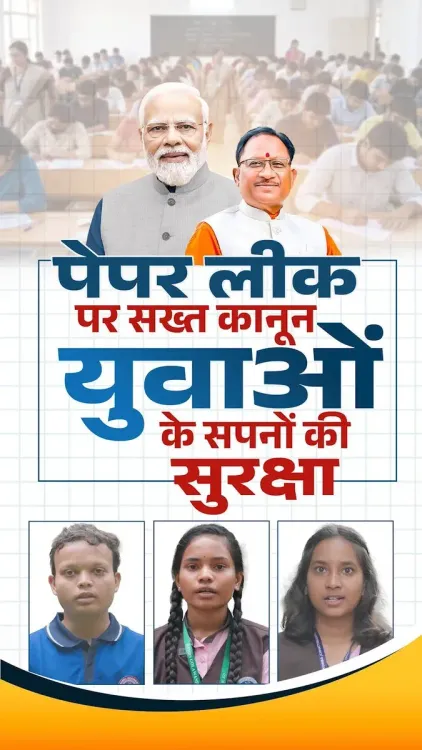
Chhattisgarh CM Vishnu Deo Sai backed the Public Examinations (Prevention of Unfair Means) Amendment Bill, 2026, crediting PM Modi's 'double engine government' and highlighting NEET successes among tribal Eklavya school students as evidence of the law's significance.
Key Takeaways
CM Vishnu Deo Sai publicly endorsed the Public Examinations (Prevention of Unfair Means) Amendment Bill, 2026 on 1 August 2026 .
The bill is an amendment to the Public Examinations (Prevention of Unfair Means) Act, 2024 , introduced after widespread paper leak scandals in 2023-24 .
Successful NEET candidates from Chhattisgarh's Eklavya Model Residential Schools — a scheme targeting tribal students — reportedly expressed gratitude for the legislation.
Eklavya Model Residential Schools are a central government initiative providing residential education to Scheduled Tribe communities.
CM Sai framed the bill within the BJP's 'double engine government' model, linking central legislation to state-level educational outcomes.
State-level enforcement of the law and its effect on exam conduct in Chhattisgarh will be a key indicator to watch in the 2026-27 exam cycle.
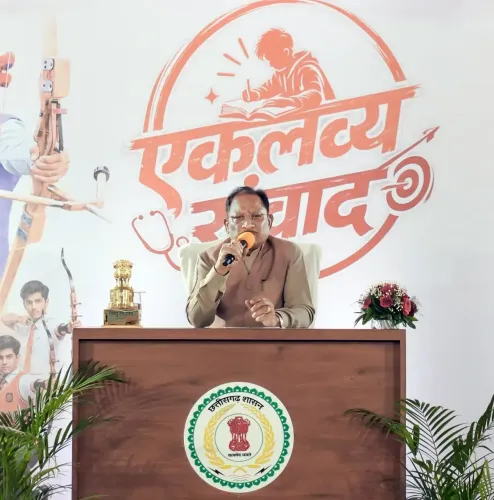
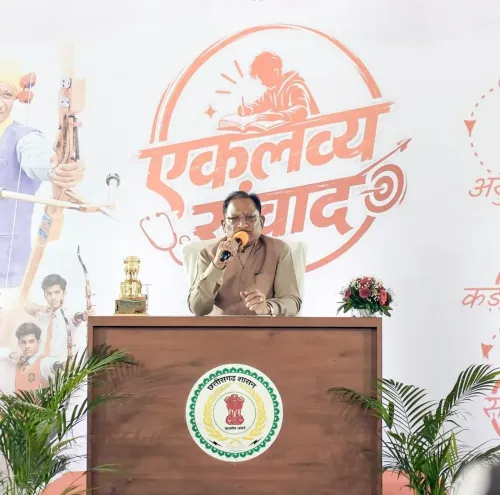
A law to protect India's most vulnerable exam-takers. Chhattisgarh Chief Minister Vishnu Deo Sai on Saturday, 1 August 2026, threw his weight behind the Public Examinations (Prevention of Unfair Means) Amendment Bill, 2026, calling it a historic decision that secures fair examinations and the futures of India's youth.
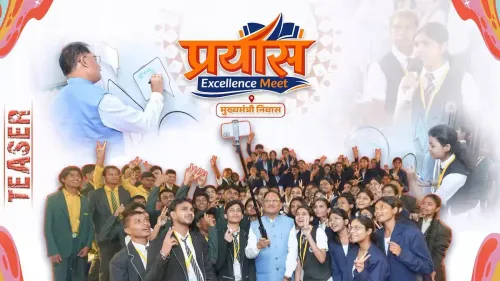
In his post, CM Sai wrote: 'यशस्वी प्रधानमंत्री श्री नरेंद्र मोदी जी के नेतृत्व में लाया गया... ऐतिहासिक निर्णय है' — describing the bill brought under Prime Minister Narendra Modi's leadership as 'a historic decision that secures a fair examination system and the future of youth.' He specifically highlighted that successful NEET candidates from Chhattisgarh's Eklavya Model Residential Schools expressed gratitude to the Prime Minister and the 'double engine government' for the legislation.
From Paper Leaks to Legislation: The Road the Bill Travelled
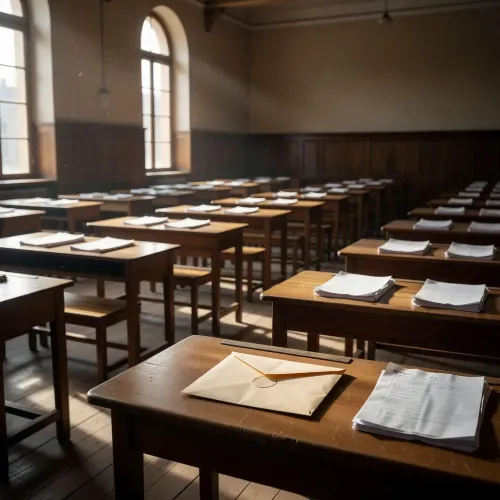
The amendment builds on the Public Examinations (Prevention of Unfair Means) Act, 2024, which the central government introduced after a cascade of paper leak scandals rocked high-stakes exams — including NEET — in 2023 and 2024. Those incidents did not just cancel tests; they erased months of preparation for millions of aspirants and triggered a national reckoning over examination integrity. The 2024 law introduced stringent penalties for organised malpractice. The 2026 amendment represents the next legislative step in that effort.Eklavya Schools and the NEET Milestone
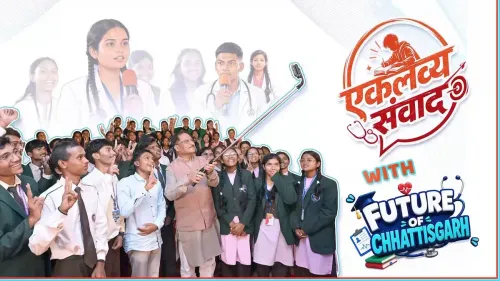
The students CM Sai invoked are not incidental to the story. Eklavya Model Residential Schools are a central government scheme designed to deliver quality residential education to tribal communities — among the most underserved demographics in India's education system. When students from these schools clear NEET, it signals that the pipeline from remote tribal habitations to medical colleges is working. CM Sai's framing ties the anti-cheat legislation directly to those outcomes: clean exams, the argument goes, are what make those hard-won results meaningful.BJP's 'Double Engine' Logic on Display
The post is also a textbook deployment of the Bharatiya Janata Party's 'double engine government' messaging — the idea that a BJP state government and a BJP central government working in tandem deliver faster, more aligned outcomes for citizens. By presenting tribal NEET successes as a product of that alignment, CM Sai knits together education policy, tribal welfare, and electoral positioning in a single gesture. Chhattisgarh, a state with a significant Scheduled Tribe population, is a natural arena for that narrative. The real test of the legislation's impact will come in the 2026-27 examination cycle — and in whether state-level enforcement mechanisms in Chhattisgarh and elsewhere translate the law's intent into clean, credible exams on the ground.Point of View
Elevates the 'double engine' governance narrative ahead of potential electoral cycles, and anchors tribal welfare — a sensitive political terrain in Chhattisgarh — to a tangible legislative win. The invocation of Eklavya school NEET candidates is particularly sharp; it humanises an abstract law and insulates it from opposition critique by placing tribal students at its centre. Broader context matters here: the 2024 anti-cheat law emerged from a genuine credibility crisis in India's examination system, so the 2026 amendment signals that the government views legislative reinforcement, not just administrative fixes, as the durable solution.
NationPress
15 Sept 2026
Frequently Asked Questions
What is the Public Examinations (Prevention of Unfair Means) Amendment Bill 2026?
It is a 2026 amendment to the Public Examinations (Prevention of Unfair Means) Act, 2024 , which introduced strict penalties for paper leaks and malpractice in government-conducted exams. The amendment is presented as a further step to strengthen examination integrity in India.
Why did Chhattisgarh CM Vishnu Deo Sai praise this bill?
CM Vishnu Deo Sai praised the bill on 1 August 2026 , citing successful NEET candidates from Chhattisgarh's Eklavya Model Residential Schools who expressed gratitude for the legislation, framing it as a win for tribal youth and fair examinations.
What are Eklavya Model Residential Schools?
Eklavya Model Residential Schools (EMRS) are a central government scheme that provides quality residential education to students from Scheduled Tribe communities in remote areas. Chhattisgarh, with a significant tribal population, has several such schools.
What triggered India's anti-exam-cheat legislation in the first place?
A series of paper leak scandals in 2023 and 2024 — including incidents affecting the NEET medical entrance exam — eroded public confidence in high-stakes examinations, prompting the central government to pass the Public Examinations (Prevention of Unfair Means) Act, 2024 .
What is the 'double engine government' the CM referred to?
'Double engine government' is a BJP political phrase describing the alignment between a BJP-led state government and the BJP-led central government , arguing that this synchrony delivers faster and more effective governance outcomes for citizens.