CM Sai Credits Modi as World Bank Cites 500 mn Out of Poverty
Synopsis
Citing a World Bank report that claims nearly 500 million Indians escaped poverty in 12 years, Chhattisgarh CM Vishnu Deo Sai praised PM Modi's welfare and antyodaya-driven governance as the driving force behind the milestone.
Key Takeaways
Chhattisgarh Chief Minister Vishnu Deo Sai credited PM Narendra Modi after a World Bank report reportedly found nearly 500 million Indians lifted out of poverty over 12 years .
Sai described the finding as a 'golden chapter' and cited the PM's commitment to garib kalyan and antyodaya .
Flagship central schemes including PM Awas Yojana and PM Ujjwala Yojana form the policy backbone of the BJP's poverty-reduction claim.
The specific World Bank report and the 50 crore figure cited in the post have not been independently verified.
Chhattisgarh, under BJP rule since December 2023 , routinely aligns its messaging with national welfare narratives, given the state's large tribal and rural population.
NITI Aayog's upcoming multidimensional poverty index update could add — or complicate — the data picture.
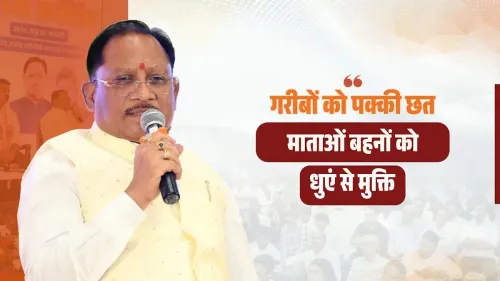
A World Bank report claiming that nearly 500 million Indians have escaped poverty over the past 12 years has drawn a pointed tribute from Chhattisgarh Chief Minister Vishnu Deo Sai, who called the milestone a 'golden chapter' in the country's development journey — and placed the credit squarely at the door of Prime Minister Narendra Modi.
Posting on Saturday, 21 November 2026, CM Sai wrote in Hindi that the achievement was proof of PM Modi's 'visionary leadership and unwavering commitment to garib kalyan [welfare of the poor] and antyodaya [uplift of the last person in line].' He thanked the Prime Minister for bringing 'dignity, security, and prosperity' to crores of poor families through welfare schemes.
The Antyodaya Framework Behind the Claim
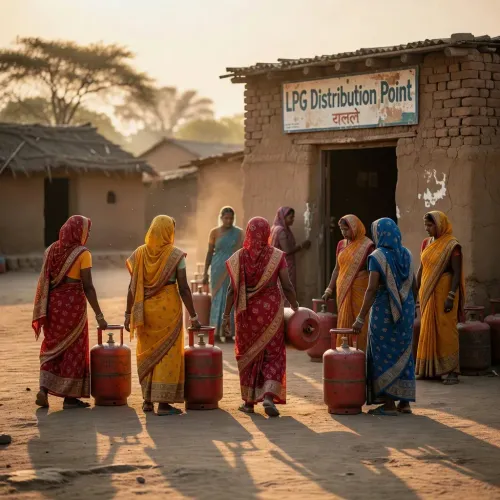
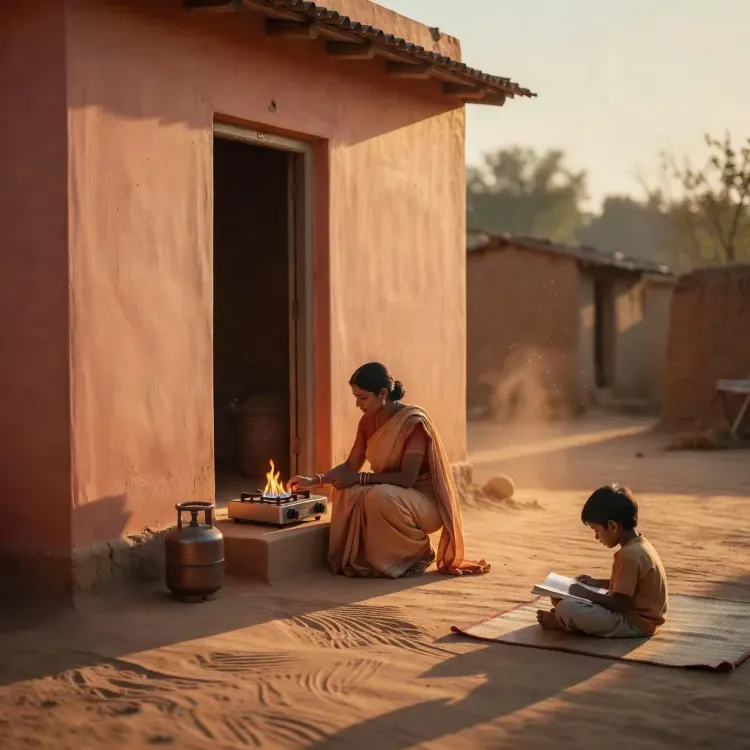
The reference to antyodaya — a philosophy of prioritising the most marginalised — is not incidental. Since 2014, the central government has built its welfare architecture around this principle, launching flagship schemes including PM Awas Yojana (affordable housing) and PM Ujjwala Yojana (clean cooking fuel for low-income households). These programmes have served as the primary policy instruments the BJP cites when making the case for poverty reduction at scale.
The World Bank periodically tracks poverty trends across member countries using consumption-based data, and its findings carry significant weight in both policy circles and political messaging. It is worth noting that the specific report cited by CM Sai and the precise figure of 50 crore people lifted out of poverty have not been independently verified from available data.
Chhattisgarh's Voice in a National Narrative
Chhattisgarh, which returned to BJP rule in December 2023 with Sai taking over as Chief Minister, has consistently aligned its communications with the central government's poverty-alleviation narrative. For a state where tribal and rural communities make up a substantial share of the population, welfare delivery — housing, food security, energy access — is not merely political messaging; it is a genuine administrative priority.
Sai's post is a textbook example of how BJP-governed states amplify national data points to reinforce the 'Modi guarantee' brand ahead of any electoral or policy cycle. The language of samman, suraksha aur samridhdhi — dignity, security, and prosperity — mirrors the vocabulary deployed in central government campaigns across the country.
With NITI Aayog expected to release updated multidimensional poverty index figures in the coming months, the political and policy stakes around India's poverty narrative are only going to rise. If those numbers align with the World Bank signal, the BJP will have a powerful new data point. If they diverge, the debate will sharpen fast.
Point of View
The BJP amplifies an international imprimatur for its welfare record while reinforcing the 'Modi guarantee' brand. The antyodaya framing is deliberate — it connects a macroeconomic statistic to the lived experience of the rural and tribal poor, the BJP's core constituency in states like Chhattisgarh. However, the unverified nature of the specific report means the claim remains contested terrain. The real test will come when NITI Aayog's multidimensional poverty numbers land — if they corroborate the World Bank signal, the narrative will be near-unassailable; if they don't, the gap will become an opposition talking point.
NationPress
21 Nov 2026
Frequently Asked Questions
What did the World Bank report say about poverty in India?
CM Vishnu Deo Sai cited a World Bank report claiming that nearly 500 million Indians — roughly 50 crore people — have been lifted out of poverty over the past 12 years, calling it a landmark in India's development story. The specific report has not been independently verified.
Why did Chhattisgarh CM Vishnu Deo Sai praise PM Modi?
Sai credited PM Modi's visionary leadership and commitment to antyodaya — the philosophy of uplifting the last person in line — for driving the poverty reduction highlighted in the World Bank report, citing flagship welfare schemes as the instruments of change.
What are the key welfare schemes linked to India's poverty reduction claims?
The BJP government has primarily pointed to PM Awas Yojana, which provides affordable housing, and PM Ujjwala Yojana, which delivers clean cooking fuel to low-income households, as the cornerstones of its poverty-alleviation architecture since 2014.
What is antyodaya and why does it matter in Indian welfare policy?
Antyodaya literally means 'rise of the last' and refers to a governance philosophy that prioritises the most marginalised members of society. It has been a central pillar of the BJP's welfare messaging since 2014, shaping the design of multiple central government schemes.
What poverty data is expected from India next?
NITI Aayog is expected to release updated multidimensional poverty index figures that will provide a more granular, domestic view of poverty trends across Indian states, which analysts will compare against the World Bank's figures.