CM Vishnu Deo Sai Marks 12 Years of Modi Govt Health Reforms
Synopsis
Chhattisgarh Chief Minister Vishnu Deo Sai on 14 June 2026 marked twelve years of Modi government health reforms, highlighting Ayushman Bharat, Jan Aushadhi Kendras, and vaccination drives as cornerstones of India's push toward universal health coverage and a 'Developed India'.
Key Takeaways
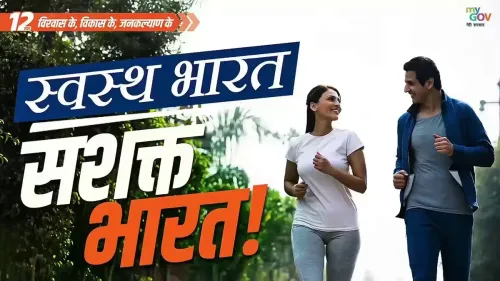
CM Vishnu Deo Sai posted on 14 June 2026 under #12YearsOfSwasthBharat to mark a decade-plus of Union health reforms.
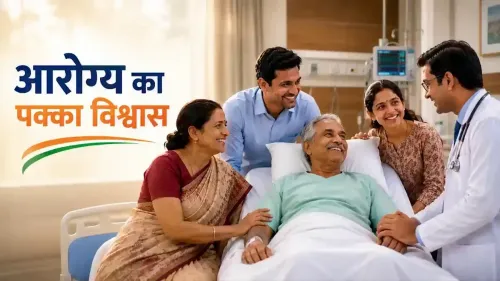
Ayushman Bharat PM-JAY , launched September 2018 , offers up to Rs 5 lakh annual hospitalisation cover per family and is billed as the world's largest publicly funded health insurance scheme.
Jan Aushadhi Kendras under the Pradhan Mantri Bharatiya Janaushadhi Pariyojana provide quality generic medicines at significantly reduced prices.
Mission Indradhanush , launched December 2014 , targeted routine immunisation gaps in high-risk districts across India.
CM Sai linked the health agenda directly to the 'Viksit Bharat' vision, framing healthy citizens as the nation's 'greatest strength'.
State-level utilisation and budget data for Chhattisgarh will be a key benchmark at the next Union Health Ministry review.
Chhattisgarh Chief Minister Vishnu Deo Sai on Sunday, 14 June 2026 took to X to mark twelve years of health sector reforms under Prime Minister Narendra Modi, citing flagship initiatives such as Ayushman Bharat and Jan Aushadhi Kendras as transformative milestones for millions of Indian families.
Context
Posting under the hashtag #12YearsOfSwasthBharat, CM Sai opened with the Sanskrit aphorism 'Aarogyam Paramam Bhaagyam' — meaning 'Health is the greatest fortune' — before asserting that 'healthy citizens are the greatest strength of a developed India.' The post is part of a coordinated BJP celebration of twelve years since Narendra Modi assumed office as Prime Minister in May 2014.
Sai credited the Modi government with bringing 'historic transformation' to the health sector over the past twelve years, pointing specifically to affordable medicine access, expanded health budgets, and comprehensive vaccination drives as pillars of this change.
Policy Backdrop
Ayushman Bharat Pradhan Mantri Jan Arogya Yojana (PM-JAY), launched in September 2018, provides up to Rs 5 lakh annual health cover per family for secondary and tertiary hospitalisation, and is frequently described by the government as the world's largest publicly funded health insurance scheme. The programme targets economically vulnerable households and is implemented jointly by the Union government and states, including Chhattisgarh.
The Pradhan Mantri Bharatiya Janaushadhi Pariyojana, expanded significantly from 2014 onwards, operates a network of Jan Aushadhi Kendras that dispense quality generic medicines at prices well below branded equivalents. Alongside these, Mission Indradhanush, launched in December 2014, accelerated routine immunisation in high-risk districts — the vaccination drive CM Sai referenced in his post.
Successive Union budgets have increased central allocations to the health sector, with the stated policy objective of reducing catastrophic out-of-pocket expenditure and moving India toward universal health coverage benchmarks outlined in the National Health Policy.
Stakeholders and Impact
The schemes highlighted by CM Sai primarily target low-income families and rural households who previously faced high out-of-pocket costs for hospitalisation and medicines. Chhattisgarh, a state with significant tribal and rural populations, has been an active implementing partner for centrally sponsored health programmes through shared financing and administrative frameworks.
CM Sai's post frames the health agenda as integral to the broader 'Viksit Bharat' — or 'Developed India' — vision, describing the journey as driven by 'seva, samvedna aur sushasan' (service, compassion, and good governance). The messaging underscores the ruling party's effort to position public health delivery as a central electoral and governance achievement.
What's Next
Attention is likely to turn to state-level utilisation figures and budget allocations for Ayushman Bharat and Jan Aushadhi in Chhattisgarh at the next Union Health Ministry review. As BJP governments in states amplify the '12 years' narrative, ground-level data on enrolment, claim settlement rates, and medicine outlet density will be key metrics that independent assessors and opposition parties are expected to scrutinise. The degree to which Chhattisgarh's own health indicators have converged with national averages will shape the credibility of the broader health-reform story going forward.
Point of View
Timed to reinforce the party's governance record ahead of potential electoral cycles. By anchoring the message in universally resonant themes — affordable medicines, insurance cover, and vaccination — the post sidesteps contentious policy debates and appeals to a broad base of beneficiaries. The invocation of 'Viksit Bharat' connects routine health messaging to the ruling party's long-term national branding exercise. Whether the on-ground delivery in a state like Chhattisgarh, with its significant tribal and rural population, matches the rhetorical ambition is the question independent health analysts will continue to press.
NationPress
23 Sept 2026
Frequently Asked Questions
What is Ayushman Bharat and who does it cover?
Ayushman Bharat PM-JAY is a government-funded health insurance scheme launched in September 2018 that provides up to Rs 5 lakh annual hospitalisation cover per family, targeting economically vulnerable households across India, including in Chhattisgarh.
What are Jan Aushadhi Kendras?
Jan Aushadhi Kendras are government-backed outlets that sell quality generic medicines at prices significantly lower than branded drugs, operating under the Pradhan Mantri Bharatiya Janaushadhi Pariyojana expanded from 2014 onwards.
Why did CM Vishnu Deo Sai post about health reforms on 14 June 2026?
CM Sai's post is part of BJP's '#12YearsOfSwasthBharat' campaign marking twelve years since Narendra Modi became Prime Minister in May 2014, celebrating health sector milestones of the Union government.
What is Mission Indradhanush?
Mission Indradhanush is a Union government immunisation programme launched in December 2014 to accelerate routine vaccination coverage in high-risk and underserved districts across India.
What does 'Viksit Bharat' mean in the context of this post?
'Viksit Bharat' translates to 'Developed India' and is the BJP-led Union government's overarching vision for national development; CM Sai used the term to link improved public health outcomes directly to this broader national goal.