Chhattisgarh CMO Highlights 12 Years of Modi Govt Health Reforms
Synopsis
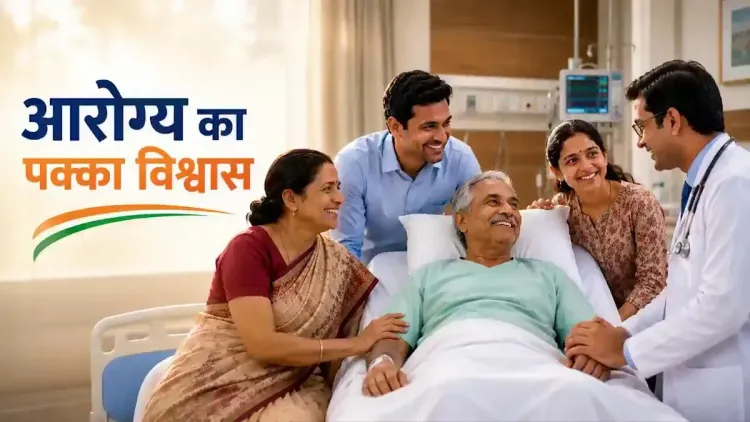
The Chief Minister's Office of Chhattisgarh marked 12 years of Modi government health policy on June 14, 2026, highlighting Jan Aushadhi Kendras and a raised health budget as pillars of transformation, framing healthy citizens as the foundation of a developed India.
Key Takeaways
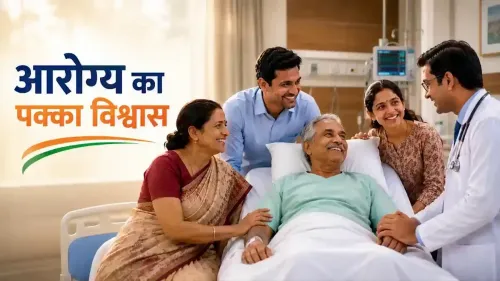
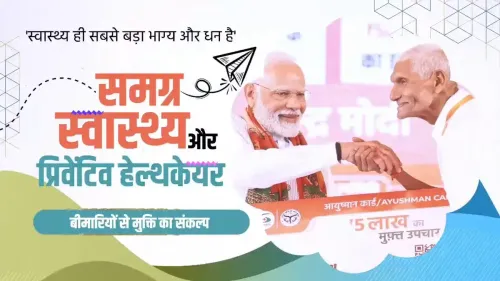
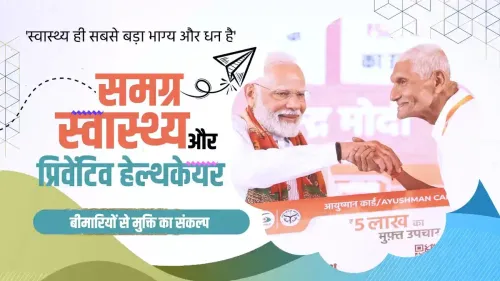
The Chhattisgarh CMO posted on June 14, 2026 , invoking the Sanskrit phrase Aarogyam Paramam Bhagyam to frame health as a national priority.
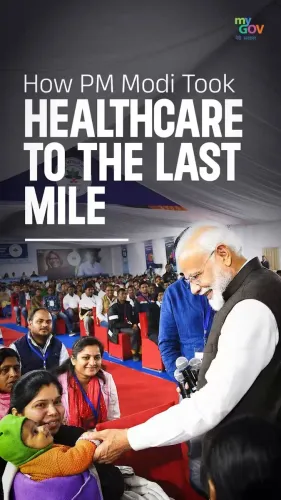
The post credits 12 years of the Modi government with 'unprecedented transformation' in India's health sector.
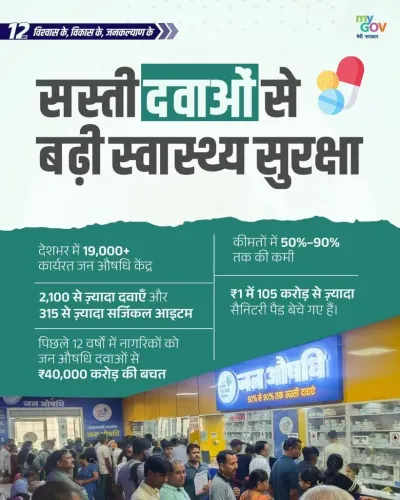
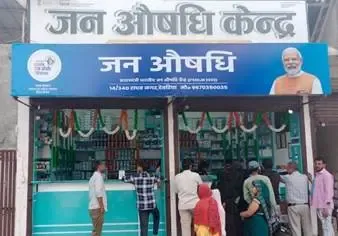
Jan Aushadhi Kendras , established under the Pradhan Mantri Bharatiya Janaushadhi Pariyojana from 2015 , are cited as a key vehicle for delivering affordable generic medicines.
Ayushman Bharat PM-JAY , launched in 2018 , extended hospitalisation cover to economically weaker households nationwide.
The post reflects a broader pattern of state-level amplification of central health schemes by ruling-party-aligned state governments.
Further data on Jan Aushadhi Kendra expansion within Chhattisgarh and state health budget allocations are expected to follow.
The Chief Minister's Office of Chhattisgarh on Sunday, June 14, 2026, invoked the Sanskrit maxim 'Aarogyam Paramam Bhagyam' ('Health is the greatest fortune') to mark 12 years of health-sector transformation under Prime Minister Narendra Modi, pointing to an expanded health budget and the spread of Jan Aushadhi Kendras as landmark achievements.
Context
The post, shared in Hindi, opens with a classical Sanskrit saying — 'Aarogyam Paramam Bhagyam' — before asserting that 'healthy citizens are the greatest strength of a developed nation.' It then credits the Modi government's 12-year tenure with 'unprecedented transformation' in healthcare, specifically citing a raised health budget and the availability of affordable medicines through Jan Aushadhi Kendras.
The message is a state-government amplification of central health policy milestones, a pattern common among ruling-party-aligned state administrations when marking anniversaries of the national government.
Policy Backdrop
The Pradhan Mantri Bharatiya Janaushadhi Pariyojana, scaled up from 2015 onward, established Jan Aushadhi Kendras across the country to supply quality generic medicines at significantly lower prices, reducing out-of-pocket healthcare expenditure for ordinary citizens.
A parallel pillar, the Ayushman Bharat Pradhan Mantri Jan Arogya Yojana, launched in 2018, extended secondary and tertiary hospitalisation coverage to economically weaker households — together forming the two most visible planks of the central government's health architecture over the past decade.
Successive Union Budgets since 2014 have progressively raised the share of allocation to the health sector, a trend the Chhattisgarh CMO post implicitly references when it speaks of a 'raised health budget.'
Stakeholders and Impact
The primary beneficiaries of these schemes are low-income and middle-income citizens who previously bore heavy out-of-pocket costs for medicines and hospitalisation. Jan Aushadhi Kendras have been particularly relevant in states like Chhattisgarh, where a significant share of the population depends on public health infrastructure.
For the state government, associating itself with central health milestones serves a dual purpose: reinforcing the BJP's governance narrative at the national level while signalling alignment between Raipur and New Delhi on health policy priorities.
What's Next
Attention will now turn to state-level rollout data — specifically, the number of Jan Aushadhi Kendras operational in Chhattisgarh and the quantum of savings passed on to patients — figures the CMO's office is expected to detail in forthcoming communications.
Any supplementary health allocations in Chhattisgarh's next budget cycle will be a key indicator of how deeply the state intends to co-invest alongside central schemes, as the broader national push toward universal health coverage continues.
Point of View
The post stops short of citing specific figures, a caution consistent with the research flagging unverified budget and facility counts. The broader arc here is one of cooperative federalism in health: states like Chhattisgarh increasingly frame their own health credibility through the lens of central scheme adoption, making the political and administrative narratives difficult to disentangle.
NationPress
14 Sept 2026
Frequently Asked Questions
What is Jan Aushadhi Kendra and how does it help patients?
A Jan Aushadhi Kendra is a government-backed retail outlet under the Pradhan Mantri Bharatiya Janaushadhi Pariyojana that sells quality generic medicines at prices significantly lower than branded equivalents, reducing out-of-pocket expenditure for ordinary citizens.
What did the Chhattisgarh CMO post about health on June 14 2026?
The Chhattisgarh Chief Minister's Office posted a tribute to 12 years of health-sector reforms under PM Modi, highlighting a raised health budget and the expansion of Jan Aushadhi Kendras for affordable medicines.
What is Ayushman Bharat PM-JAY?
Ayushman Bharat Pradhan Mantri Jan Arogya Yojana, launched in 2018, provides secondary and tertiary hospitalisation coverage of up to Rs 5 lakh per year to economically weaker households across India.
How has India's health budget changed under the Modi government?
Successive Union Budgets since 2014 have progressively raised the share of allocation to the health sector, though the exact figures for any given year should be verified against official budget documents.
Why does the Chhattisgarh government promote central health schemes?
Chhattisgarh, governed by the BJP, routinely amplifies central government health initiatives to align state communication with the national party's governance narrative and to inform citizens about schemes they can access.