Chhattisgarh CMO hails last-mile healthcare under PM Modi
Synopsis
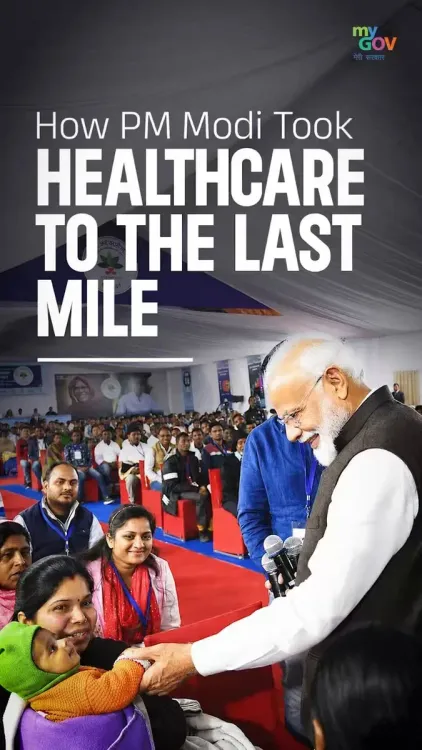
The Chhattisgarh CMO on 14 June 2026 spotlighted how Ayushman Bharat, Jan Aushadhi Kendras, Ayushman Arogya Mandirs, and Mission Indradhanush are together closing the cost and distance gap in healthcare for millions of rural and low-income citizens under PM Modi's leadership.
Key Takeaways
The Chief Minister's Office of Chhattisgarh posted on 14 June 2026 highlighting last-mile healthcare delivery under PM Narendra Modi .
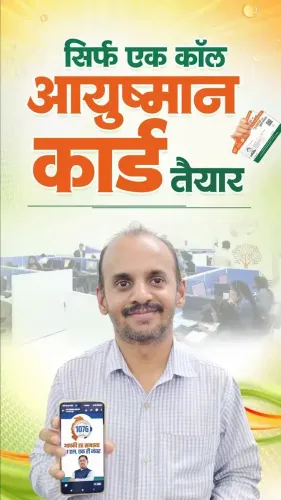
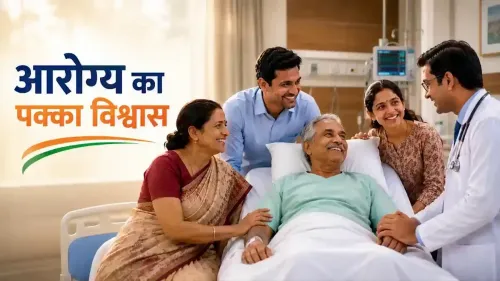
Ayushman Bharat PMJAY , launched in September 2018 , offers up to Rs 5 lakh annual health cover per family for low-income households.
Jan Aushadhi Kendras under the Pradhan Mantri Bhartiya Jan Aushadhi Pariyojana (relaunched 2015 ) supply generic medicines at substantially reduced prices.
Ayushman Arogya Mandirs provide comprehensive primary care including diagnostics and telemedicine at the village level.
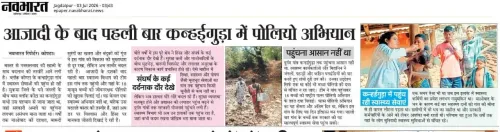
Mission Indradhanush , initiated in December 2014 , targets immunisation gaps among children and pregnant women in underserved areas.
Chhattisgarh's large rural and tribal population makes it a key implementation state for this integrated federal health framework.
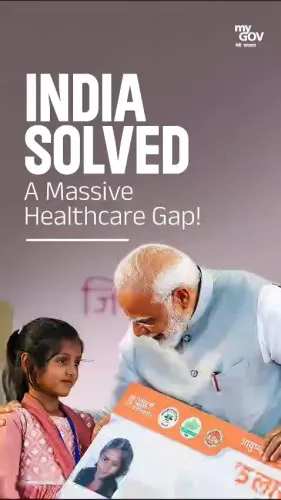
The Chief Minister's Office of Chhattisgarh on Sunday, 14 June 2026 highlighted the transformative reach of central health programmes, crediting Prime Minister Narendra Modi's leadership for making healthcare affordable and accessible to millions who were once priced out or geographically excluded from the system.
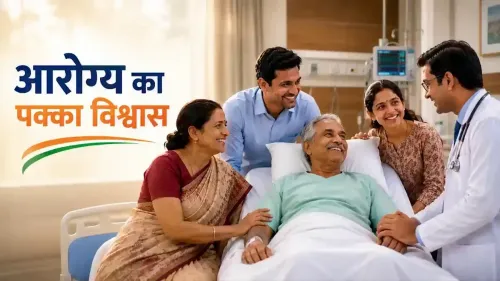
The post declared, 'Healthcare was once too costly and too far for millions. Today under the leadership of PM Modi, Ayushman Bharat, Jan Aushadhi Kendras, Ayushman Arogya Mandirs, and Mission Indradhanush are ensuring affordable' healthcare — framing the convergence of these four flagship programmes as the fulfilment of a last-mile delivery promise.
Context
Chhattisgarh is a central Indian state with large rural and tribal populations where geographic isolation and poverty have historically kept formal healthcare out of reach. The state's adoption of the Union government's integrated health framework has been positioned as a direct response to these structural barriers. The CMO's post underscores that this gap is now being bridged through a multi-pronged federal effort.
Policy Backdrop
Ayushman Bharat Pradhan Mantri Jan Arogya Yojana, launched in September 2018, provides up to Rs 5 lakh health insurance cover per family, targeting low-income households. Complementing it, Ayushman Arogya Mandirs — rebranded from Health and Wellness Centres — deliver comprehensive primary care including diagnostics and telemedicine at the village level.
The Pradhan Mantri Bhartiya Jan Aushadhi Pariyojana, relaunched in 2015, underpins the Jan Aushadhi Kendras network, supplying quality generic medicines at substantially reduced prices. Mission Indradhanush, initiated in December 2014, has driven intensified immunisation campaigns to close coverage gaps among children and pregnant women in high-risk and underserved areas. Together, these schemes reflect the vision articulated in the National Health Policy 2017 of achieving universal health coverage through strengthened primary care and financial protection.
Stakeholders and Impact
Rural households and low-income families stand as the primary beneficiaries of this layered framework. For Chhattisgarh's tribal communities in particular, the convergence of insurance, affordable medicines, primary-care infrastructure, and immunisation represents a qualitative shift in access. The model mirrors approaches adopted in other states with significant remote or tribal populations.
Since 2014, the Union government has systematically layered these four pillars — insurance, medicine price control, primary-care infrastructure, and targeted immunisation — into a single delivery architecture implemented through state governments. Chhattisgarh's integration of this model is consistent with the broader national pattern of reducing both financial and geographic barriers to care.
What's Next
Attention will now turn to state-level utilisation data for Ayushman Bharat and Arogya Mandirs in the forthcoming Chhattisgarh health budget, which will provide a clearer picture of on-ground penetration. Independent coverage surveys expected from the National Health Authority are also anticipated to offer a more granular assessment of last-mile delivery outcomes. If the data corroborates the CMO's claims, it could strengthen the case for deepening investment in the integrated model across similarly placed states.
Point of View
The office is reinforcing a 'whole-of-government' framing that credits federal architecture for grassroots outcomes — a pattern increasingly common among BJP-governed states. The emphasis on 'last mile' is significant: it shifts the policy conversation from scheme design to delivery, the harder and more politically resonant metric. Whether utilisation data from Chhattisgarh's health budget and National Health Authority surveys will substantiate this narrative remains the critical test.
NationPress
19 Sept 2026
Frequently Asked Questions
What is Ayushman Bharat and how does it help poor families in Chhattisgarh?
Ayushman Bharat Pradhan Mantri Jan Arogya Yojana, launched in September 2018, provides up to Rs 5 lakh in annual health insurance cover per low-income family for secondary and tertiary hospitalisation. In Chhattisgarh, it targets rural and tribal households that previously faced catastrophic out-of-pocket medical expenses.
What are Jan Aushadhi Kendras and where can I find one?
Jan Aushadhi Kendras are government-backed pharmacies that sell quality generic medicines at prices significantly lower than branded equivalents, operating under the Pradhan Mantri Bhartiya Jan Aushadhi Pariyojana relaunched in 2015. They are set up in government hospital premises, community health centres, and other accessible public locations across India.
What is the difference between Ayushman Arogya Mandirs and regular government hospitals?
Ayushman Arogya Mandirs are rebranded Health and Wellness Centres designed to deliver comprehensive primary care — including diagnostics, maternal health services, and telemedicine — at the sub-centre and primary health centre level, closer to villages. Regular government hospitals typically handle secondary and tertiary care and are located at block or district headquarters.
What is Mission Indradhanush and which vaccines does it cover?
Mission Indradhanush, launched in December 2014, is an intensified immunisation programme targeting children and pregnant women in districts with low vaccination coverage. It covers vaccines for diseases including tuberculosis, polio, diphtheria, pertussis, tetanus, hepatitis B, and measles, among others included in India's Universal Immunisation Programme.
How is Chhattisgarh implementing central health schemes for tribal communities?
Chhattisgarh, with its large rural and tribal population, has adopted the Union government's integrated health framework combining Ayushman Bharat insurance, Jan Aushadhi Kendras, Ayushman Arogya Mandirs for primary care, and Mission Indradhanush immunisation drives to reduce both financial and geographic barriers to healthcare access.