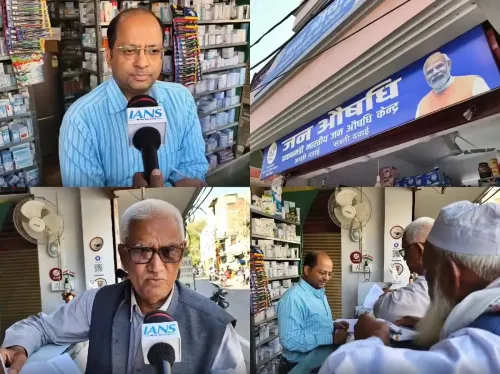
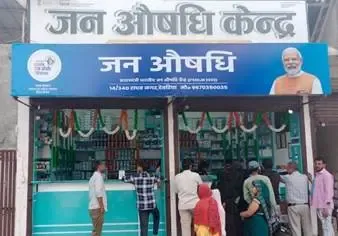
MP CM Office Highlights Jan Aushadhi, NHM Gains
Synopsis
The Chief Minister's Office of Madhya Pradesh has spotlighted Jan Aushadhi Kendras and the National Health Mission as key drivers of affordable, accessible healthcare — from generic medicines to safe motherhood — underscoring the state's alignment with India's universal health coverage goals.
Key Takeaways
The Chief Minister's Office of Madhya Pradesh on 14 June 2026 highlighted Jan Aushadhi Kendras and the National Health Mission for improving healthcare access.
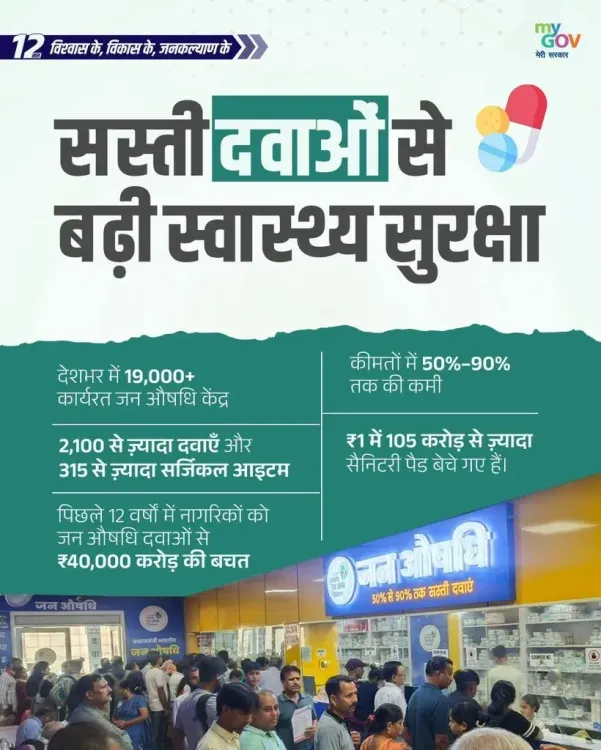
Jan Aushadhi Kendras under PMBJP supply generic medicines at 50–90% lower prices than branded equivalents.
The National Health Mission , launched in 2013 , integrates rural and urban health missions to strengthen primary care and maternal services.
Janani Suraksha Yojana , introduced in 2005 , provides cash incentives for institutional deliveries to reduce maternal mortality.
Key beneficiaries include low-income patients , pregnant women , and rural populations across Madhya Pradesh .
Next NHM annual review and state health budget will reveal updated outlet counts and maternal health metrics.
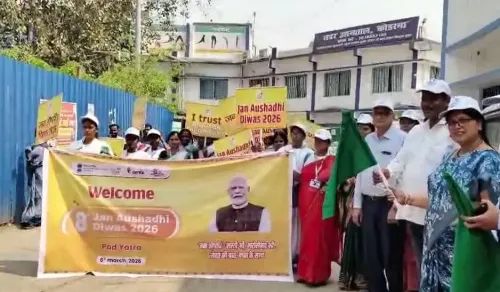
The Chief Minister's Office of Madhya Pradesh, on Sunday, 14 June 2026, highlighted the twin pillars of affordable healthcare in the state — Jan Aushadhi Kendras and the National Health Mission (NHM) — crediting them with making health services more accessible and effective for ordinary citizens, particularly low-income families and pregnant women.
The post, shared from the official @CMMadhyaPradesh handle, stated in Hindi: 'सस्ती दवाओं की उपलब्धता से लेकर सुरक्षित मातृत्व को बढ़ावा देने तक, जन औषधि केंद्रों और राष्ट्रीय स्वास्थ्य मिशन की पहलों ने स्वास्थ्य सेवाओं को अधिक सुलभ और प्रभावी बनाया है।' — translated: 'From ensuring availability of affordable medicines to promoting safe motherhood, the initiatives of Jan Aushadhi Kendras and the National Health Mission have made health services more accessible and effective.'
Context
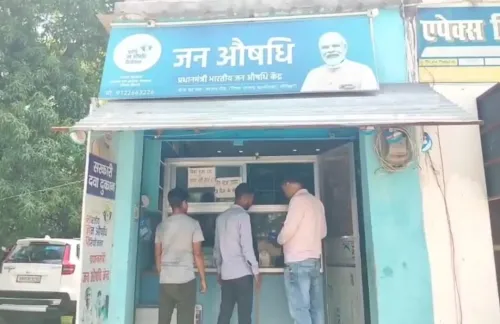
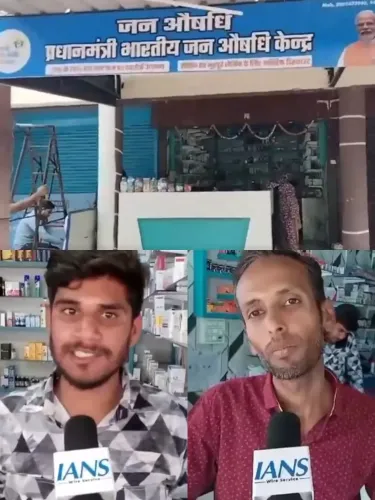
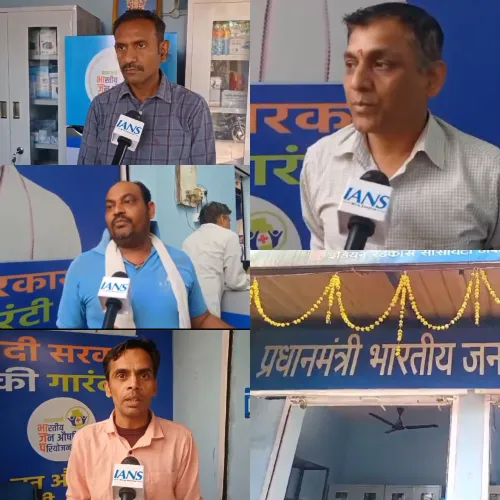
Jan Aushadhi Kendras operate under the Pradhan Mantri Bharatiya Janaushadhi Pariyojana (PMBJP), a central government scheme that supplies quality generic medicines at prices 50 to 90 per cent lower than branded equivalents. The scheme was first initiated in 2008 and received significant budgetary expansion from 2015 onward, with outlets now spread across urban and rural districts. For Madhya Pradesh, a state with a large rural population, these kendras serve as a frontline buffer against high out-of-pocket medical expenditure.
The National Health Mission, launched in 2013, brought together the earlier National Rural Health Mission (NRHM) — started in 2005 — and the National Urban Health Mission (NUHM) under a single framework. It focuses on strengthening primary healthcare, maternal and child health services, and disease control at the district and sub-district level across all states.
Policy Backdrop
Safe motherhood has been a specific focus within the NHM architecture through the Janani Suraksha Yojana (JSY), a conditional cash transfer scheme introduced in 2005 to incentivise institutional deliveries at accredited health facilities and reduce maternal mortality. The scheme targets women from below-poverty-line households and has been credited with a measurable shift toward facility-based births in high-focus states including Madhya Pradesh.
The CM Office's post aligns with India's broader national push toward universal health coverage — reducing the financial burden on households without creating new state-specific legislation, instead leveraging centrally sponsored mission-mode programmes implemented at the state and district level.
Stakeholders and Impact
The primary beneficiaries of both initiatives are low-income patients, pregnant women, and rural populations across Madhya Pradesh. Generic medicines available at Jan Aushadhi Kendras cover a wide range of therapeutic categories — from antibiotics and cardiovascular drugs to nutritional supplements — making sustained treatment affordable for chronic-disease patients who would otherwise depend on costlier branded formulations.
For pregnant women, the convergence of JSY cash incentives, NHM-supported sub-centres, and affordable medicine availability through Jan Aushadhi outlets creates a layered support system at the community level. Madhya Pradesh has consistently reported progress on institutional delivery rates under NHM frameworks, reflecting the cumulative effect of these interlocking programmes.
What's Next
Observers will look to the next Madhya Pradesh state health budget presentation and the annual NHM review report for updated figures on Jan Aushadhi outlet expansion, medicine procurement volumes, and maternal health indicators such as institutional delivery rates and maternal mortality ratios. These metrics will determine whether the momentum highlighted in the CM Office's communication translates into measurable year-on-year gains for the state's most vulnerable citizens.
As India continues its march toward universal health coverage, the model of aligning central scheme infrastructure with state-level outreach — as being showcased in Madhya Pradesh — is likely to serve as a template for other high-population, largely rural states.
Point of View
The office reinforces a dual message: fiscal relief for households and improved health outcomes for women. This pattern of amplifying centrally sponsored schemes through state social media channels has become a standard playbook for BJP-governed states seeking to demonstrate governance dividends. The real test, however, lies in the numbers — outlet density, medicine availability rates, and maternal mortality trends — that the next NHM review will need to substantiate.
NationPress
13 Sept 2026
Frequently Asked Questions
What are Jan Aushadhi Kendras and how do they help in Madhya Pradesh?
Jan Aushadhi Kendras are government-backed outlets under the Pradhan Mantri Bharatiya Janaushadhi Pariyojana that sell quality generic medicines at 50–90% lower prices than branded drugs. In Madhya Pradesh, they serve rural and low-income populations who face high out-of-pocket health expenses.
What is the National Health Mission and what does it do?
The National Health Mission, launched in 2013, is a central programme that integrates rural and urban health missions to strengthen primary healthcare, maternal services, and disease control across Indian states including Madhya Pradesh.
What is Janani Suraksha Yojana and who benefits from it?
Janani Suraksha Yojana is a conditional cash transfer scheme started in 2005 under the NHM that incentivises pregnant women from below-poverty-line households to deliver at accredited health facilities, helping reduce maternal mortality.
Why did the Madhya Pradesh CM Office post about health schemes on 14 June 2026?
The Chief Minister's Office of Madhya Pradesh shared the post to highlight the impact of Jan Aushadhi Kendras and NHM initiatives in making healthcare more accessible and effective, consistent with the state's communication around central government health programmes.
How does Madhya Pradesh implement central health schemes at the district level?
Madhya Pradesh implements central schemes like NHM and PMBJP through district-level health infrastructure, sub-centres, and Jan Aushadhi outlets, and has reported consistent progress on indicators such as institutional delivery rates and medicine availability.