CM MP Office Marks 12 Years of Health Reforms Under Modi
Synopsis
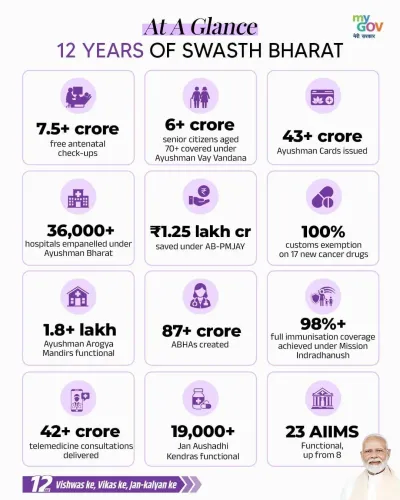
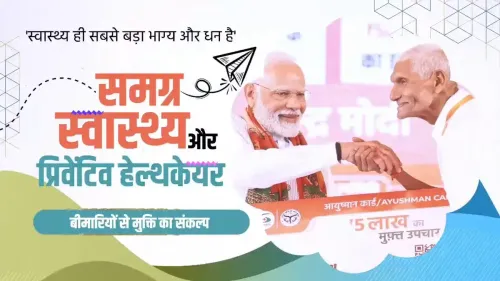
The Chief Minister's Office of Madhya Pradesh on 14 June 2026 credited Prime Minister Modi's 12-year tenure with transforming healthcare access through Ayushman Bharat, Jan Aushadhi Kendras, hospital expansion, preventive care, and digital health services.
Key Takeaways
The Chief Minister's Office of Madhya Pradesh posted on 14 June 2026 marking 12 years of health-sector progress under PM Narendra Modi .
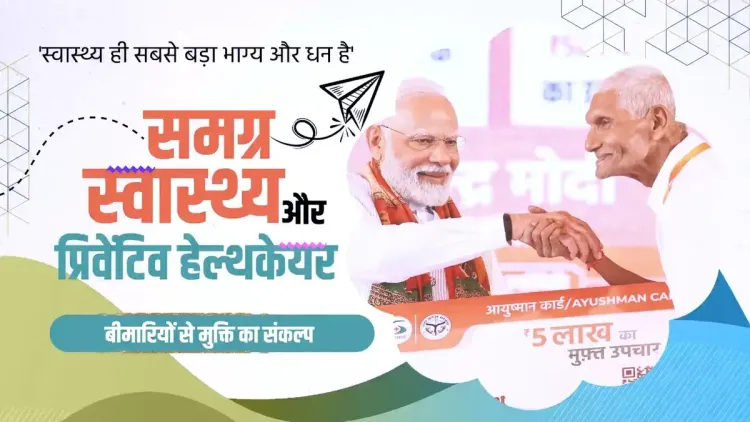
Ayushman Bharat provides up to Rs 5 lakh annual health cover to low-income families and anchors the government's financial-protection strategy.
Jan Aushadhi Kendras supply quality generic medicines at low prices, reducing out-of-pocket costs for ordinary citizens.
The National Digital Health Mission introduced health IDs and telemedicine, forming the technology backbone cited in the post.
Madhya Pradesh has aligned state health budgets and district hospital upgrades with centrally sponsored schemes.
The post is part of a broader #12YearsOfSwasthBharat and #12YearsOfSeva government communication campaign.
The Chief Minister's Office of Madhya Pradesh on Sunday, 14 June 2026 highlighted 12 years of health-sector transformation under Prime Minister Narendra Modi, citing expanded hospital infrastructure, flagship insurance coverage, affordable generic medicines, preventive healthcare, and technology-driven health services as pillars of a 'Swasth Bharat' (Healthy India) vision.
Context
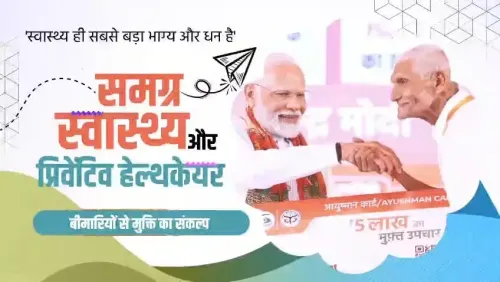
The post, shared from the official @CMMadhyaPradesh handle, carries the tagline 'स्वस्थ नागरिक, सशक्त राष्ट्र' — 'Healthy Citizen, Empowered Nation' — and frames the past decade-plus as a period of deliberate, policy-driven health reform. It tags PMO India, Chief Minister Mohan Yadav, and the Ministry of Health and Family Welfare, signalling coordinated messaging between the state and the Centre on the occasion marked by the hashtag #12YearsOfSwasthBharat.
The post directly credits Prime Minister Modi's leadership for making treatment 'easier and more accessible' for ordinary citizens through a combination of infrastructure, insurance, medicine access, prevention, and digital tools.
Policy Backdrop
Ayushman Bharat, launched in 2018, remains the centrepiece of this narrative. The scheme combines PM-JAY — which provides up to Rs 5 lakh annual health cover to low-income families — with Health and Wellness Centres designed to strengthen primary care at the grassroots level.
Alongside it, the Pradhan Mantri Bharatiya Janaushadhi Pariyojana has driven the expansion of Jan Aushadhi Kendras, government-backed outlets selling quality generic medicines at significantly reduced prices. The National Digital Health Mission, announced in 2020, added a technology layer through unique health IDs and telemedicine integration — the 'tech-based health services' the post references.
Madhya Pradesh has aligned its state health budget and district hospital upgrade programmes with these centrally sponsored schemes, making it one of the states cited in the broader rollout of these initiatives.
Stakeholders and Impact
The primary beneficiaries of the programmes highlighted are low-income families and rural patients who previously faced high out-of-pocket medical expenses. The Ayushman Bharat coverage model was specifically designed to address catastrophic health expenditure among economically vulnerable households.
State health departments, including Madhya Pradesh's, have been key implementation partners, channelling central funds into district and community-level infrastructure. The emphasis on preventive care — flagged explicitly in the post — aligns with targets set under the National Health Policy 2017, which called for raising public health expenditure and reducing the disease burden through early intervention.
Generic medicine availability through Jan Aushadhi outlets has also benefited the urban poor and middle-income groups seeking affordable alternatives to branded pharmaceuticals.
What's Next
Attention will now turn to Madhya Pradesh's health budget allocations for 2026-27 and whether the state announces further expansion of Ayushman Bharat beneficiary lists or additional Jan Aushadhi Kendra outlets in the coming months. The hashtag #12YearsOfSeva accompanying the post suggests this is part of a wider government communication campaign marking the Modi administration's years in office, with health as one of several sectors being profiled. How the state translates this messaging into on-ground delivery targets will be the measure watched by policy observers and civil society groups alike.
Point of View
With the state government amplifying a central-government milestone narrative ahead of what the hashtags suggest is a broader '12 years of service' campaign. By tagging the PMO, the Union health ministry, and CM Mohan Yadav simultaneously, Madhya Pradesh is positioning itself as a model implementer of Modi-era health policy — a framing that carries electoral as well as administrative significance. The emphasis on Ayushman Bharat and Jan Aushadhi reflects the BJP's consistent strategy of anchoring welfare messaging in named, tangible schemes that voters can identify. Whether the on-ground health outcomes in Madhya Pradesh match the scale of this messaging will be the sharper question for independent health policy analysts.
NationPress
19 Sept 2026
Frequently Asked Questions
What is Ayushman Bharat and who benefits from it in Madhya Pradesh?
Ayushman Bharat is a flagship central government health scheme launched in 2018 that provides up to Rs 5 lakh annual insurance cover to low-income families. In Madhya Pradesh , the scheme has been implemented alongside state health infrastructure upgrades, benefiting economically vulnerable households who previously faced high out-of-pocket medical costs.
What are Jan Aushadhi Kendras and how do they help patients?
Jan Aushadhi Kendras are government-backed outlets that sell quality generic medicines at significantly lower prices than branded alternatives. Expanded under the Pradhan Mantri Bharatiya Janaushadhi Pariyojana after 2014, they reduce the financial burden of medication for low-income and middle-income patients across India, including in Madhya Pradesh.
What did the Madhya Pradesh CMO post on 14 June 2026?
The Chief Minister's Office of Madhya Pradesh posted on 14 June 2026 marking 12 years of health reforms under PM Narendra Modi , highlighting Ayushman Bharat, Jan Aushadhi Kendras, hospital expansion, preventive healthcare, and technology-driven health services under the slogan 'Healthy Citizen, Empowered Nation'.
What is the National Digital Health Mission?
The National Digital Health Mission , announced in 2020 , aims to create unique digital health IDs for citizens and integrate telemedicine services into the public health system. It forms the technology backbone of the 'tech-based health services' referenced in the Madhya Pradesh CMO's post.
What does the hashtag 12YearsOfSwasthBharat mean?
#12YearsOfSwasthBharat is a government communication campaign hashtag marking approximately 12 years of health-sector initiatives under the Modi administration since 2014. It is part of a broader #12YearsOfSeva campaign profiling multiple sectors of governance.