CM Sai Raises Monthly Honoraria for Bastar's Manjhi and Chalki
Synopsis
Chhattisgarh CM Vishnu Deo Sai has announced a steep hike in monthly honoraria for Bastar's traditional Manjhi and Chalki leaders — from ₹2,000 to ₹5,000 and ₹1,500 to ₹3,500 respectively — honouring their role in preserving the region's tribal culture.
Key Takeaways
CM Vishnu Deo Sai announced the honorarium revision on October 25, 2026 .
Monthly payment for Manjhi leaders raised from ₹2,000 to ₹5,000 — a 150% increase.
Chalki monthly honorarium increased from ₹1,500 to ₹3,500 .
Manjhi and Chalki are customary tribal functionaries central to social governance in Bastar , southern Chhattisgarh.
The BJP government has framed the move as formal recognition of the custodians of Bastar's cultural traditions.
Disbursement timelines and state budget allocations for the revised amounts remain to be confirmed.
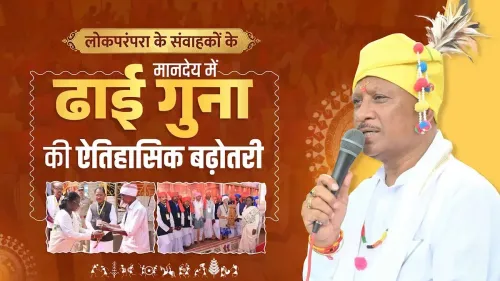
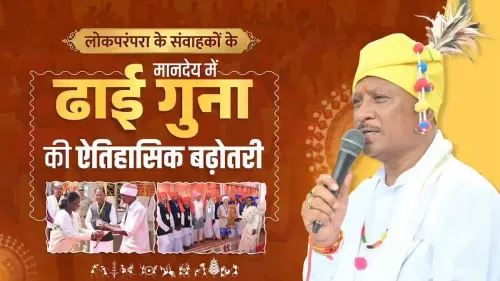
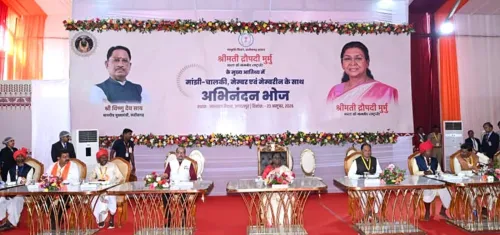
Deep in the forests of southern Chhattisgarh, the customary leaders who have held Bastar's tribal communities together for generations are getting a long-overdue raise. Chhattisgarh Chief Minister Vishnu Deo Sai announced on Sunday, October 25, 2026, that his government is hiking the monthly honoraria paid to Manjhi and Chalki functionaries — the traditional pillars of Bastar's social order — in recognition of their irreplaceable cultural role.
What Manjhi and Chalki Mean to Bastar
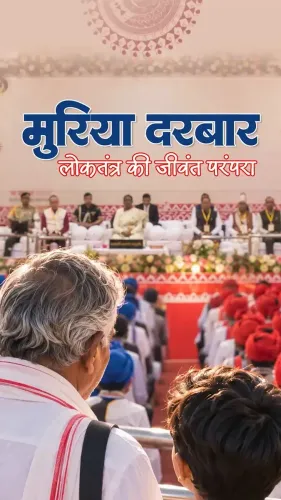
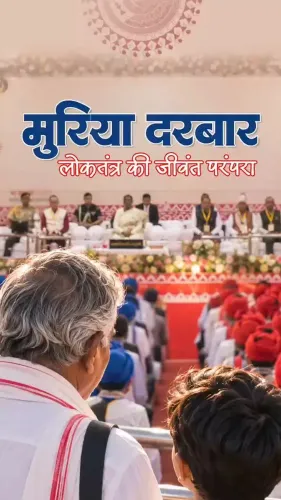
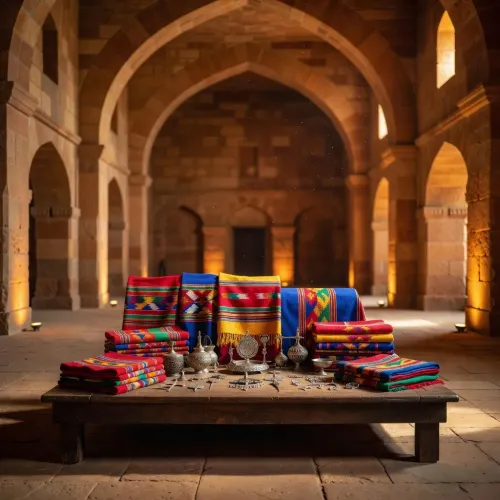
The Manjhi and Chalki are not ceremonial titles — they are functioning customary authorities who mediate disputes, preserve oral traditions, and maintain the social fabric of tribal villages across the Bastar division. In a region where formal governance has historically struggled to reach every hamlet, these community custodians have served as the first and often only institution of local order. Their role spans governance, culture, and identity all at once.
Bastar, which covers a large swathe of southern Chhattisgarh, is home to some of India's most distinctive tribal cultures — the Gond, Halba, Bhatra, and others — each with layered traditions that these functionaries help carry forward. The region is also one of the country's most security-sensitive, which gives any move to strengthen community trust and local institutions an importance that goes well beyond ceremony.
The Numbers: From ₹2,000 to ₹5,000 for Manjhi
CM Sai's announcement spells out the revised figures clearly. The monthly honorarium for Manjhi leaders will rise from ₹2,000 to ₹5,000 — a 150 per cent increase. The Chalki honorarium moves from ₹1,500 to ₹3,500, also a substantial jump. The Chief Minister framed the decision as an act of respect — 'unke is amūlya yogdān kā sammān' (honouring their invaluable contribution) — rather than routine bureaucratic revision.
Chhattisgarh governments have periodically adjusted these honoraria as part of broader efforts to sustain customary social structures alongside formal development programmes in tribal zones. This announcement is the sharpest single-step increase in recent memory for both categories.
Sai Government's Bastar Commitment in Focus
The BJP government that took office after the 2023 Chhattisgarh assembly elections, with Vishnu Deo Sai — himself from a tribal community — at its head, has consistently positioned cultural preservation in Bastar as a policy priority, not a footnote. This honorarium hike fits squarely into that narrative: the state putting money behind the claim that tradition and modernity are not in competition.
What now bears watching is whether the state budget has allocated sufficient funds for uninterrupted monthly disbursement across all Bastar districts, and when the revised amounts will actually begin flowing to beneficiaries on the ground.
For the Manjhi elder presiding over a village assembly deep in the Bastar forest, ₹5,000 is not a fortune — but the signal it sends about the state's respect for his authority may matter just as much as the sum.
Point of View
The BJP government is trying to differentiate itself from transactional politics and build institutional trust with customary authorities — the very people who command grassroots legitimacy the state cannot manufacture. In a region where security and development challenges remain acute, strengthening the social contract with traditional leaders is also a soft-power counter-insurgency move, whether or not it is framed that way. The real test is implementation: whether the revised amounts reach beneficiaries on time and consistently, or become another promise lodged in a gazette notification.
NationPress
25 Oct 2026
Frequently Asked Questions
Who are Manjhi and Chalki in Bastar?
Manjhi and Chalki are traditional customary leaders in the tribal communities of Bastar, southern Chhattisgarh, who mediate local disputes, preserve oral traditions, and maintain social order in tribal villages.
What is the new monthly honorarium for Manjhi leaders in Chhattisgarh?
The monthly honorarium for Manjhi leaders has been raised from ₹2,000 to ₹5,000 as announced by Chief Minister Vishnu Deo Sai on October 25, 2026.
How much will Chalki leaders receive after the hike?
The monthly honorarium for Chalki functionaries has been increased from ₹1,500 to ₹3,500 under the Chhattisgarh government's new decision.
Why did Vishnu Deo Sai increase Bastar tribal leaders' honorarium?
CM Sai cited the invaluable role of Manjhi and Chalki leaders in preserving Bastar's rich cultural traditions and social structures across generations as the reason for the honorarium hike.
When will the revised Manjhi Chalki honorarium be effective?
The announcement was made on October 25, 2026, but the exact implementation date and disbursement timeline have not yet been officially confirmed.