CM Sai Holds Samadhan Shivir in Durg Under Sushasan Tihar 2026
Synopsis
Chief Minister Vishnu Deo Sai held a Samadhan Shivir in Durg district under Sushasan Tihar 2026, directly engaging citizens, hearing their concerns, and distributing benefits under multiple state welfare schemes on 31 May 2026.
Key Takeaways
CM Vishnu Deo Sai personally attended and interacted with citizens at the Durg district Samadhan Shivir on 31 May 2026 .
The camp was held under the state-wide Sushasan Tihar 2026 ('Good Governance Festival') initiative.
Beneficiaries received direct entitlements under multiple government welfare schemes at the event.
The CMO described Sushasan Tihar as a 'bridge of trust' enabling swift grievance resolution and effective scheme implementation.
The BJP government under CM Sai , in office since December 2023 , has made structured public outreach a governance priority.
The drive is expected to cover remaining Chhattisgarh districts in subsequent phases.
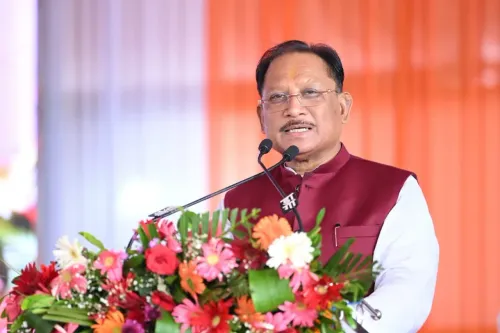
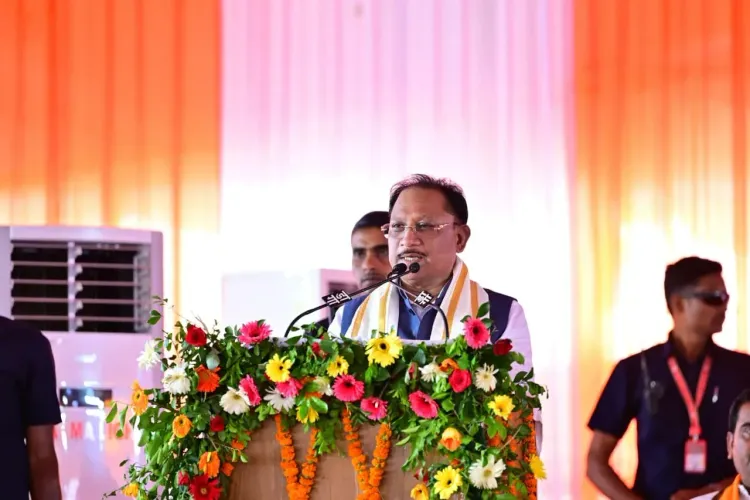
The Chief Minister's Office of Chhattisgarh announced on Sunday, 31 May 2026 that Chief Minister Vishnu Deo Sai personally engaged with citizens at a Samadhan Shivir (grievance redressal camp) held in Durg district under the ongoing Sushasan Tihar 2026 initiative, during which beneficiaries received direct benefits under multiple government welfare schemes.
Context
The CMO's post stated that CM Sai 'directly interacted with the general public and listened to their concerns and suggestions' at the camp. Beneficiaries were simultaneously handed scheme entitlements spanning several state and centrally sponsored programmes. The event was framed as a demonstration of the government's commitment to accessible administration.
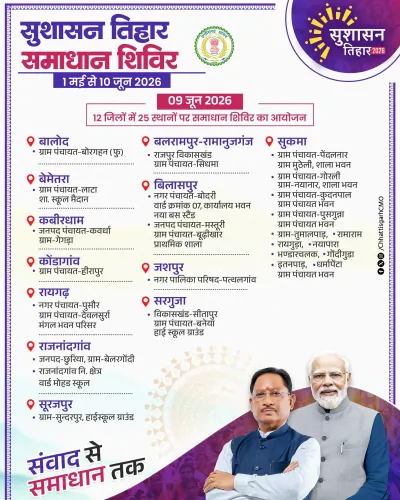
Sushasan Tihar — translating broadly to 'Good Governance Festival' — is a district-level outreach drive rolled out by the Chhattisgarh government across the state. The CMO described the initiative as 'a bridge of trust between the government and the public,' serving as 'a powerful medium for swift resolution of people's problems, effective implementation of schemes, and ensuring citizens' rights.'
Policy Backdrop
The BJP government under CM Vishnu Deo Sai, which assumed office in December 2023 after the party's assembly election victory, prioritised structured public outreach as a governance cornerstone. The Samadhan Shivir format draws on a long tradition of janata darbar-style camps seen across Indian states, adapted here to emphasise measurable scheme saturation and direct feedback from citizens.
Indian state administrations across party lines have periodically organised large-scale grievance camps to improve last-mile delivery of welfare entitlements and reduce bureaucratic friction between citizens and the state. Chhattisgarh's iteration under the current dispensation continues this administrative practice while layering in citizen feedback loops intended to improve scheme utilisation data.
Stakeholders and Impact
Durg district, an industrial and administrative hub in central Chhattisgarh, served as the venue for this edition of the camp. Rural citizens and urban residents alike attended to register grievances and collect scheme benefits, with the format designed to bring government services directly to the doorstep of beneficiaries who might otherwise face hurdles navigating departmental offices.
The direct-interaction model — where the Chief Minister himself listens to public suggestions — is intended to signal political accountability alongside administrative efficiency. Scheme beneficiaries spanning agriculture, social welfare, housing, and livelihood programmes are the primary recipients of the benefit distribution drives conducted at such camps.
What's Next
The Sushasan Tihar 2026 drive is expected to expand to remaining Chhattisgarh districts in the coming weeks, with each camp replicating the grievance-redressal and benefit-transfer format witnessed in Durg. Any mid-year review of scheme utilisation figures and beneficiary coverage is likely to be placed before the state assembly as a performance benchmark for the initiative.
The sustained rollout of district-level camps will test whether the administration can translate the symbolic visibility of a Chief Minister's direct engagement into measurable improvements in scheme delivery and citizen satisfaction across Chhattisgarh's diverse geography.
Point of View
Blending the optics of a Chief Minister's field visit with the mechanics of scheme saturation drives. The format mirrors a broader pattern across BJP-governed states of using branded governance festivals to demonstrate administrative responsiveness and build grassroots goodwill ahead of future electoral cycles. The Durg camp's emphasis on citizen suggestions — not just grievance intake — signals an attempt to position the administration as consultative rather than merely transactional. Whether the feedback gathered translates into measurable policy adjustments will determine if the initiative moves beyond political optics into durable administrative reform.
NationPress
19 Sept 2026
Frequently Asked Questions
What is Sushasan Tihar 2026 in Chhattisgarh?
Sushasan Tihar 2026 is a state-wide 'Good Governance Festival' organised by the Chhattisgarh government, featuring district-level Samadhan Shivirs where officials and the Chief Minister directly engage with citizens, redress grievances, and distribute welfare scheme benefits.
What happened at the Durg Samadhan Shivir on 31 May 2026?
Chief Minister Vishnu Deo Sai attended the Samadhan Shivir in Durg district, listened directly to citizens' concerns and suggestions, and oversaw the distribution of benefits under various government welfare schemes to eligible beneficiaries.
Who is Vishnu Deo Sai?
Vishnu Deo Sai is the Chief Minister of Chhattisgarh, a senior BJP leader who assumed office in December 2023 following the party's victory in the state assembly elections.
What is the purpose of a Samadhan Shivir?
A Samadhan Shivir is a grievance redressal camp where government officials and elected representatives meet citizens face-to-face to resolve pending issues, deliver scheme entitlements, and collect feedback on public services.
Will Sushasan Tihar 2026 camps be held in other Chhattisgarh districts?
Yes, the Sushasan Tihar 2026 initiative is expected to expand to other districts across Chhattisgarh, replicating the grievance-redressal and benefit-distribution format conducted in Durg.