CM Sai Urges Chhattisgarh to Beat Heat With Community Care
Synopsis
Chhattisgarh Chief Minister Vishnu Deo Sai issued a public heatwave advisory on 27 May 2026, calling on citizens to stay hydrated, protect children, the elderly, and outdoor workers, arrange drinking water for passers-by, and keep water out for animals and birds during severe summer heat.
Key Takeaways
CM Vishnu Deo Sai posted a public heatwave advisory on 27 May 2026 , citing rising heat across Chhattisgarh and other parts of India.
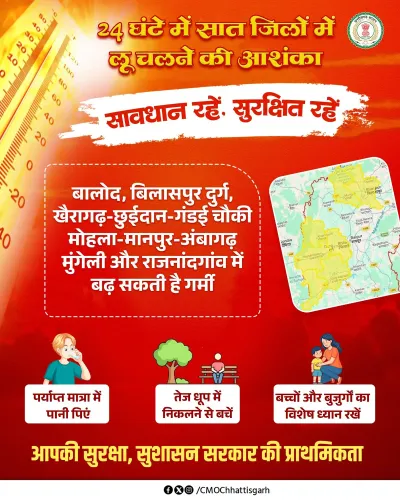
Citizens were advised to drink adequate water, carry water outdoors, and avoid unnecessary exposure to direct sunlight.
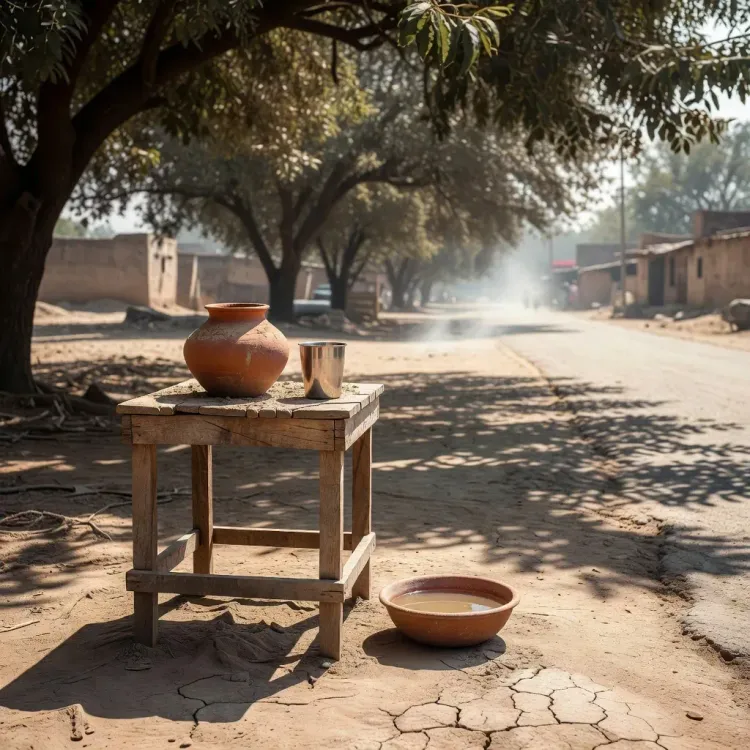
The appeal urged residents to place drinking water outside homes, shops, and offices for passers-by.
Vulnerable groups — children, the elderly, labourers, and outdoor workers — were specifically highlighted for extra care.
First-aid guidance included moving heat-affected individuals to shade and providing water, ORS, or other fluids immediately.
The Chief Minister also asked people to leave water vessels outside for animals and birds during the extreme heat.
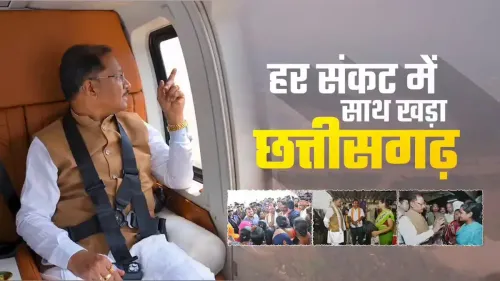
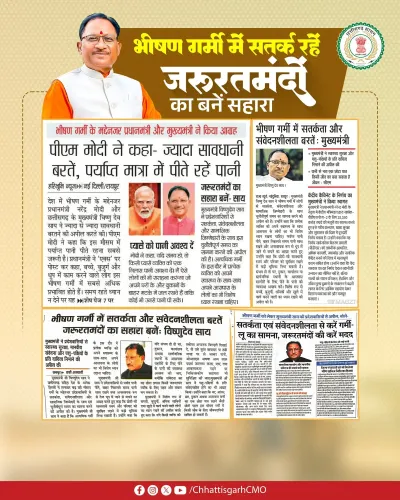
Chhattisgarh Chief Minister Vishnu Deo Sai on Wednesday, 27 May 2026, issued a public appeal urging citizens across the state — and the country — to protect themselves and their neighbours as intense summer heat continues to grip large parts of India. The appeal, posted on his official X account, called for community solidarity alongside practical precautions.
Context
Chhattisgarh, a central Indian state, regularly records some of the country's highest summer temperatures, with rural districts and urban centres alike vulnerable to heat stress. In his post, CM Sai wrote — 'छत्तीसगढ़ सहित देश के अनेक हिस्सों में भीषण गर्मी का प्रभाव लगातार बढ़ रहा है' ['Intense heat is continuously increasing its impact across Chhattisgarh and many other parts of the country'] — framing the advisory as a nationwide concern, not merely a local one.
The Chief Minister urged people to drink adequate water, carry water while stepping out, and avoid unnecessary exposure to harsh sunlight. He also encouraged residents to arrange drinking water outside their homes, shops, and offices for passers-by, describing it as a 'small act of compassion that can bring relief to a thirsty person.'
Policy Backdrop
India's formal response to heatwaves has evolved significantly since Ahmedabad introduced the country's first city-level Heat Action Plan in 2010, a model later supported by National Disaster Management Authority (NDMA) guidelines issued between 2016 and 2019. State governments have since been encouraged to adopt localised heat action plans covering early warning systems, public advisories, and emergency health protocols.
Awareness-focused appeals from state leaders have become a recurring feature of India's summer governance, typically combining individual precautions with calls for community-level support — the approach CM Sai adopted in his post. Such messages are considered low-cost interventions that complement formal relief infrastructure.
Stakeholders and Impact
CM Sai specifically flagged the most vulnerable groups: children, the elderly, labourers, and outdoor workers. He advised that if anyone is seen suddenly falling ill, they should immediately be moved to a shaded or cool place and given water, ORS (oral rehydration solution), or other fluids.
The appeal extended beyond humans — the Chief Minister asked every household and shopkeeper to keep a small vessel of water outside for animals and birds, noting that 'in this severe heat, your small initiative can be life-giving for a living creature.' This reflects a broader cultural emphasis in Indian public messaging on care for all living beings during extreme weather.
What's Next
The India Meteorological Department (IMD) issues district-level heatwave alerts that typically inform follow-up state government orders on measures such as work-hour restrictions for outdoor labourers and the opening of cooling shelters. Whether Chhattisgarh will issue formal administrative orders building on this advisory remains to be seen.
As temperatures across central and northern India remain elevated heading into June 2026, the Chief Minister's message signals that the state administration is monitoring the situation and positioning community awareness as a first line of response. Sustained heat events in the coming weeks could prompt more structured government interventions under the state's heat action framework.
Point of View
Empathetic governance during climate stress events — a low-cost but high-visibility signal of administrative attentiveness. The explicit mention of labourers and outdoor workers gestures toward a politically conscious constituency that BJP has sought to consolidate in Chhattisgarh since its December 2023 election win. By weaving in care for animals and birds, the message also taps into a cultural-religious register that broadens its appeal beyond policy language. If the heat persists, the advisory could serve as political groundwork ahead of more formal — and more costly — state interventions.
NationPress
10 Oct 2026
Frequently Asked Questions
What did Chhattisgarh CM Vishnu Deo Sai say about the heatwave?
CM Vishnu Deo Sai urged citizens to drink adequate water, avoid harsh sunlight, protect children, the elderly, and outdoor workers, and arrange drinking water for passers-by and animals during the ongoing severe heat.
What precautions did CM Sai recommend for heatwave safety?
He recommended staying hydrated, carrying water when stepping outside, avoiding unnecessary sun exposure, and immediately moving anyone who falls ill to a cool, shaded place while providing water or ORS.
Who are the most vulnerable groups during a heatwave in India?
Children, the elderly, outdoor labourers, and workers exposed to open environments are considered the most vulnerable, as highlighted by CM Sai in his advisory.
What is ORS and why is it recommended during heatwaves?
ORS stands for Oral Rehydration Solution — a mixture of salts and sugar dissolved in water that rapidly restores electrolytes lost through sweating, making it a key first-response remedy for heat exhaustion.
Does Chhattisgarh have a Heat Action Plan?
Indian states, including Chhattisgarh, have been encouraged to adopt Heat Action Plans following NDMA guidelines issued between 2016 and 2019, building on the model pioneered by Ahmedabad in 2010.