CM Sai orders WhatsApp delivery of land records for Chhattisgarh farmers
Synopsis
Chief Minister Vishnu Deo Sai on 7 July 2026 directed Chhattisgarh's Revenue and Disaster Management Department to deliver B-1, Khasra, and loan passbook records to farmers via WhatsApp, removing the need for visits to tehsil or patwari offices.
Key Takeaways
CM Vishnu Deo Sai chaired a high-level review of the Revenue and Disaster Management Department at Mahanadi Bhawan, Raipur on 7 July 2026 .
He directed officials to develop a WhatsApp-based system to deliver B-1, Khasra, and loan passbook (rin pustika) records directly to farmers.
The move aims to eliminate mandatory visits to tehsil and patwari offices for routine land documents.
The initiative builds on the national Digital India Land Records Modernization Programme (DILRMP) launched in 2008 .
Farmers, rural landowners, and agricultural lenders are the primary stakeholders expected to benefit from the reform.
The Revenue and Disaster Management Department is now tasked with designing the technical rollout and authentication mechanism.
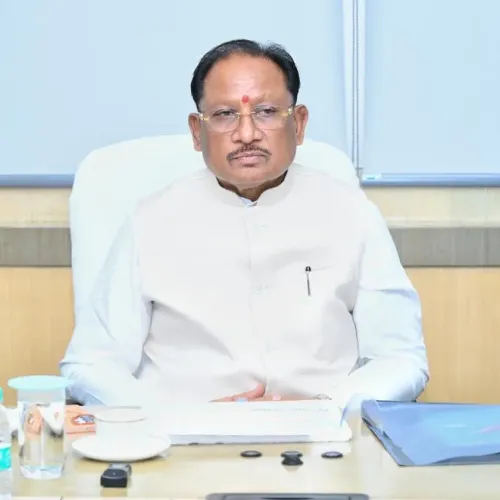
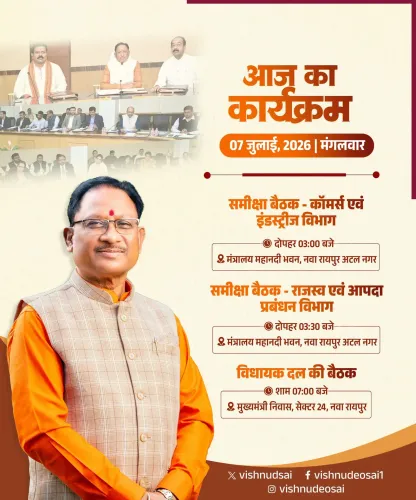
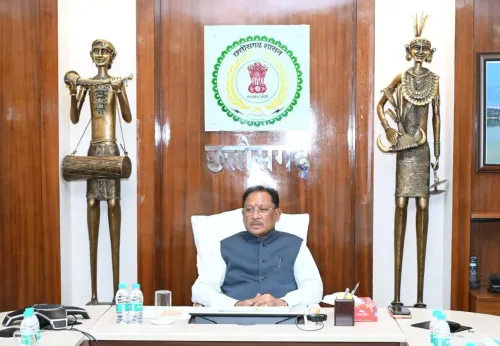
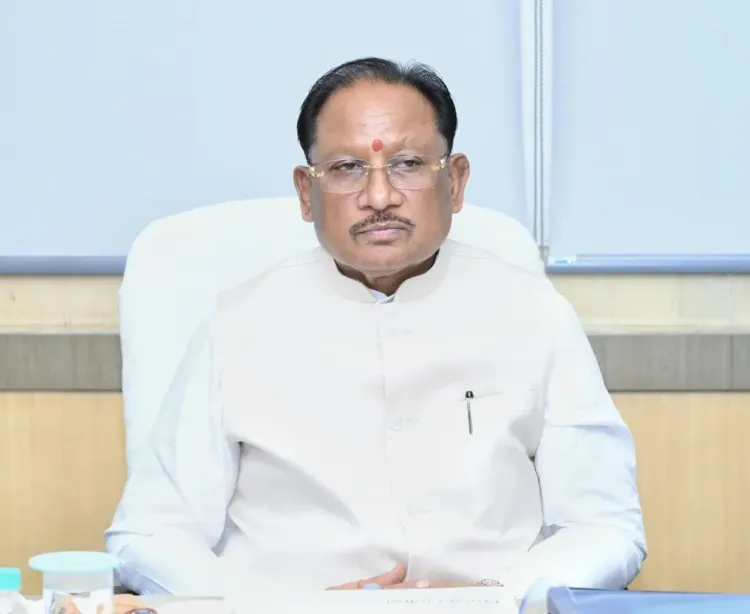
Chief Minister Vishnu Deo Sai on Tuesday, 7 July 2026, chaired a high-level review of the Revenue and Disaster Management Department at Mahanadi Bhawan in Raipur, directing officials to develop a system that delivers land records to farmers directly via WhatsApp, eliminating the need for visits to tehsil or patwari offices.
At the meeting, CM Sai instructed the department to ensure that documents including B-1 (land ownership extract), Khasra (plot-level land record), and loan passbooks (rin pustika) — along with other land-related information — are made easily accessible to farmers through WhatsApp. The directive aims to spare cultivators the time and expense of travelling to revenue offices for routine paperwork.
Context
Chhattisgarh's rural economy is heavily agrarian, and farmers routinely require land documents for bank loans, crop insurance, and government scheme enrolment. Accessing these records has historically required multiple visits to patwari offices or tehsil counters, a burden that falls disproportionately on small and marginal farmers in remote areas.
CM Sai, who took charge in December 2023 after the BJP's victory in the state assembly elections, has emphasised digital governance as a priority. Monday's review at Mahanadi Bhawan signals a concrete administrative push to translate that emphasis into citizen-facing services.
Policy Backdrop
The directive builds on the national Digital India Land Records Modernization Programme (DILRMP), launched in 2008, which mandated the computerisation of land records and their availability through state web portals. Chhattisgarh, like other states, has digitised khasra and jamabandi data, but last-mile delivery to farmers — particularly those without reliable internet or computer access — has remained a gap.
WhatsApp, with its near-ubiquitous penetration on low-cost smartphones across rural India, offers a practical channel to bridge that gap. Several other Indian states have piloted similar integrations of land-record portals with WhatsApp-based delivery, reflecting a broader administrative trend toward paperless, doorstep service.
Stakeholders and Impact
The primary beneficiaries are farmers and rural landowners across Chhattisgarh who need B-1, Khasra, or loan passbook records for credit access, insurance claims, or legal purposes. Reducing footfall at patwari and tehsil offices could also ease administrative backlogs at the revenue department.
For the state government, successful implementation would strengthen its digital-governance credentials ahead of future electoral cycles and align Chhattisgarh with best-practice models from other states. Banks and cooperative lenders who rely on verified land records for agricultural credit disbursal are also indirect stakeholders in the initiative's success.
What's Next
The Revenue and Disaster Management Department is now tasked with developing the technical architecture for WhatsApp-based record delivery — likely involving integration with the state's existing land-record portal and a chatbot or helpline number. The rollout timeline and the mechanism for farmer authentication and data security will be closely watched by both administrators and civil-society groups working on land rights.
If implemented at scale, the initiative could serve as a replicable model for other departments in Chhattisgarh seeking to deliver routine certificates and extracts through mobile messaging platforms.
Point of View
A gap the DILRMP has struggled to bridge since 2008. By anchoring the push in a high-level departmental review rather than a press release, the Chief Minister's Office signals institutional intent rather than mere optics. The move also fits a pattern visible across BJP-governed states of deploying mobile-first citizen services ahead of election cycles to demonstrate administrative delivery. The real test, however, will be in implementation: farmer authentication, data privacy safeguards, and integration with existing portals will determine whether this becomes a genuine reform or a well-announced pilot.
NationPress
6 Oct 2026
Frequently Asked Questions
What land documents will Chhattisgarh farmers get on WhatsApp?
CM Vishnu Deo Sai has directed the Revenue Department to make B-1 (land ownership extract), Khasra (plot-level record), and loan passbooks (rin pustika) , along with other land-related information, available to farmers via WhatsApp.
Why is Chhattisgarh sending land records on WhatsApp?
The initiative is designed to spare farmers the time and cost of visiting tehsil or patwari offices for routine documents, which are frequently needed for bank loans, crop insurance, and government scheme enrolment.
Who ordered the WhatsApp land record system in Chhattisgarh?
Chief Minister Vishnu Deo Sai issued the directive on 7 July 2026 during a high-level review of the Revenue and Disaster Management Department at Mahanadi Bhawan in Raipur.
What is the B-1 document in Chhattisgarh land records?
The B-1 is a land ownership extract that details the rights and ownership of a plot; it is one of the key documents farmers need for credit, insurance, and legal transactions.
How does this relate to Digital India land record reforms?
The move builds on the national Digital India Land Records Modernization Programme (DILRMP) , launched in 2008 , which computerised land records across states. Chhattisgarh's WhatsApp initiative aims to extend that digital infrastructure to last-mile delivery on mobile phones.