CM Sai launches computer training centre for govt staff in Bilaspur
Synopsis
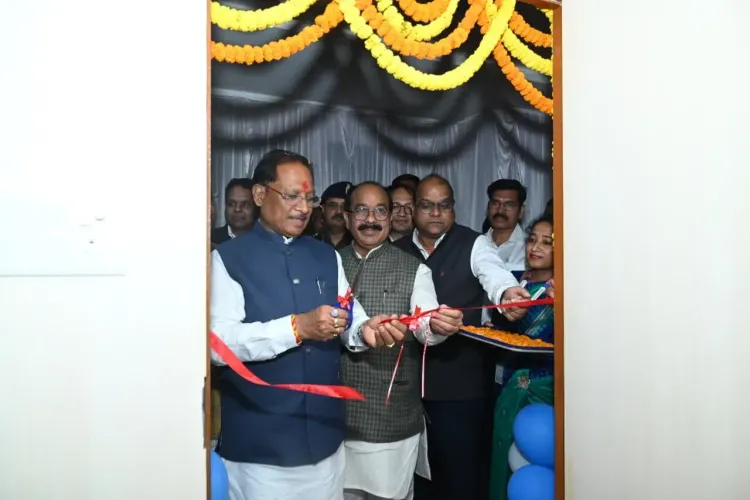
Chhattisgarh Chief Minister Vishnu Deo Sai inaugurated a modern computer training centre for state government employees in Bilaspur on 16 November 2026, aiming to strengthen digital skills across the bureaucracy and speed up citizen-facing service delivery.
Key Takeaways
CM Vishnu Deo Sai launched a modern computer training centre for government employees in Bilaspur on 16 November 2026 .
The centre is designed to improve the digital literacy of state government staff and streamline citizen service delivery.
Bilaspur is a major administrative and judicial hub in northern Chhattisgarh, amplifying the centre's reach.
The initiative aligns with the national Digital India programme launched in 2015 to advance e-governance.
Chhattisgarh has pursued incremental IT investments in public administration since the 2023 assembly elections .
Expansion to other districts and published service-delivery metrics will determine the programme's real-world impact.
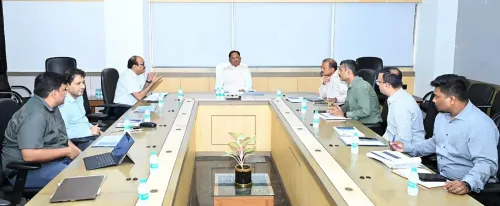
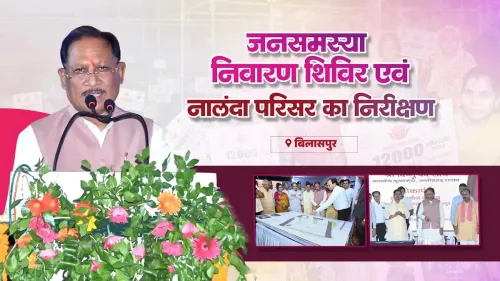
A new computer training centre for government employees opened in Bilaspur on Monday, 16 November 2026 — a move Chhattisgarh Chief Minister Vishnu Deo Sai framed as essential to making public administration faster, more transparent, and genuinely citizen-first.
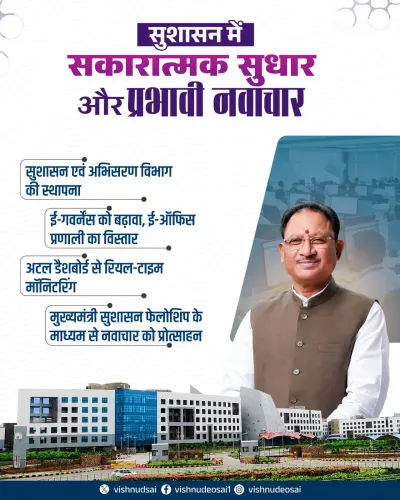
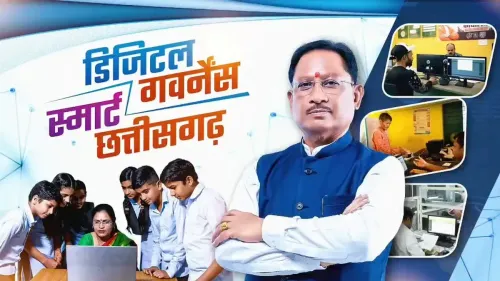
Posting on X, CM Sai wrote: 'सुशासन को अधिक प्रभावी, पारदर्शी और जनोन्मुखी बनाने में आधुनिक तकनीक की महत्वपूर्ण भूमिका है' — 'Modern technology has a vital role in making good governance more effective, transparent and people-oriented.' He added that the centre would sharpen the digital skills of government staff and help citizens receive services 'more easily, transparently and quickly.'
Bilaspur as a governance nerve centre
Bilaspur is northern Chhattisgarh's biggest administrative and judicial hub, making it a logical anchor point for a digital-upskilling push that the state intends to radiate outward. The city handles a high volume of citizen-facing services, so a trained, digitally fluent workforce here has an outsized multiplier effect on service delivery across the region.
The launch fits a pattern visible across Indian states since the Digital India programme was introduced in 2015: state governments have progressively built IT training infrastructure for bureaucrats as part of a broader administrative-reform push. Chhattisgarh has followed that trajectory with incremental technology investments since the 2023 assembly elections brought the BJP back to power and CM Sai to the helm.
What digital upskilling means for ordinary citizens
The practical promise is straightforward — a government employee who can confidently navigate digital platforms processes applications faster, leaves less room for opaque discretion, and reduces the in-person queues that remain a friction point in rural-state administration. For citizens in a state where large segments still rely on district offices for land records, welfare schemes, and certificates, that speed-and-transparency equation is tangible.
The question now is replication. Whether Chhattisgarh rolls out comparable centres across other districts — and whether the state publishes metrics on reduced grievance-redressal times or increased online service uptake — will determine whether this Bilaspur launch marks the beginning of a systematic upgrade or remains a single showcase facility.
Digital governance only delivers its promise when every link in the chain — from village-level common service centres to district headquarters — speaks the same technological language. Bilaspur is now on record. The rest of Chhattisgarh is watching.
Point of View
Turning a symbolic inauguration into a measurable service-delivery reform. Absent that follow-through, the centre risks becoming a headline rather than a habit.
NationPress
16 Nov 2026
Frequently Asked Questions
What did CM Vishnu Deo Sai inaugurate in Bilaspur on 16 November 2026?
CM Vishnu Deo Sai inaugurated a modern computer training centre for state government employees in Bilaspur, aimed at improving their digital skills and making citizen services faster and more transparent.
What is the purpose of the Bilaspur government computer training centre?
The centre is meant to boost the digital proficiency of Chhattisgarh government employees so that citizens receive public services more efficiently, transparently, and quickly through technology-driven processes.
How does this initiative connect to Digital India?
The centre aligns with the national Digital India programme launched in 2015, which promotes e-governance and digital literacy across central and state administrations as part of wider administrative reform.
Why was Bilaspur chosen for this training centre?
Bilaspur is a major administrative and judicial hub in northern Chhattisgarh, handling a high volume of citizen-facing services, making it a strategic location for a digital-upskilling initiative.
Will similar training centres open in other Chhattisgarh districts?
CM Sai's post does not confirm an immediate district-wide rollout, but analysts and observers are watching whether the state replicates the Bilaspur model elsewhere and publishes related service-delivery metrics.