CM Sai Marks Janjatiya Gaurav Diwas at Dharamjaigarh
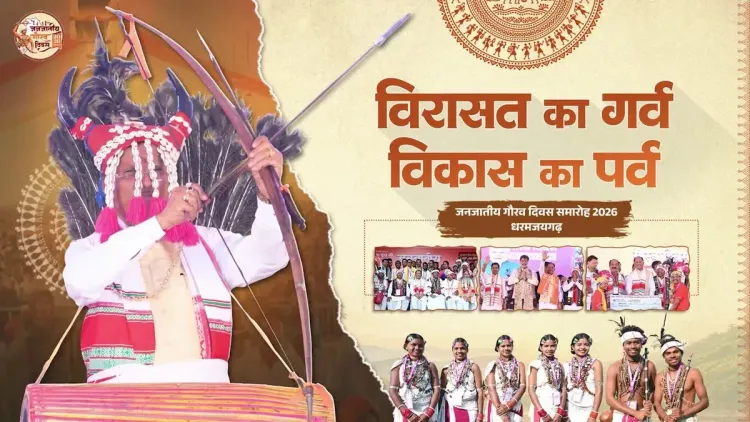
Synopsis
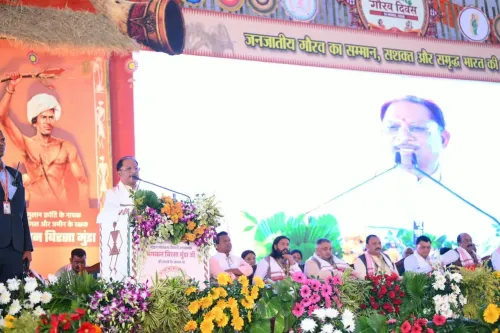
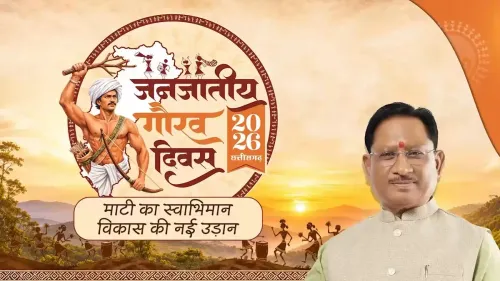
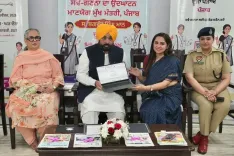
Chhattisgarh Chief Minister Vishnu Deo Sai celebrated Janjatiya Gaurav Diwas 2026 at Dharamjaigarh on Birsa Munda's birth anniversary, pledging his government's commitment to tribal honour, cultural preservation, and all-round development.
Key Takeaways
Janjatiya Gaurav Diwas 2026 was observed on 15 November , the birth anniversary of tribal freedom fighter Birsa Munda , with a major state event in Dharamjaigarh, Chhattisgarh .
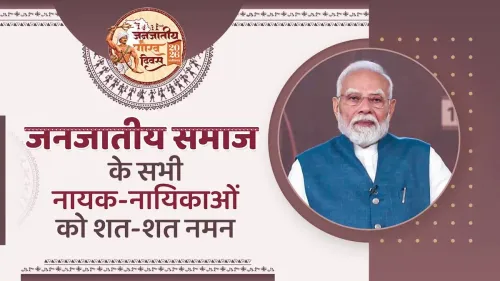
CM Vishnu Deo Sai attended the ceremony, which also featured the virtual presence of BJP National President Nitin Nabin .
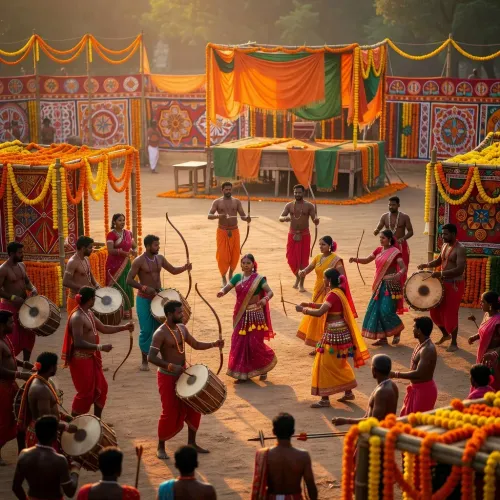
The day was described as a tribute to tribal traditions, art, culture, and the contributions of tribal heroes to India's history.
The Government of India formally instituted Janjatiya Gaurav Diwas in 2021 to commemorate Birsa Munda and honour tribal participation in the freedom struggle.
CM Sai reaffirmed the state government's commitment to tribal honour, cultural preservation, and all-round development of tribal communities in Chhattisgarh.
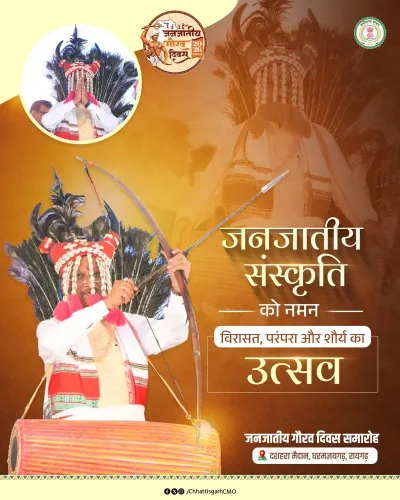
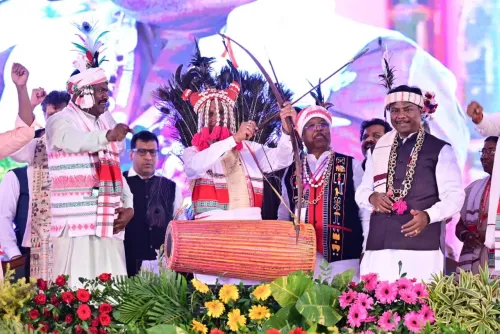
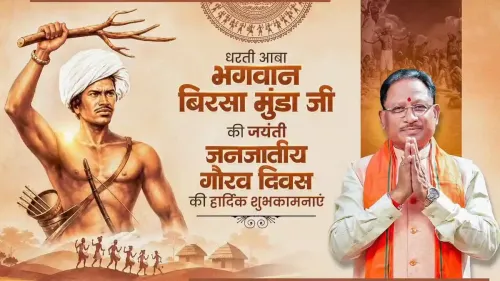
On the birth anniversary of Bhagwan Birsa Munda — the 19th-century tribal icon whose Ulgulan revolt against British colonial rule made him a permanent symbol of Adivasi defiance — Chhattisgarh Chief Minister Vishnu Deo Sai joined a ceremonial gathering in Dharamjaigarh on 16 November 2026 to mark Janjatiya Gaurav Diwas. The event brought tribal culture, art, and heritage to the fore in a town that sits at the heart of Chhattisgarh's tribal belt.
Posting on X, CM Sai described the occasion as 'gauravshali virasat aur samridh sanskriti ka bhavya utsav' — 'a grand celebration of glorious heritage and rich culture.' The event at Dharamjaigarh was held with the virtual presence of BJP National President Nitin Nabin, and the Chief Minister said it served as 'a sacred opportunity to pay tribute to the glorious traditions, art and culture, and the contributions of great heroes of the tribal community.'
Birsa Munda's legacy — why 15 November matters
Birsa Munda was born on 15 November 1875 in present-day Jharkhand. A leader of the Munda tribal community, he mobilised thousands against forced land acquisition and colonial forest laws in the late 19th century — a movement that rattled British authority across the Chota Nagpur plateau. He died in custody in 1900, aged just 25, cementing his place as a martyr and a founding figure of Adivasi political consciousness.
In 2021, the Government of India formally instituted Janjatiya Gaurav Diwas on 15 November to honour Birsa Munda's legacy and recognise tribal communities' contributions to India's freedom struggle. The day has since anchored an annual calendar of state-level events, particularly in states with large Scheduled Tribe populations such as Chhattisgarh, Jharkhand, and Odisha.
Dharamjaigarh as the stage — and what it signals
Dharamjaigarh, a town in Chhattisgarh's Raigarh district, carries a substantial tribal demographic, making it a pointed choice of venue. By anchoring the state's marquee event there rather than in the state capital Raipur, the government signalled that the day's intent is outreach into tribal heartland communities — not just ceremonial optics from an administrative centre.
CM Sai reinforced that message directly, stating that 'our government is continuously committed to the honour of tribal society, the preservation of their rich culture and traditions, and their all-round development.' The BJP's consistent strategy in tribal-majority constituencies — pairing cultural commemoration with welfare messaging — has been a defining feature of its governance posture in Chhattisgarh since the party returned to power in the state.
Birsa Munda's birth anniversary is no longer just a date on the calendar. It has become a political and cultural inflection point — a moment when governments measure their tribal welfare commitments in public. How those commitments translate from ceremony into policy on land rights, forest access, and livelihood programmes will be the real test in the months ahead.
Point of View
Particularly those with significant Scheduled Tribe constituencies. By holding the flagship event in Dharamjaigarh rather than Raipur, the Sai government is reinforcing grassroots outreach in tribal heartland areas — a pattern that dovetails with the party's broader electoral strategy in Chhattisgarh. The choice to invoke both cultural celebration and development commitments in the same breath reflects a deliberate effort to frame tribal identity politics as inseparable from governance delivery. Whether that framing survives scrutiny on ground-level issues — forest rights, displacement, and livelihood — will define its long-term resonance.
NationPress
16 Nov 2026
Frequently Asked Questions
What is Janjatiya Gaurav Diwas and why is it celebrated on 15 November?
Janjatiya Gaurav Diwas is an annual observance instituted by the Government of India in 2021 on 15 November — the birth anniversary of tribal icon and freedom fighter Birsa Munda — to honour the contributions of tribal communities to India's heritage and independence movement.
Who was Birsa Munda?
Birsa Munda was a 19th-century tribal leader from the Munda community who led the Ulgulan revolt against British colonial rule and oppressive land laws in the Chota Nagpur region. He died in custody in 1900 and is revered across India as a symbol of Adivasi rights and resistance.
Where was the Janjatiya Gaurav Diwas 2026 event held in Chhattisgarh?
The main state-level event was held at Dharamjaigarh in Raigarh district, Chhattisgarh, a town with a large tribal population, with BJP National President Nitin Nabin participating virtually.
What did CM Vishnu Deo Sai say at the Janjatiya Gaurav Diwas event?
CM Sai described the event as a grand celebration of tribal heritage and culture, and reaffirmed that his government is committed to the honour, cultural preservation, and all-round development of tribal communities in Chhattisgarh.
When did the Indian government formally declare Janjatiya Gaurav Diwas?
The Government of India formally instituted Janjatiya Gaurav Diwas in 2021, designating 15 November — Birsa Munda's birth anniversary — as the annual day of recognition for tribal heritage and freedom-struggle contributions.