CM Sai meets JP Nadda, discusses Chhattisgarh health infra
Synopsis
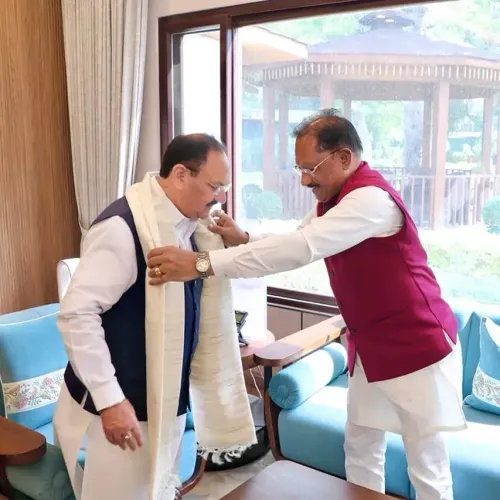
Chhattisgarh Chief Minister Vishnu Deo Sai met Union Minister JP Nadda in New Delhi on 25 June 2026, discussing public health, medical infrastructure, medicine and fertilizer availability, with emphasis on improving services in the state's remote tribal regions.
Key Takeaways
CM Vishnu Deo Sai held a courtesy meeting with Union Minister JP Nadda in New Delhi on 25 June 2026 .
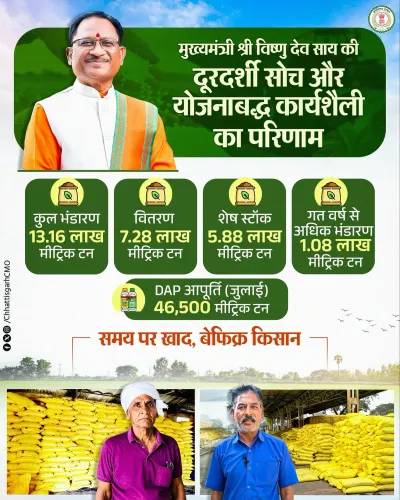
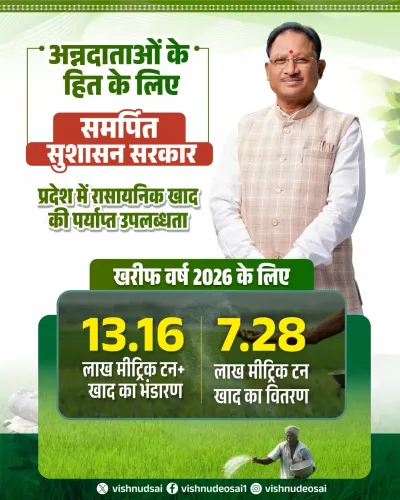
Discussions covered public health, medical infrastructure, availability of medicines, and fertilizer supply for Chhattisgarh .
A central focus was extending health services to the state's remote and tribal areas , home to roughly 30 percent of the population.
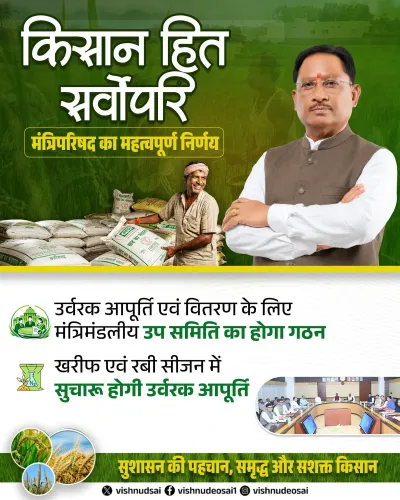
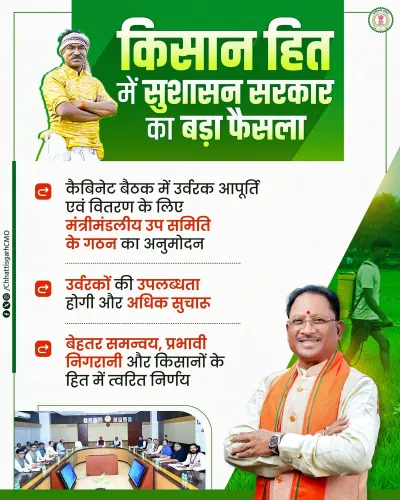
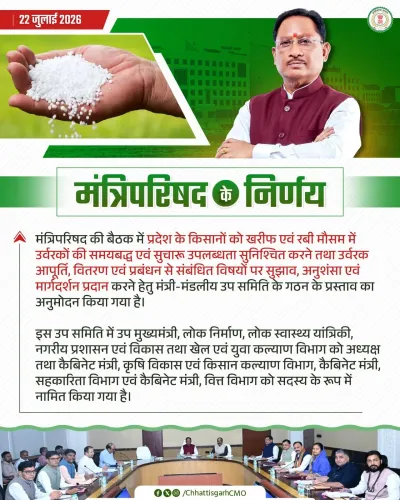
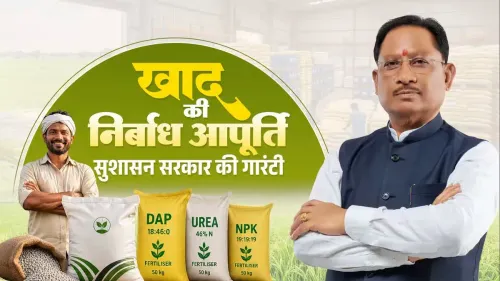
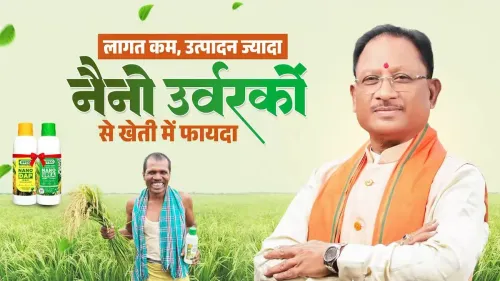
Ensuring adequate fertilizer availability for farmers was also a key agenda item at the meeting.
The meeting forms part of routine central-state coordination for implementing schemes such as Ayushman Bharat and the National Health Mission .
Follow-up outcomes — including possible funding revisions or health action plans — are expected in 2026-27 state budget announcements.
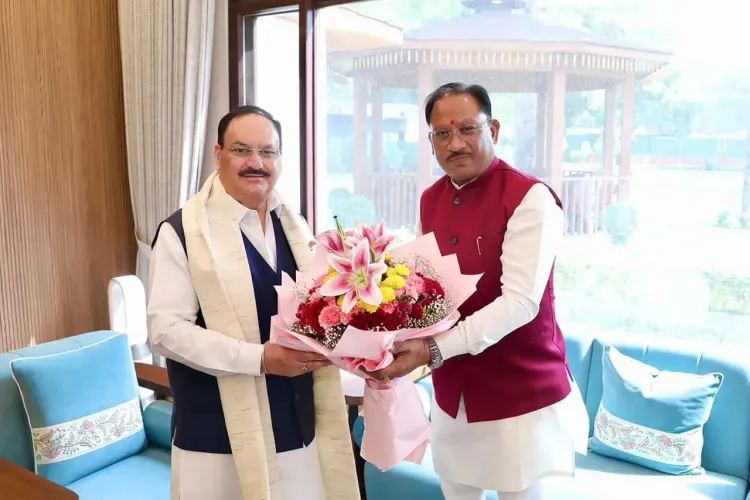
Chief Minister Vishnu Deo Sai called on Union Minister JP Nadda in New Delhi on 25 June 2026, holding detailed discussions on public health, medical infrastructure, and the availability of medicines and fertilizers for Chhattisgarh. The courtesy meeting, confirmed by the Chief Minister's Office of Chhattisgarh, covered a range of subjects with particular focus on extending services to remote and tribal regions of the state.
Context
The CMO's post stated that the meeting addressed 'जनस्वास्थ्य, चिकित्सा अधोसंरचना, औषधि एवं उर्वरक उपलब्धता' ('public health, medical infrastructure, availability of medicines and fertilizers') along with several other subjects. A key agenda item was improving health service delivery to Chhattisgarh's remote and tribal areas, which account for roughly 30 percent of the state's population. Strengthening medical infrastructure and ensuring adequate fertilizer supply for farmers were also discussed at length.
Nadda holds the dual portfolio of Union Minister for Health and Family Welfare and Minister of Chemicals and Fertilizers, making him the central point of contact for both the health and fertilizer concerns that CM Sai raised. The meeting is part of the routine federal coordination between state governments and central ministries for implementation of centrally sponsored schemes.
Policy Backdrop
Chhattisgarh's tribal and forested hinterland — spanning districts such as Bastar, Surguja, and Korba — has historically faced last-mile delivery challenges in healthcare. The National Health Mission (NHM), operational since 2013, has supported state-level strengthening of primary health centres and tribal health outreach, yet infrastructure gaps persist in the most remote pockets.
The Ayushman Bharat Pradhan Mantri Jan Arogya Yojana, launched in 2018, extended health coverage to economically weaker sections, with Chhattisgarh being among the states that enrolled large numbers of beneficiaries from tribal communities. On the fertilizer front, discussions align with the national Nutrient Based Subsidy (NBS) regime, under which the Centre regulates fertilizer pricing and availability to farming states.
Stakeholders and Impact
Two groups stand to be most directly affected by the outcomes of this meeting: tribal communities in Chhattisgarh's remote districts who rely on government health facilities, and farmers dependent on timely fertilizer supply ahead of the kharif sowing season. Delays or shortfalls in either area can have significant socioeconomic consequences for a state where agriculture and forest-based livelihoods dominate the rural economy.
Medical professionals and district health officers in remote postings are also stakeholders, as infrastructure upgrades and drug availability directly shape their capacity to deliver care. Any expansion of specialist services or mobile health units to tribal blocks would require coordinated funding from both the state and central governments.
What's Next
Concrete outcomes of the meeting — whether in the form of additional central allocations, revised health action plans, or fertilizer supply commitments — are expected to surface in follow-up state budget announcements or official circulars for 2026-27. The #SushasanSarkar framing used by the CMO signals that the ruling dispensation intends to publicise any gains from the meeting as governance deliverables.
Observers will watch whether CM Sai's engagement with the Union Health Ministry translates into enhanced NHM funding for Chhattisgarh or expedited clearances for new medical college projects in tribal districts — both of which have been pending priorities for the state government since it assumed office in December 2023.
Point of View
The Sai government has strong political incentives to show visible infrastructure progress in tribal districts before the next electoral cycle. The dual health-fertilizer agenda is strategically astute — tribal health and agrarian welfare are the two most electorally sensitive pressure points in the state. Whether the meeting produces concrete deliverables or remains a diplomatic exchange will be revealed in the coming months' scheme notifications.
NationPress
24 Sept 2026
Frequently Asked Questions
Why did CM Vishnu Deo Sai meet JP Nadda in New Delhi?
CM Vishnu Deo Sai met Union Minister JP Nadda on 25 June 2026 to discuss public health, medical infrastructure, medicine availability, and fertilizer supply for Chhattisgarh, with a specific focus on improving services in remote and tribal areas of the state.
What is JP Nadda's role in health and fertilizers?
JP Nadda is the Union Minister for Health and Family Welfare as well as Minister of Chemicals and Fertilizers, making him responsible for national health policy and the country's fertilizer supply framework.
What are the main health challenges in Chhattisgarh's tribal areas?
Chhattisgarh's tribal and forested districts face significant last-mile delivery challenges, including inadequate primary health centres, shortage of specialist doctors, and limited medicine supply. Tribal communities make up roughly 30 percent of the state's population.
How does Ayushman Bharat apply to Chhattisgarh?
Ayushman Bharat Pradhan Mantri Jan Arogya Yojana, launched in 2018, provides health coverage to economically weaker sections. Chhattisgarh enrolled large numbers of tribal beneficiaries under the scheme, which remains a key vehicle for central-state health cooperation.
What could be the outcome of the CM Sai and Nadda meeting?
Concrete outcomes may include enhanced National Health Mission funding for Chhattisgarh, clearances for new medical infrastructure in tribal districts, or fertilizer supply commitments — details expected to emerge through state budget announcements or official orders for 2026-27.