CM Sai Cabinet Forms Panel to Fix Fertilizer Supply
Synopsis
Chhattisgarh CM Vishnu Dev Sai's cabinet on 22 July 2026 approved a ministerial sub-committee — chaired by the Deputy CM — to oversee fertilizer supply, distribution, and management for the state's farmers across kharif and rabi seasons.
Key Takeaways
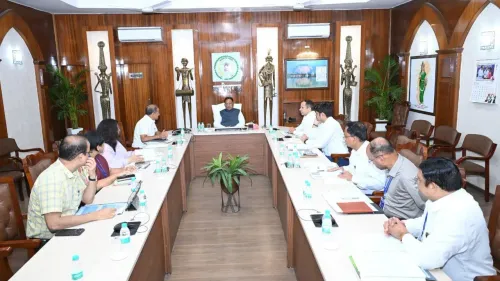
The Chhattisgarh cabinet , chaired by CM Vishnu Dev Sai , approved the formation of a ministerial sub-committee on 22 July 2026 at Mahanadi Bhawan , Raipur.
The sub-committee will ensure timely fertilizer availability for farmers during both kharif and rabi cropping seasons.
The Deputy Chief Minister (Public Works, Urban Administration, Sports portfolios) will chair the sub-committee; ministers of Agriculture, Cooperation, and Finance are members.
The Commissioner of Agricultural Production will serve as convener and coordinate between departments, experts, and other institutions.
The panel is empowered to invite departmental officials, subject-matter experts, and institutional representatives as needed.
The sub-committee's recommendations are expected to inform state procurement and allocation orders ahead of the 2026-27 rabi season .
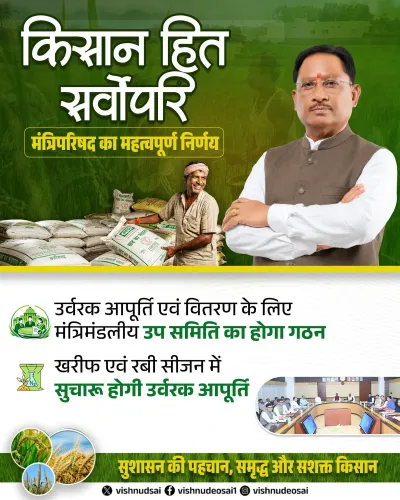
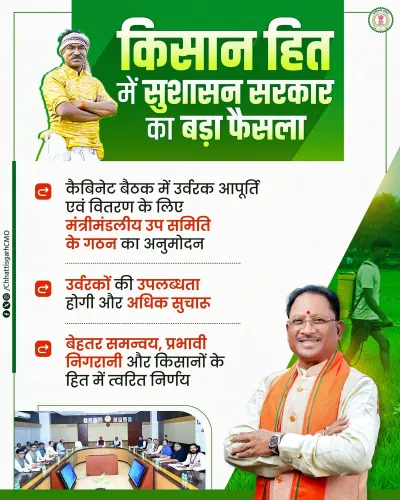
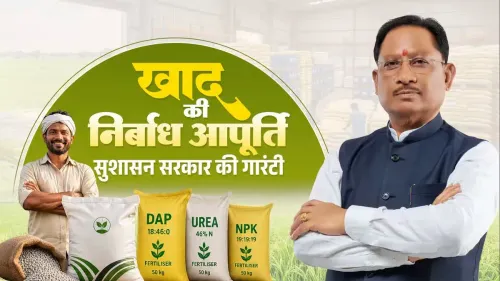
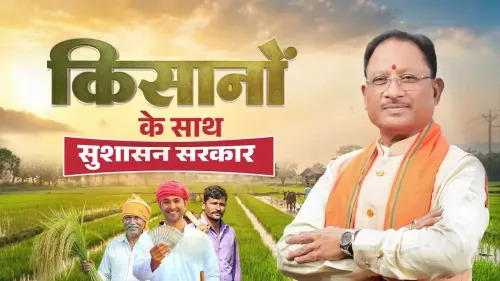
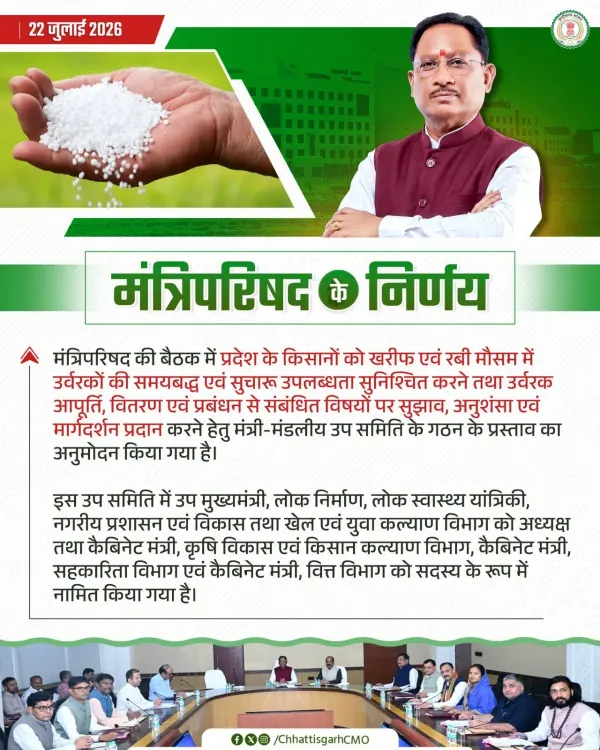
The Chief Minister's Office of Chhattisgarh announced on Wednesday, 22 July 2026 that a cabinet meeting chaired by Chief Minister Vishnu Dev Sai at Mahanadi Bhawan, Raipur, approved the formation of a ministerial sub-committee to ensure timely and smooth availability of fertilizers for farmers during both the kharif and rabi cropping seasons.
Context
The cabinet's post announced: 'मंत्री-मंडलीय उप समिति के गठन के प्रस्ताव का अनुमोदन किया गया है' ('The proposal for constituting a ministerial sub-committee has been approved'). The sub-committee is mandated to provide suggestions, recommendations, and guidance on matters related to fertilizer supply, distribution, and management across the state. It reflects the government's intent to address seasonal input shortages before they affect crop cycles.
Policy Backdrop
Chhattisgarh is a significant rice-producing state with a large farmer population that depends critically on timely agricultural inputs. Governments in the state have periodically reviewed fertilizer distribution mechanisms through cabinet-level oversight to prevent seasonal shortfalls. The new sub-committee's mandate integrates multiple departments — agriculture, cooperation, finance, and public works — consistent with multi-portfolio oversight models adopted by other Indian states facing supply logistics challenges. Such mechanisms also operate within the national Nutrient Based Subsidy framework while targeting state-specific distribution bottlenecks.
The approved structure designates the Deputy Chief Minister (holding portfolios of Public Works, Public Health Engineering, Urban Administration and Development, and Sports and Youth Welfare) as Chairperson. The Cabinet Minister for Agriculture Development and Farmer Welfare, the Cabinet Minister for Cooperation, and the Cabinet Minister for Finance have been named as members. The Commissioner of Agricultural Production will serve as the sub-committee's convener.
Stakeholders and Impact
The primary beneficiaries are farmers across Chhattisgarh who depend on fertilizers during both the kharif (summer-sown) and rabi (winter-sown) seasons. Delayed or inadequate fertilizer supply directly affects yield and farm income, making institutional oversight mechanisms crucial. The sub-committee is empowered to invite officials from relevant departments, subject-matter experts, and representatives of other institutions as needed, broadening the advisory base beyond the cabinet itself.
Fertilizer suppliers and cooperative societies involved in last-mile distribution are also key stakeholders, as the panel's recommendations could shape procurement timelines and allocation orders at the state level. Farmers in districts with historically poor distribution infrastructure stand to benefit most if the committee's guidance translates into concrete procurement and logistics improvements.
What's Next
The sub-committee is expected to begin deliberations ahead of the upcoming cropping seasons and submit its initial recommendations to the state government. Observers will watch for any subsequent state procurement orders or allocation decisions influenced by the panel's guidance, particularly before the 2026-27 rabi season. The committee's effectiveness will ultimately be measured by whether fertilizer availability on the ground improves for Chhattisgarh's farming communities.
Point of View
Not merely an administrative routine. By placing the Deputy Chief Minister at the helm and including finance and cooperation ministers, the cabinet has ensured cross-departmental accountability — a structure that can cut through inter-agency delays that have historically caused seasonal shortages. This move fits a broader BJP-governed state pattern of constituting high-level panels to demonstrate proactive farmer welfare governance ahead of election cycles. The real test, however, lies in whether the sub-committee's recommendations translate into measurable improvements in last-mile fertilizer delivery before the rabi season begins.
NationPress
21 Oct 2026
Frequently Asked Questions
What did the Chhattisgarh cabinet decide about fertilizers on 22 July 2026?
The Chhattisgarh cabinet approved the formation of a ministerial sub-committee to ensure timely and smooth availability of fertilizers for farmers during kharif and rabi seasons, and to provide recommendations on fertilizer supply, distribution, and management.
Who will chair the Chhattisgarh fertilizer ministerial sub-committee?
The Deputy Chief Minister of Chhattisgarh, holding portfolios of Public Works, Public Health Engineering, Urban Administration and Development, and Sports and Youth Welfare, has been named as the chairperson of the sub-committee.
Who are the members of the Chhattisgarh fertilizer sub-committee?
The Cabinet Minister for Agriculture Development and Farmer Welfare, the Cabinet Minister for Cooperation, and the Cabinet Minister for Finance are members. The Commissioner of Agricultural Production serves as convener.
Where was the Chhattisgarh cabinet meeting held on 22 July 2026?
The cabinet meeting was held at Mahanadi Bhawan, the state secretariat in Raipur, under the chairmanship of Chief Minister Vishnu Dev Sai.
How will the Chhattisgarh fertilizer sub-committee help farmers?
The sub-committee will advise the state government on fertilizer availability and supply, invite experts and institutional representatives as needed, and help prevent seasonal shortages that directly affect farm yields during kharif and rabi cropping seasons.