CM Sai meets NEET-2026 qualifiers from Eklavya tribal schools
Synopsis
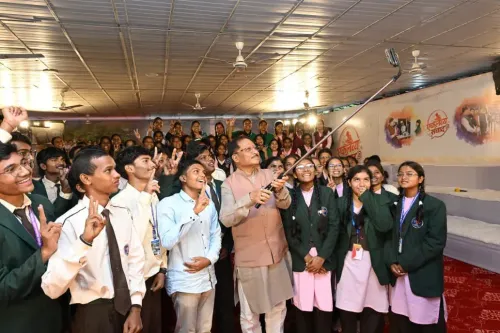
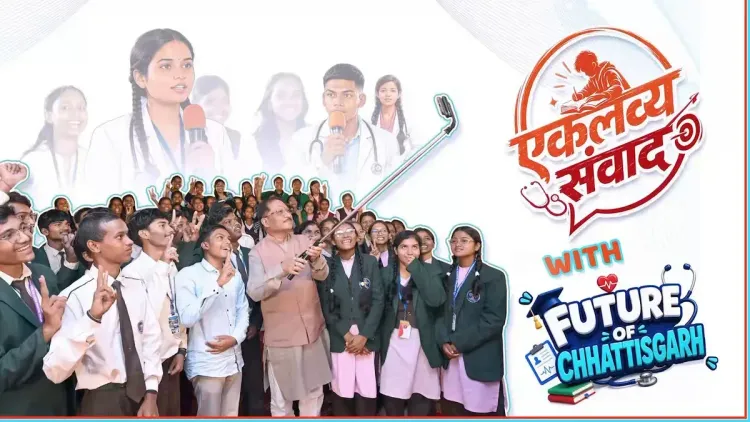
Chhattisgarh CM Vishnu Deo Sai met NEET-2026 qualifiers from Eklavya Model Residential Schools under the 'Eklavya Samvad' initiative, calling their success a glimpse of the state's future built on talent and equal opportunity.
Key Takeaways
CM Vishnu Deo Sai held an 'Eklavya Samvad' interaction with NEET-2026 qualifiers from Chhattisgarh's Eklavya Model Residential Schools on 30 July 2026 .
The Eklavya Model Residential Schools (EMRS) scheme was launched in 1997-98 by the Government of India to provide quality residential education to Scheduled Tribe children in remote areas.
Chhattisgarh's tribal population accounts for roughly 30 percent of the state's total, making EMRS outcomes a key policy indicator.
CM Sai said the students' success strengthens his belief that a 'developed Chhattisgarh' will be built on 'knowledge, talent, innovation, and equality of opportunity.' NEET and JEE results from Eklavya schools are increasingly watched as benchmarks for the effectiveness of India's tribal residential education investment.
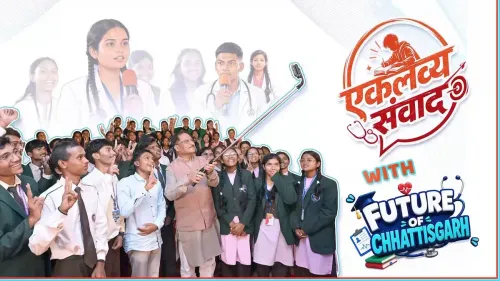
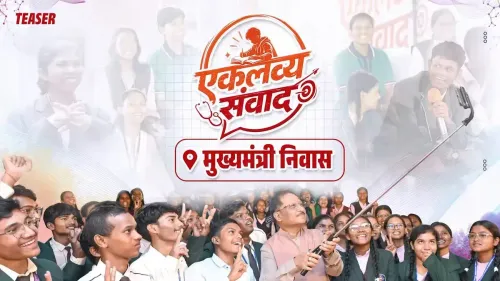
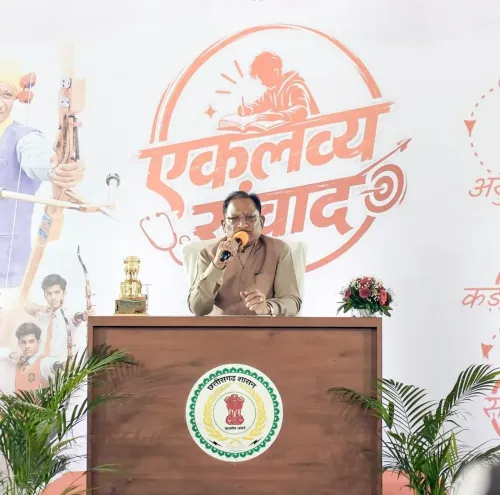
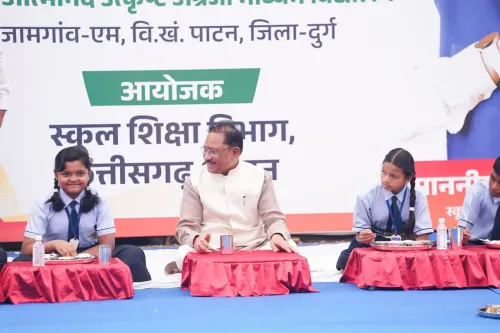
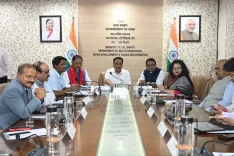
Tribal students from some of Chhattisgarh's most remote corners just cleared one of India's toughest medical entrance exams — and on Thursday, 30 July 2026, Chhattisgarh Chief Minister Vishnu Deo Sai sat down with them to hear their stories firsthand, under the state's 'Eklavya Samvad' (Eklavya Dialogue) initiative.
Speaking after the interaction, CM Sai said the session offered 'a beautiful glimpse of Chhattisgarh's bright future.' He congratulated every student, urging them to 'keep achieving new successes and illuminate the name of the state and the country with your talent.' The students, he noted, had earned their results through 'talent, hard work, and firm resolve.'
What are Eklavya schools — and why does NEET matter for them?
The Eklavya Model Residential Schools (EMRS) scheme was launched by the Government of India in 1997-98 under the Ministry of Tribal Affairs to bring quality residential education to Scheduled Tribe (ST) children in remote and tribal districts. Chhattisgarh, one of the country's most tribal-population-heavy states, hosts a significant number of these institutions. Clearing NEET — the National Eligibility cum Entrance Test, the single gateway to undergraduate medical and dental seats across India — is a formidable benchmark for any student. For children from ST communities in forested, infrastructure-thin districts, it represents a steeper climb still. NEET qualifiers from EMRS campuses are therefore held up as proof that the residential school model can deliver outcomes competitive with urban private institutions.The 'Eklavya Samvad' and what CM Sai heard
The interaction was framed not as a press event but as a direct conversation — a format the state has used to surface student voices and build a public narrative around tribal educational achievement. CM Sai described the students' success as reinforcing his belief that 'the future of a developed Chhattisgarh will be built on knowledge, talent, innovation, and equality of opportunity.' That phrase — equality of opportunity — carries policy weight in a state where tribal communities make up roughly 30 percent of the population and where access to quality coaching and schooling has historically been uneven. Success rates from Eklavya schools in competitive exams like NEET and JEE are increasingly watched as a barometer for whether central and state investment in tribal residential education is translating into measurable outcomes. Any expansion of EMRS infrastructure or state budget allocations toward coaching support will now be read against this year's results.Point of View
Educational outcomes in this demographic carry significant electoral and policy weight. Watch for whether this interaction is followed by concrete budget announcements or expanded coaching infrastructure for EMRS students ahead of the next academic cycle.
NationPress
30 Jul 2026
Frequently Asked Questions
What are Eklavya Model Residential Schools in Chhattisgarh?
Eklavya Model Residential Schools (EMRS) are central government-funded residential institutions under the Ministry of Tribal Affairs, established from 1997-98 to provide quality education to Scheduled Tribe children in remote and tribal areas. Chhattisgarh hosts several such schools given its large tribal population.
What is the 'Eklavya Samvad' initiative?
'Eklavya Samvad' is a state-level interaction programme in Chhattisgarh where Chief Minister Vishnu Deo Sai meets students from Eklavya Model Residential Schools to hear their experiences and celebrate their achievements in competitive examinations like NEET.
Did Eklavya school students from Chhattisgarh clear NEET 2026?
CM Vishnu Deo Sai's post on 30 July 2026 confirms he interacted with NEET-2026 qualifiers from Chhattisgarh's Eklavya Model Residential Schools, though specific student names and result details have not been officially published.
Who is Vishnu Deo Sai?
Vishnu Deo Sai is the Chief Minister of Chhattisgarh and a BJP leader who assumed office in December 2023 following the state assembly elections. He is also a prominent leader from the tribal community in the state.
Why is NEET success significant for tribal students in Chhattisgarh?
NEET is the sole entrance exam for undergraduate medical and dental admissions across India. For tribal students from remote districts with limited access to coaching and resources, clearing NEET represents a major achievement and signals improving educational outcomes under schemes like EMRS.