CM Sai highlights Nilangur's shift from Naxal shadow to development
Synopsis
Chhattisgarh CM Vishnu Deo Sai says Nilangur village in Narayanpur — long under Naxal shadow — is now receiving drinking water, electricity, education and PM Awas housing, presenting it as a model of Bastar's development under the BJP's 'Sushasan' governance framework.
Key Takeaways
Nilangur village in Narayanpur district , Bastar division, was historically affected by Naxal influence and lacked basic infrastructure.
CM Vishnu Deo Sai says drinking water, electricity, education and PM Awas Yojana housing are now being delivered to the village.
The Sai government has framed this under its 'Sushasan' (good governance) model, prioritising welfare rollout in former LWE-affected blocks since December 2023 .
The Aspirational Districts Programme (2018) and Pradhan Mantri Awas Yojana (2015) are among the central schemes being implemented in Narayanpur .
The development push is part of a dual-track approach combining security operations with welfare delivery to establish state presence in remote tribal areas of Bastar .
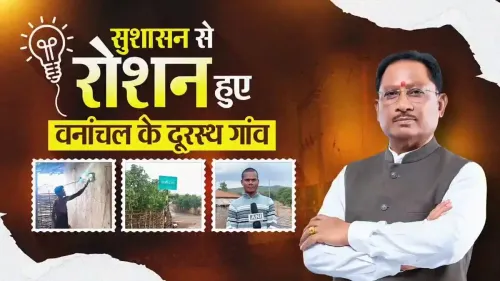
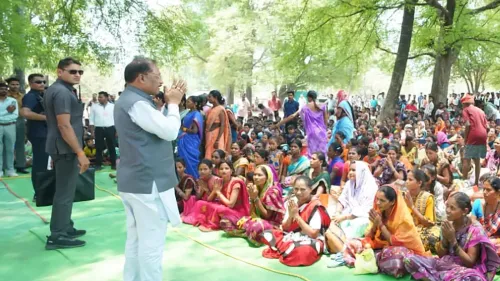
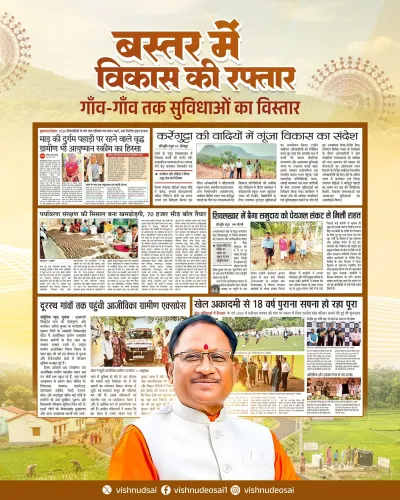
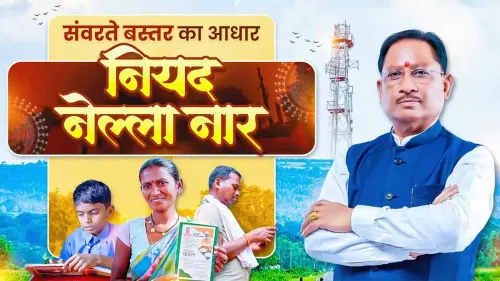
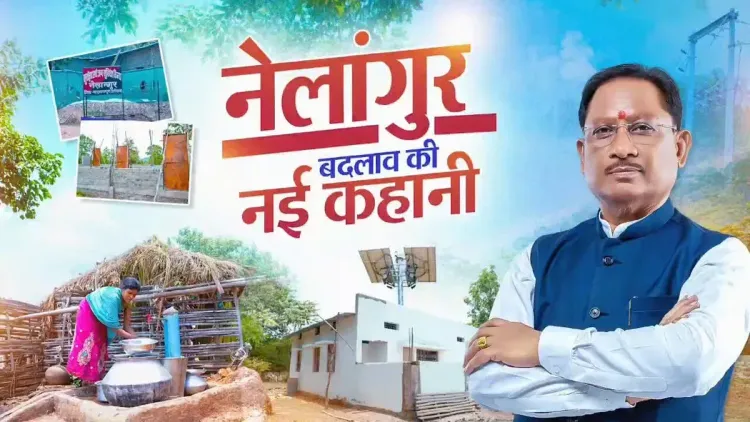
Chhattisgarh Chief Minister Vishnu Deo Sai on Monday, 15 June 2026 highlighted the transformation of Nilangur village in Narayanpur district, saying the settlement once synonymous with Naxal influence and absent basic infrastructure is now emerging as a symbol of development and trust.
Posting on X, CM Sai wrote: 'Narayanpur ka Nilangur, jo kabhi Naxal prabhav aur buniyadi suvidhaon ke abhav ke liye jaana jaata tha, aaj vikas aur vishwas ki nayi pehchaan ban raha hai' — ('Nilangur of Narayanpur, once known for Naxal influence and lack of basic facilities, is today becoming a new identity of development and trust.')
He added that under the 'Sushasan' (good governance) government, essentials including drinking water, electricity, education and PM Awas Yojana housing are now reaching the village, presenting Nilangur as a 'strong picture of Bastar's new hopes and development.'
Context
Narayanpur is a district within Chhattisgarh's Bastar division, a region long characterised by significant tribal populations and decades of Left-Wing Extremism (LWE). Persistent Naxal activity historically disrupted government delivery of services, leaving remote villages with minimal road access, power supply and public housing.
The Bastar division comprises multiple districts where state presence was constrained for years. Villages such as Nilangur — deep inside forested terrain — were among the last to receive basic welfare infrastructure.
Policy Backdrop
After the BJP formed government in Chhattisgarh following the December 2023 assembly elections, the Sai administration framed its governance approach around a 'Sushasan' framework, prioritising infrastructure rollout in Naxal-affected blocks. This aligns with the broader dual-track strategy pursued by state and central governments: security operations against Naxal groups alongside welfare and infrastructure delivery to build state presence in remote tribal areas.
The central government's Aspirational Districts Programme, initiated in 2018, had already identified Narayanpur and other Bastar districts for accelerated delivery of water, power and housing. The Pradhan Mantri Awas Yojana, launched in 2015, has been specifically extended to LWE-affected areas to provide pucca houses to rural poor — a scheme CM Sai explicitly cited in his post as now reaching Nilangur.
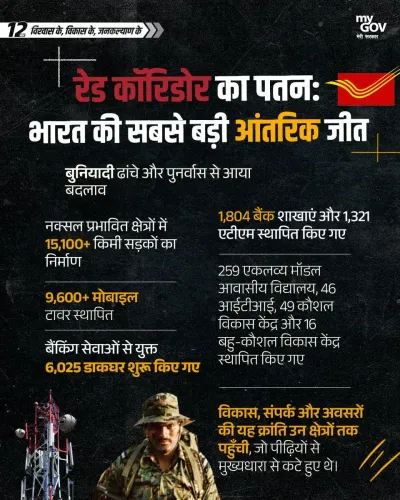
This pattern builds on earlier central initiatives targeting 90 LWE districts through road connectivity, mobile towers and housing under various flagship programmes between 2014 and 2023.
Stakeholders and Impact
The primary beneficiaries are tribal villagers in Bastar's gram panchayats that were previously under Naxal influence. For these communities, access to drinking water, electricity and formal housing represents a foundational shift in daily living conditions and economic security.
For the state government, visible delivery of central schemes in formerly inaccessible areas serves as a political and administrative marker of restored governance. The Sai administration has positioned such milestones as evidence that the 'Sushasan' model is producing measurable outcomes in the state's most challenging geographies.
What's Next
Quarterly updates from Chhattisgarh's rural development department on scheme saturation in Narayanpur will indicate whether the Nilangur model is being replicated across other LWE-affected panchayats in the division. Data from the Ministry of Home Affairs on Naxal violence trends in Bastar will also provide a broader indicator of whether the security-and-development approach is achieving durable results on the ground.
If the infrastructure rollout in villages like Nilangur sustains momentum, it could strengthen the template for integrating remote tribal settlements into the formal welfare network — a goal that successive governments have pursued but found difficult to complete at scale.
Point of View
The administration builds a narrative of granular, ground-level change — useful both as governance communication and as a counter to criticism that security operations alone define Bastar policy. The post also signals continuity with the central government's Aspirational Districts and LWE-focused programmes, reinforcing the state-centre alignment that has defined BJP's approach to the region since 2023. Whether Nilangur represents a replicable template or a curated showcase will depend on independent verification of scheme saturation across Narayanpur's remaining panchayats.
NationPress
19 Sept 2026
Frequently Asked Questions
What is Nilangur village and where is it located?
Nilangur is a village in Narayanpur district , part of the Bastar division in southern Chhattisgarh. It was historically known for Naxal influence and limited access to basic government services.
What development work is happening in Nilangur village?
According to CM Vishnu Deo Sai, Nilangur is now receiving drinking water, electricity, education facilities and housing under the Pradhan Mantri Awas Yojana as part of the state's 'Sushasan' governance push.
What is the Sushasan framework mentioned by CM Sai?
'Sushasan' means 'good governance' in Hindi. The Vishnu Deo Sai government has used this term to describe its post-2023 administrative approach, which prioritises delivery of central welfare schemes in Naxal-affected and remote tribal areas of Chhattisgarh.
What is the Pradhan Mantri Awas Yojana and does it cover Bastar?
The Pradhan Mantri Awas Yojana , launched in 2015 , provides pucca (permanent) houses to rural and urban poor. It has been specifically extended to Left-Wing Extremism-affected areas including districts in Bastar division .
Has Naxal violence reduced in Narayanpur and Bastar?
The state and central governments have pursued a dual-track approach of security operations alongside welfare delivery in Bastar . Definitive trend data on Naxal violence in Narayanpur is tracked by the Ministry of Home Affairs and updated periodically.