CM Sai Orders Flood Relief Surveys, Vows No Family Left Behind
Synopsis
Chhattisgarh CM Vishnu Deo Sai on September 29 directed officials to swiftly survey flood damage to houses, crops and livestock, and ensure uninterrupted drinking water and health services, invoking the State Disaster Response Fund framework for relief.
Key Takeaways
CM Vishnu Deo Sai issued flood relief directives on September 29, 2026 , pledging that no affected family would face the crisis alone.
Officials ordered to conduct swift surveys of damage to houses, crops, and livestock in affected areas.
Compensation to be provided under SDRF (State Disaster Response Fund) norms as mandated by the Disaster Management Act, 2005 .
Drinking water and health services must remain uninterrupted in all flood-hit zones.
District-level disaster management mechanisms expected to shift immediately from rescue to rehabilitation and survey mode.
Timely relief delivery to every affected person described as the government's 'highest priority' .
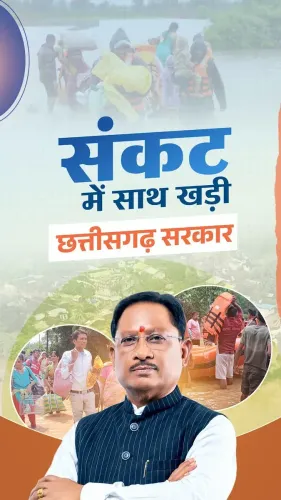
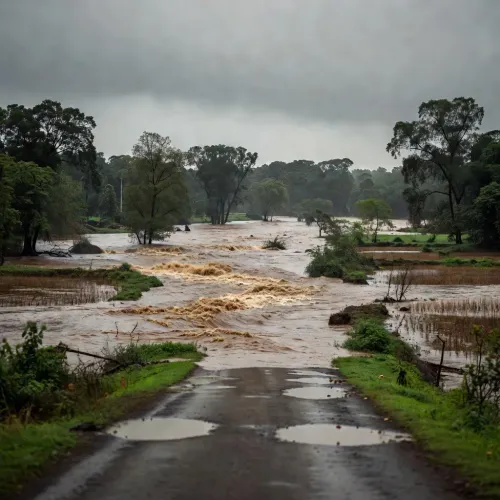
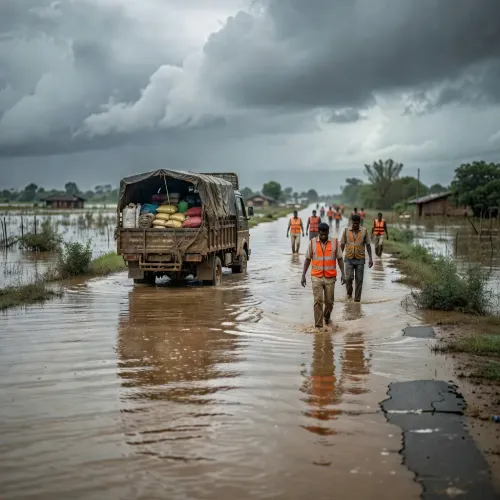
Monsoon floods have battered rural Chhattisgarh, and Chief Minister Vishnu Deo Sai is putting the full weight of his administration behind the response — pledging that every affected family will receive timely relief and that no one will face the crisis alone. The Chief Minister made the commitment on Tuesday, September 29, 2026, issuing direct instructions for rapid damage surveys and uninterrupted essential services across flood-hit districts.
What Sai has ordered on the ground
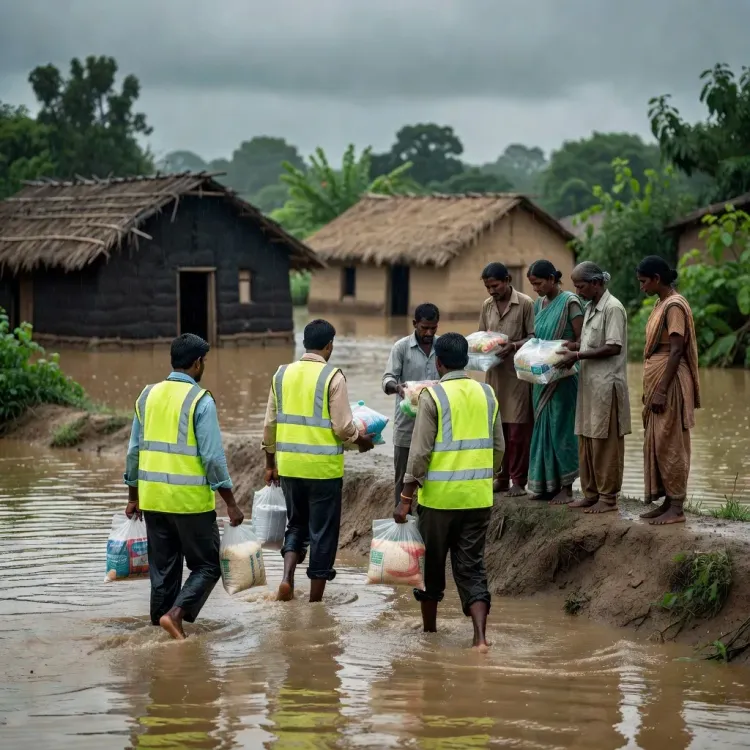
In his post, CM Sai stated — 'बाढ़ की कठिन घड़ी में हमारी सरकार पूरी संवेदनशीलता के साथ प्रत्येक प्रभावित परिवार के साथ खड़ी है' ('In this difficult hour of floods, our government stands with every affected family with complete sensitivity'). He directed officials to reach affected areas and ensure relief and rehabilitation work is carried out on the ground.
The instructions cover three specific areas of loss: houses, crops, and livestock. Sai ordered that surveys for all three categories be completed 'swiftly' so that assistance can be provided as per rules. Alongside compensation, he stressed that drinking water and health services must remain available without interruption in the affected zones.
The legal and financial machinery behind the promise
The framework Sai is invoking is the Disaster Management Act, 2005, which mandates state governments to conduct damage surveys and disburse ex-gratia payments from the State Disaster Response Fund (SDRF) during natural calamities. The SDRF lays out defined rates for compensation against damaged homes, crop loss, and cattle loss — meaning the Chief Minister's directive plugs directly into an existing, structured relief pipeline.
Chhattisgarh, a central Indian state with large agrarian and forested rural districts, faces recurring flood damage during the monsoon season. Farmers and rural households — who bear the heaviest losses from inundated fields and damaged homes — are the primary beneficiaries of the SDRF mechanism that the CM has now activated.
State leadership as a signal to district machinery
Across India's flood-prone states, a Chief Minister's public statement during a flood crisis serves a dual purpose: it is both a reassurance to affected citizens and a direct directive to district collectors and disaster management officials to accelerate the relief chain. In Chhattisgarh's case, Sai's post signals that district-level disaster management mechanisms must now shift into active rehabilitation mode — from rescue to survey to compensation.
The key test now is execution: how quickly damage surveys translate into actual payments reaching farmers and families in the affected blocks. As the CM himself framed it, 'हर जरूरतमंद तक समय पर राहत और सहायता पहुंचाना हमारी सर्वोच्च प्राथमिकता है' — 'Delivering timely relief to every person in need is our highest priority.'
The clock on that promise starts now.
Point of View
Swift SDRF disbursement to farmers and rural households is critical: delays in compensation have historically become political liabilities in agrarian states. The directive's explicit mention of livestock and crop damage — not just housing — reflects a granular understanding of rural loss patterns and aligns with the party's broader farmer-welfare positioning. The real political verdict arrives not from the tweet, but from how fast surveys conclude and payments reach the most remote flood-affected blocks.
NationPress
29 Sept 2026
Frequently Asked Questions
What relief has CM Vishnu Deo Sai announced for flood-affected families in Chhattisgarh?
CM Sai has directed officials to conduct swift surveys of damage to houses, crops, and livestock, and to provide compensation under SDRF rules. He has also ordered uninterrupted drinking water and health services in flood-affected areas.
What is the SDRF and how does it help flood victims in Chhattisgarh?
The State Disaster Response Fund (SDRF) is a financial mechanism under the Disaster Management Act, 2005, that state governments use to pay ex-gratia compensation to flood victims for losses including damaged homes, destroyed crops, and cattle deaths.
Which areas of Chhattisgarh are affected by floods?
Specific districts have not been officially named in the Chief Minister's statement. Chhattisgarh's rural and agrarian districts are historically vulnerable to monsoon flooding each year.
What steps is the Chhattisgarh government taking for flood rehabilitation?
The government has activated district-level disaster management mechanisms, ordered on-ground relief and rehabilitation operations, and directed rapid damage surveys to expedite compensation payments to affected families.
How can flood-affected families in Chhattisgarh access relief?
Relief is being routed through district administration teams reaching affected areas directly. Compensation will be provided as per SDRF norms following completion of damage surveys for houses, crops, and livestock.