CM Sai Pays Tribute to Mangal Pandey on Birth Anniversary
Synopsis
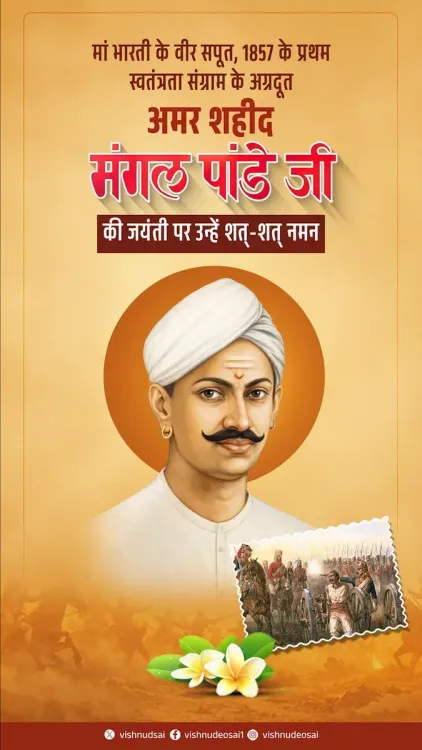
Chhattisgarh Chief Minister Vishnu Deo Sai on 19 July 2026 honoured Mangal Pandey, the 1857 martyr-sepoy, on his birth anniversary, calling his sacrifice an enduring inspiration for every Indian's dedication to the motherland.
Key Takeaways
CM Vishnu Deo Sai posted a tribute to Mangal Pandey on his birth anniversary, 19 July 2026 .
Mangal Pandey was a sepoy in the 34th Bengal Native Infantry whose attack on British officers on 29 March 1857 at Barrackpore is a landmark moment in India's anti-colonial history.
The Government of India officially designates the 1857 uprising as the First War of Independence.
In 2007 , India observed the 150th anniversary of the revolt with nationwide commemorations, stamps, and institution-naming.
BJP-led state governments regularly issue public tributes to 1857 figures as part of a broader commemorative pattern ahead of 15 August .
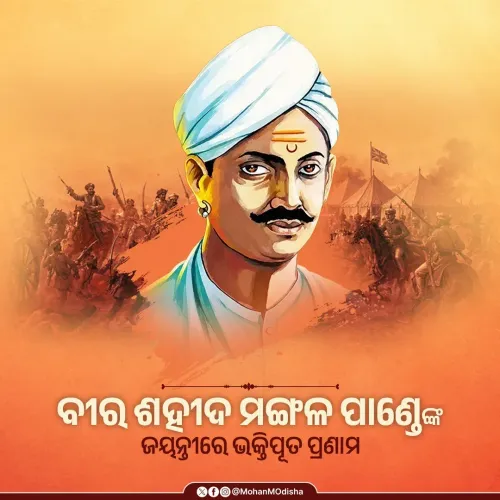
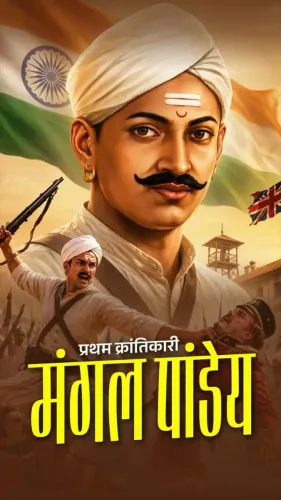
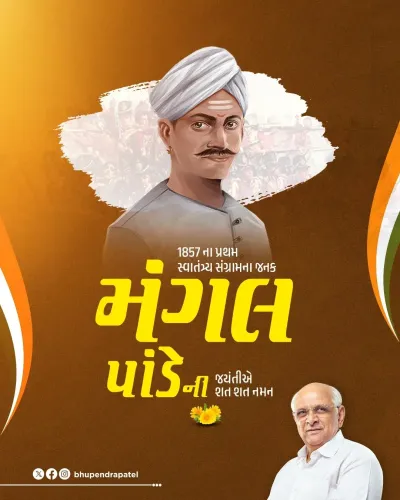
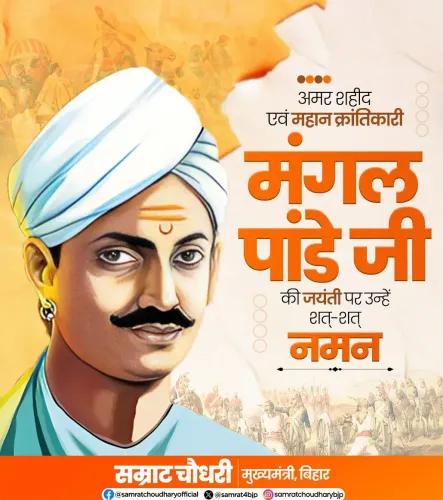
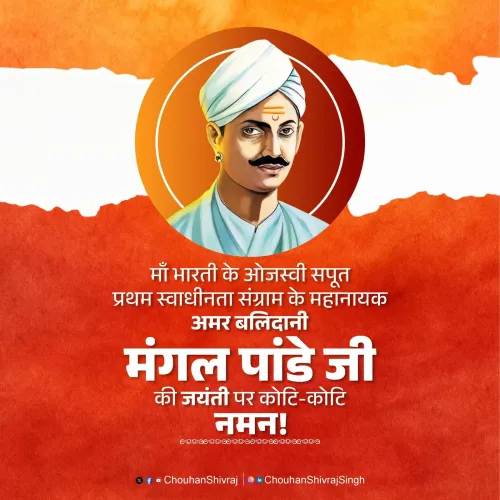
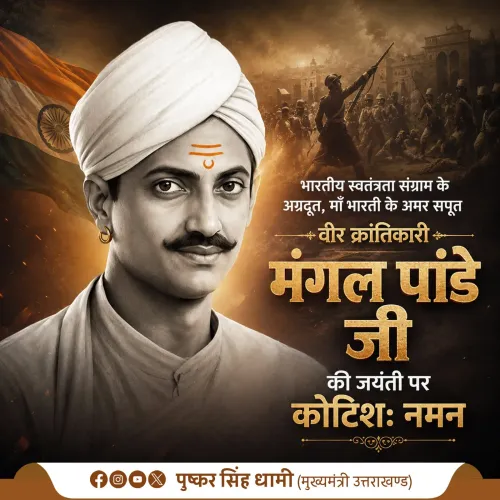
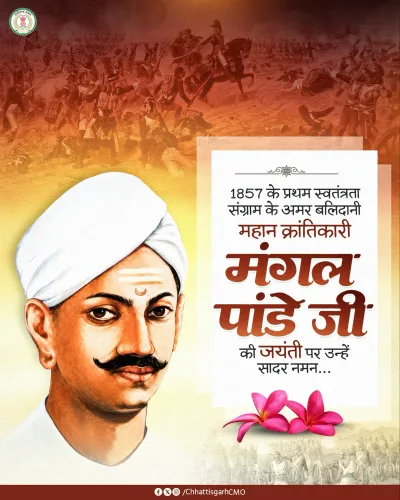
Chhattisgarh Chief Minister Vishnu Deo Sai on Sunday, 19 July 2026 paid tribute to Mangal Pandey, the martyr-sepoy whose defiance in 1857 is recognised as an early spark of India's First War of Independence, marking the freedom fighter's birth anniversary with a message on X.
In his post, CM Sai wrote — '1857 ke pratham swatantrata sangram ke amar senani, veer shaheed Mangal Pandey ji ki jayanti par unhe vinamra shraddhanjali' ['On the birth anniversary of the immortal fighter of the First War of Independence of 1857, brave martyr Mangal Pandey, I offer humble tribute']. He added that Pandey's 'indomitable courage, unparalleled sacrifice and immortal saga of patriotism will continue to inspire every Indian to serve the motherland and remain dedicated to the nation.'
Context
Mangal Pandey served as a sepoy in the 34th Bengal Native Infantry of the East India Company. On 29 March 1857, he attacked British officers at Barrackpore, an act widely cited as one of the earliest open acts of armed resistance that preceded the broader uprising across northern and central India. He was executed on 8 April 1857. The Government of India officially designates the 1857 uprising as the First War of Independence.
His birth anniversary falls on 19 July, and tributes from political leaders across the spectrum have been a consistent feature of the date in Indian public life. CM Sai's message was accompanied by a video, underlining the ceremonial nature of the commemoration.
Policy Backdrop
In 2007, the Government of India marked the 150th anniversary of the 1857 revolt through nationwide events, commemorative postage stamps, and the naming of roads and public institutions after its participants. Mangal Pandey's legacy has since been institutionalised through memorials, a biographical Hindi film, and references in school curricula.
BJP-led state governments have made a pattern of publicly honouring 1857 figures, foregrounding narratives of armed resistance and national unity that predate the Indian National Congress. Such commemorations are part of a broader state-level effort to widen the pantheon of celebrated freedom fighters.
Stakeholders and Impact
The tribute is directed at the general public and, in particular, students and younger citizens for whom Mangal Pandey represents a foundational moment in India's anti-colonial history. Messages of this kind from sitting chief ministers carry institutional weight, reinforcing the figure's place in official memory.
For Chhattisgarh, a state with a significant tribal population that has its own distinct traditions of resistance against colonial rule, the invocation of 1857 connects local identity to a national narrative of sacrifice and sovereignty.
What's Next
Similar commemorative messages from BJP chief ministers and central government leaders are expected in the weeks leading to 15 August, India's Independence Day. The broader cycle of freedom-fighter anniversaries between July and August typically sees heightened official messaging around themes of patriotism and national sacrifice.
The frequency and scale of such tributes are likely to intensify as 15 August 2026 approaches, with state governments using digital platforms to anchor public memory around pre-Independence milestones.
Point of View
BJP-led state governments reinforce a historical narrative that centres armed resistance and individual sacrifice over mass-movement politics. The timing — weeks before Independence Day — is consistent with a seasonal pattern of freedom-fighter commemorations designed to keep nationalist sentiment in the public conversation. For Chhattisgarh specifically, connecting to the 1857 legacy also allows the state government to frame its own governance within a continuum of national service. The message, while ceremonial, is a data point in the BJP's longer-term effort to shape which figures anchor India's official memory of the independence struggle.
NationPress
19 Jul 2026
Frequently Asked Questions
Who was Mangal Pandey and why is he famous?
Mangal Pandey was a sepoy in the 34th Bengal Native Infantry of the East India Company who attacked British officers at Barrackpore on 29 March 1857, an act widely regarded as one of the earliest sparks of the First War of Independence. He was executed on 8 April 1857 and is celebrated as a national martyr in India.
When is Mangal Pandey's birth anniversary?
Mangal Pandey's birth anniversary is observed on 19 July each year.
What did CM Vishnu Deo Sai say about Mangal Pandey?
CM Sai offered humble tribute to Mangal Pandey on his birth anniversary, stating that Pandey's indomitable courage, unparalleled sacrifice and patriotism would continue to inspire every Indian to serve the motherland and remain dedicated to the nation.
What is the First War of Independence of 1857?
The 1857 uprising, officially termed the First War of Independence by the Government of India, was a large-scale revolt involving sepoys, local rulers and civilians across northern and central India against the rule of the British East India Company.
Why do BJP leaders frequently pay tribute to 1857 freedom fighters?
BJP-led governments have made a consistent practice of honouring 1857 figures to foreground narratives of armed resistance and national unity, widening the official pantheon of freedom fighters beyond leaders associated with the Indian National Congress.