CM Sai Pitches AI, Space Tech for Chhattisgarh Schools
Synopsis
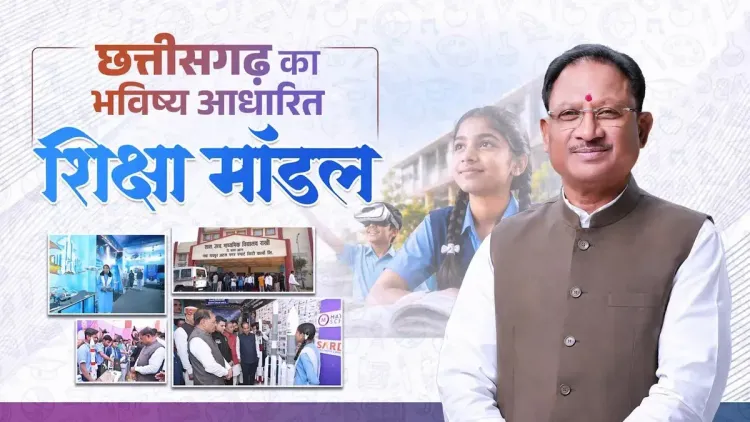
Chhattisgarh Chief Minister Vishnu Deo Sai on 22 July 2026 called for education that goes beyond textbooks, pledging to give state school students access to artificial intelligence and space technology as part of a 'good governance' push aligned with NEP 2020.
Key Takeaways
CM Vishnu Deo Sai stated on 22 July 2026 that Chhattisgarh's education system must prepare students for future challenges beyond textbook learning.
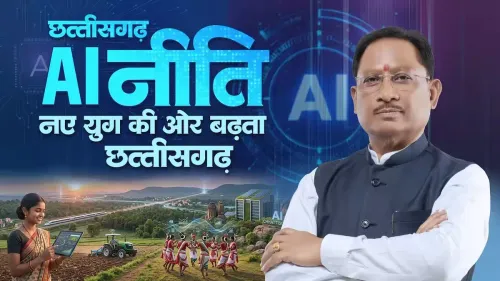
The Chief Minister specifically cited space technology and artificial intelligence as modern opportunities being made available to students.
He described the initiative as a product of sushasan (good governance) and linked student success to the broader goal of a 'Viksit Chhattisgarh'.
The stated policy direction mirrors the National Education Policy 2020 , which mandates AI, coding, and science modules in school curricula.
Concrete implementation — including budget allocations and curriculum circulars — is yet to be publicly detailed by the Chhattisgarh education department .
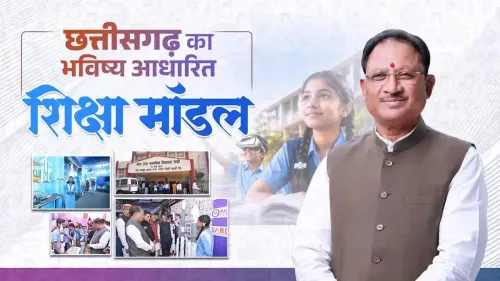
Chhattisgarh Chief Minister Vishnu Deo Sai on Wednesday, 22 July 2026, reaffirmed his government's commitment to equipping state school students with modern technology skills, stating that education must go beyond textbooks to prepare children for future challenges — with specific emphasis on space technology and artificial intelligence.
Context
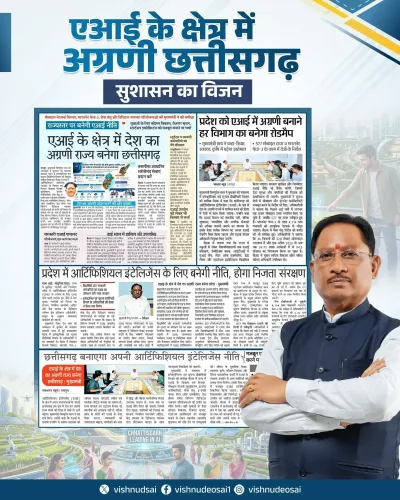
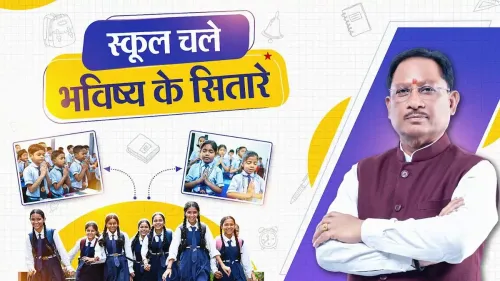
In a post on X, CM Sai articulated the philosophy underpinning his administration's education agenda: 'शिक्षा का उद्देश्य केवल पाठ्यपुस्तकों तक सीमित नहीं' ['The purpose of education is not limited to textbooks alone'], but rather to give children's talent a new direction and ready them for future challenges. He described this as the outlook of a 'sushasan sarkar' — a 'good governance government' — and said it was already visible in Chhattisgarh's education system.
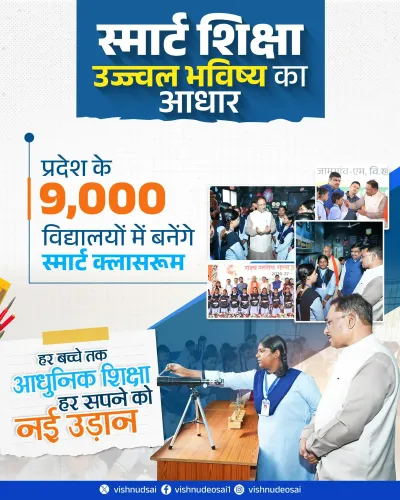
The Chief Minister added that students across the state are being provided opportunities in areas ranging from space technology to artificial intelligence, and expressed a resolve that every child in the state should realise their dreams through new technology, innovation, and quality education — becoming a participant in building a 'Viksit Chhattisgarh' (Developed Chhattisgarh).
Policy Backdrop
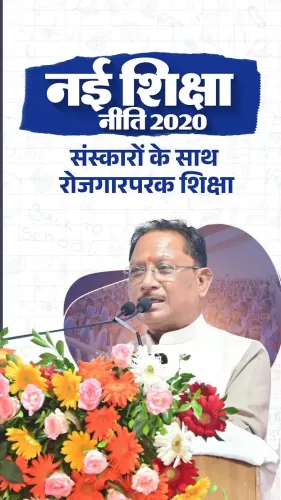
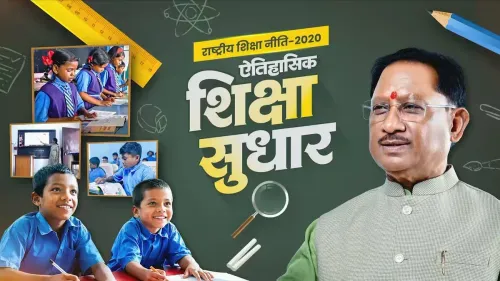
The statement aligns closely with the National Education Policy (NEP) 2020, the Union government's landmark policy that replaced the 1986 framework and explicitly mandates multidisciplinary learning, vocational skills, coding, AI, and space-science modules at the school level. Chhattisgarh, like several other BJP-governed states, has positioned its education reforms within this national framework.
At the Union level, initiatives such as Atal Tinkering Labs and the National AI Mission have provided the broader scaffolding for state-level STEM and technology integration programmes. CM Sai's framing of 'sushasan' as the driver of these reforms echoes the governance vocabulary used by the Bharatiya Janata Party (BJP) at both state and central levels to signal administrative intent on education modernisation.
Stakeholders and Impact
The primary beneficiaries, as described by the Chief Minister, are school students across Chhattisgarh, particularly those in government-run institutions who may otherwise lack access to technology-oriented learning environments. The state education department would be the implementing body responsible for translating these stated goals into curriculum and infrastructure.
For a state where a significant share of students attend rural government schools, access to AI and space-technology learning tools represents a meaningful ambition. The framing of student participation in building a 'Viksit Chhattisgarh' also connects individual educational outcomes to the state's broader development narrative.
What's Next
Observers will watch for concrete follow-through in the form of state budget allocations for technology labs, curriculum circulars from the Chhattisgarh education department, and any formal scheme announcements in the coming academic year. The degree to which the state's technology-in-education push translates from policy intent to classroom reality will be the critical test of the vision CM Sai outlined on Wednesday.
Point of View
He links classroom outcomes to the party's broader developmental brand, mirroring language used by the Union government on NEP 2020 and Atal Tinkering Labs. The post's timing — well into the academic year — suggests it is part of an ongoing communications effort to signal intent rather than announce a new scheme. The real test will come when state budget documents and departmental orders either validate or undercut the ambition.
NationPress
22 Jul 2026
Frequently Asked Questions
What did Chhattisgarh CM Vishnu Deo Sai say about education?
CM Vishnu Deo Sai said on 22 July 2026 that education must go beyond textbooks to prepare children for future challenges, and that Chhattisgarh students are being given access to space technology and artificial intelligence as part of his government's 'good governance' vision.
Is Chhattisgarh introducing AI in school education?
CM Sai has stated that modern opportunities including artificial intelligence and space technology are being made available to students in Chhattisgarh, though specific scheme details or budget allocations have not been publicly confirmed.
How does Chhattisgarh's education push relate to NEP 2020?
The National Education Policy 2020 explicitly mandates AI, coding, and space-science modules in school curricula. Chhattisgarh's stated direction aligns with this national framework, which BJP-governed states have broadly cited as the basis for technology-in-education initiatives.
What is 'Viksit Chhattisgarh' mentioned by CM Sai?
'Viksit Chhattisgarh' means 'Developed Chhattisgarh' — a state-level development goal articulated by the Sai government, within which education and skill development for students is framed as a key pillar.
When did Vishnu Deo Sai become Chief Minister of Chhattisgarh?
Vishnu Deo Sai was sworn in as Chief Minister of Chhattisgarh in December 2023 after the BJP won the state assembly elections.