CM Sai Plants Rudraksha Sapling Under Ek Ped Maa Ke Naam 3.0
Synopsis
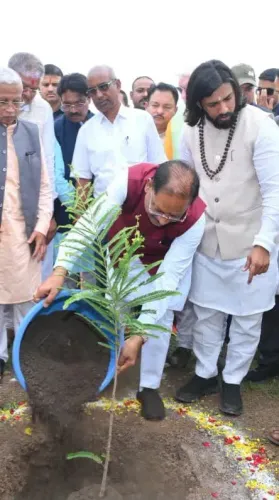
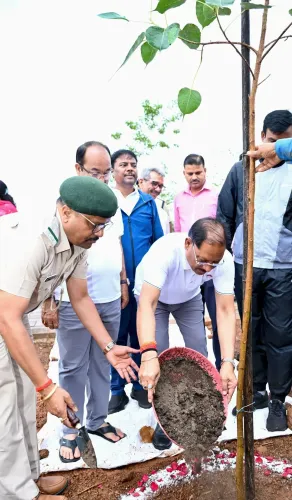
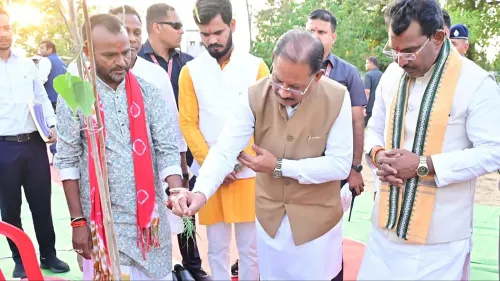
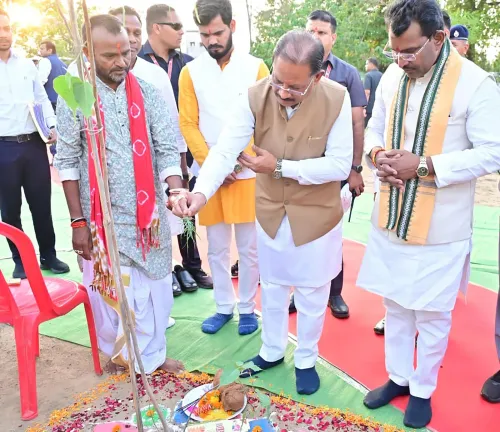
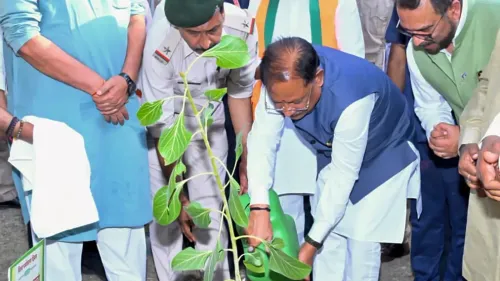
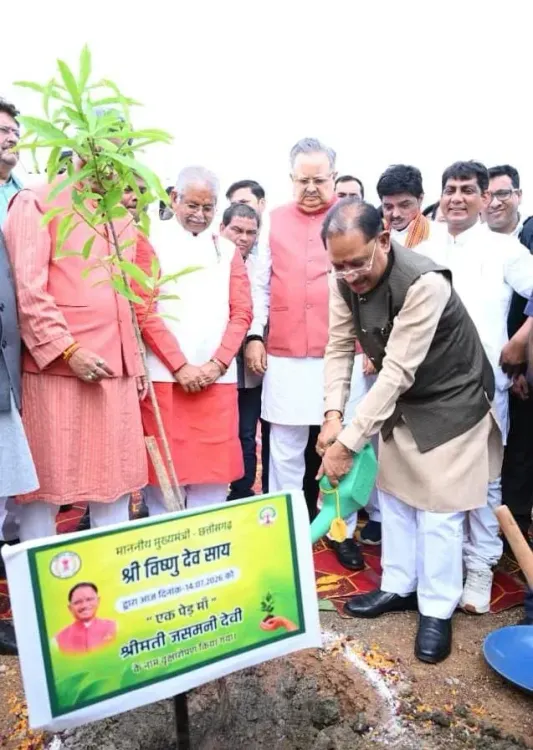
Chief Minister Vishnu Deo Sai planted a rudraksha sapling at the Chhattisgarh Vidhan Sabha during the monsoon session, participating in the Ek Ped Maa Ke Naam 3.0 campaign and urging citizens to plant trees in their mothers' honour for a greener Chhattisgarh.
Key Takeaways
CM Vishnu Deo Sai planted a rudraksha sapling at the Chhattisgarh Vidhan Sabha premises on 14 July 2026 .
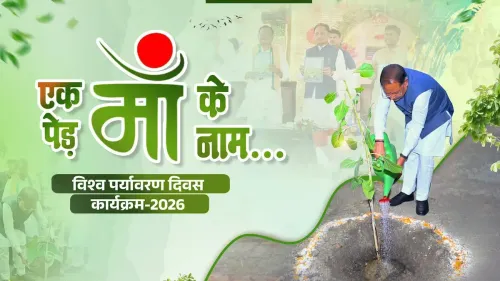
The event was part of the Ek Ped Maa Ke Naam 3.0 campaign, the third phase of a national afforestation initiative.
The original Ek Ped Maa Ke Naam campaign was launched nationally in 2024 to promote citizen-led tree plantation.
CM Sai called on all residents of Chhattisgarh to plant and regularly nurture a sapling in their mother's honour.
The plantation was conducted during the state legislature's ongoing Pavas (monsoon) session , linking governance with environmental responsibility.
Long-term sapling survival rates across districts will be the key indicator of the campaign's ecological success.
Chief Minister Vishnu Deo Sai of Chhattisgarh planted a rudraksha sapling inside the Chhattisgarh Vidhan Sabha premises during the ongoing monsoon (Pavas) session of the state legislature, participating in the 'Ek Ped Maa Ke Naam 3.0' campaign. The gesture, made on 14 July 2026, was accompanied by a call to residents across the state to join the drive and plant trees in honour of their mothers.
Context
The Chief Minister's Office of Chhattisgarh shared the event on X, noting that 'हर एक पौधा हरित, समृद्ध और सुरक्षित भविष्य का संकल्प है' — 'every sapling is a pledge for a green, prosperous and secure future.' CM Sai chose the rudraksha — a tree of cultural and ecological significance — for the symbolic plantation, reinforcing the campaign's dual emphasis on nature and heritage.
Speaking at the occasion, Sai urged citizens to plant at least one sapling in their mother's honour, care for it regularly, and contribute actively to building a clean, green, and healthy Chhattisgarh for future generations.
Policy Backdrop
The 'Ek Ped Maa Ke Naam' campaign was originally launched at the national level in 2024 by the Government of India as a mass afforestation initiative anchored in personal and familial sentiment. The idea was to make tree plantation an emotionally resonant act rather than a bureaucratic exercise, linking each sapling to a citizen's mother.
Chhattisgarh has adapted the campaign through successive iterations — now in its third phase (3.0) — scaling up community participation and embedding the drive within the state's broader environmental and forest-cover goals. Conducting the plantation inside the Vidhan Sabha complex during a legislative session signals the government's intent to visibly align governance with sustainability messaging.
Stakeholders and Impact
The primary audience for the campaign is the general public of Chhattisgarh, who are being invited to participate individually and collectively. By situating the event at the legislature, the government also sends a signal to elected representatives that environmental stewardship is a legislative priority, not merely an administrative one.
Chhattisgarh is among India's more forested states, and campaigns of this nature are intended to supplement official afforestation programmes with citizen-driven action. The survival and long-term care of planted saplings — rather than the planting event itself — will determine the campaign's ecological impact.
What's Next
The success of Ek Ped Maa Ke Naam 3.0 will be measured by the scale of public participation across Chhattisgarh's districts in the weeks following the legislative session. Authorities and civil society groups are likely to track plantation numbers and, critically, sapling survival rates — a metric that has historically distinguished meaningful green drives from symbolic ones.
If district-level mobilisation picks up momentum during the monsoon season — the optimal window for planting — the campaign could contribute meaningfully to the state's long-term forest and green-cover targets under Viksit Chhattisgarh goals.
Point of View
CM Sai deliberately fuses the symbolism of governance with environmental commitment — a pattern increasingly common among BJP-led state governments seeking to align with the Centre's green branding. The choice of rudraksha carries cultural weight that amplifies the campaign's emotional appeal beyond a routine plantation drive. The third iteration of Ek Ped Maa Ke Naam signals that the campaign has found traction as a recurring policy instrument rather than a one-off event. The real test, however, lies in whether district-level implementation translates visible symbolism into measurable gains in Chhattisgarh's forest and green cover.
NationPress
14 Jul 2026
Frequently Asked Questions
What is the Ek Ped Maa Ke Naam campaign?
Ek Ped Maa Ke Naam is a tree plantation campaign that encourages citizens to plant and nurture a sapling in honour of their mothers. It was originally launched by the Government of India in 2024 to promote nationwide afforestation through personal and community participation.
What did CM Vishnu Deo Sai do at the Vidhan Sabha on 14 July 2026?
CM Vishnu Deo Sai planted a rudraksha sapling inside the Chhattisgarh Vidhan Sabha premises during the monsoon (Pavas) session of the state legislature as part of the Ek Ped Maa Ke Naam 3.0 campaign.
What is Ek Ped Maa Ke Naam 3.0?
Ek Ped Maa Ke Naam 3.0 is the third phase of Chhattisgarh's state-level adaptation of the national tree plantation campaign, aimed at scaling up community participation in afforestation during the monsoon season.
Why did CM Sai choose a rudraksha plant?
The rudraksha tree holds cultural and religious significance in India, and its selection reinforces the campaign's dual emphasis on ecological conservation and cultural heritage, giving the plantation drive added symbolic resonance.
How can Chhattisgarh residents participate in the Ek Ped Maa Ke Naam campaign?
CM Sai has urged all residents of Chhattisgarh to plant at least one sapling in their mother's honour, care for it regularly, and contribute to building a clean and green Chhattisgarh for future generations.