CM Sai Raises Honorarium for Bastar's Manjhi-Chalki Keepers
Synopsis
CM Vishnu Deo Sai's government has raised monthly honorariums for Bastar's Manjhi and Chalki tribal functionaries — from ₹2,000 to ₹5,000 and ₹1,500 to ₹3,500 respectively — following a demand raised at the Muriya Darbar during Bastar Dussehra 2026.
Key Takeaways
The Chhattisgarh government has approved a 150% hike in monthly honorarium for Manjhis — from ₹2,000 to ₹5,000 .
Chalkis will receive ₹3,500 per month , up from ₹1,500 , a rise of over 133% .
The decision was announced at Muriya Darbar , the centuries-old tribal assembly in Bastar , in direct response to demands from Manjhi-Chalki communities.
Manjhis and Chalkis are hereditary tribal functionaries who serve as the ritual and organisational backbone of Bastar Dussehra .
Chief Minister Vishnu Deo Sai (BJP) framed the move under the #ViksitChhattisgarh development agenda.
Chhattisgarh governments have provided stipends to these functionaries since the early 2000s; this is the most significant revision in recent memory.
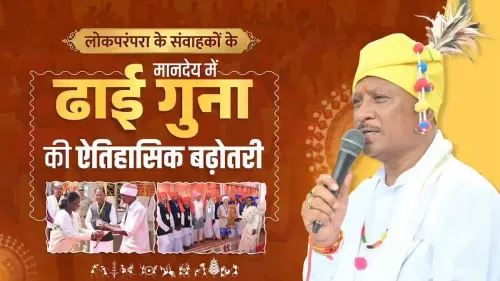
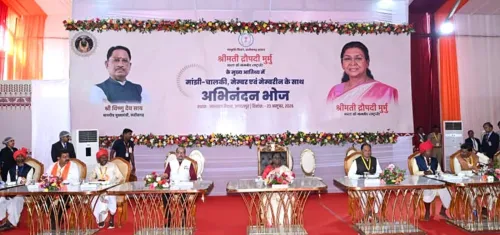
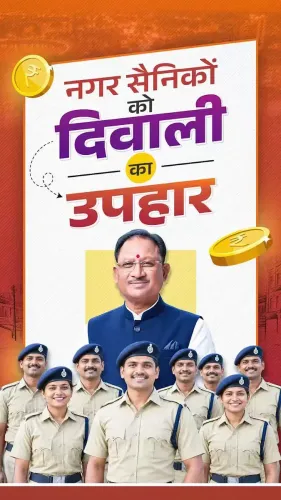
Bastar's centuries-old tribal traditions have a new financial guardian. The Chief Minister's Office of Chhattisgarh announced on Saturday, October 24, 2026, that Chief Minister Vishnu Deo Sai's government has approved a significant hike in monthly honorariums for Manjhi and Chalki functionaries — the hereditary custodians who anchor the rituals of Bastar Dussehra — following a demand raised at the Muriya Darbar.
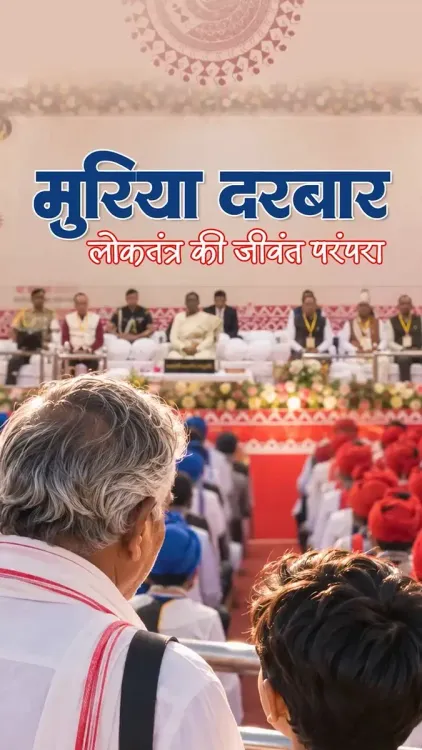
The numbers tell the story plainly. Manjhis will now receive ₹5,000 per month, up from ₹2,000 — a 150 percent increase. Chalkis move from ₹1,500 to ₹3,500 monthly, a rise of more than 133 percent. The announcement was framed as a direct response to demands placed before the government at the Muriya Darbar, the traditional assembly that serves as a living bridge between the tribal communities of Bastar and the state administration.
Who Are the Manjhis and Chalkis — and Why Do They Matter?
In Bastar's tribal governance structure, Manjhis function as village-level headmen and ritual authorities, while Chalkis serve as their deputies or messengers — roles that pre-date formal state administration by centuries. During Bastar Dussehra, the annual multi-week festival that draws tens of thousands to Jagdalpur and the surrounding region, these functionaries are not ceremonial extras. They are the operational core: organising processions, conducting rituals, and maintaining the festival's intricate customary order.
Chhattisgarh governments have recognised these roles with modest stipends since the early 2000s, but the honorarium levels had not kept pace with inflation or the demands of the role. The revised figures represent the most substantial single revision in recent memory.
Muriya Darbar as a Policy Platform
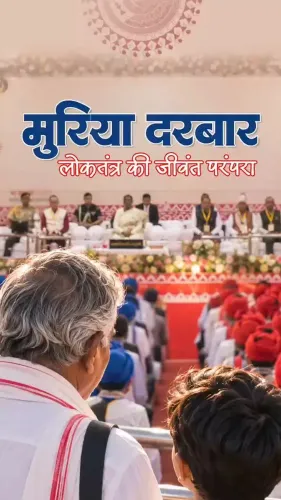
What makes this announcement politically notable is its setting. The Muriya Darbar is not a bureaucratic meeting — it is a centuries-old democratic assembly where Bastar's gond (Gondi tribal community) representatives gather to voice collective concerns to the reigning authority, a tradition that once addressed the Bastar king and now addresses the state government. Using it as the platform for a welfare announcement sends a deliberate signal: the administration is listening through indigenous channels, not just formal grievance portals.
Chief Minister Sai, who took office after the BJP's victory in the 2023 Chhattisgarh assembly elections, has consistently positioned his government's engagement with Bastar's tribal culture as a governance priority rather than a symbolic gesture. The hashtag #ViksitChhattisgarh (Developed Chhattisgarh) attached to the post places the honorarium hike within the state's broader development narrative.
Bastar Dussehra is one of the longest-running tribal festivals in India — stretching across several weeks — and its scale demands sustained voluntary effort from Manjhis and Chalkis across dozens of villages. A more viable honorarium does not just honour tradition; it makes continued participation economically possible for families who have inherited these roles across generations.
The revised honorariums are expected to be disbursed ahead of or during the 2026 Bastar Dussehra cycle. Whether this announcement is followed by broader tribal welfare allocations in the state budget will be the next measure of the government's stated commitment to Bastar's cultural keepers.
Point of View
Whose government inherited a Chhattisgarh with restive tribal regions and an active Naxal challenge in Bastar, this kind of high-visibility cultural outreach serves a dual purpose: it signals respect for indigenous institutions while building grassroots goodwill ahead of future electoral cycles. The honorarium hike is modest in absolute terms but its framing through the Muriya Darbar — rather than a press release or budget line — elevates its symbolic weight considerably. The broader question is whether financial recognition for Bastar's hereditary custodians will scale into a more comprehensive tribal cultural preservation policy.
NationPress
24 Oct 2026
Frequently Asked Questions
What is the new monthly honorarium for Manjhis in Bastar?
Manjhis will now receive ₹5,000 per month , increased from the earlier ₹2,000 , as announced by the Chhattisgarh government at the Muriya Darbar in October 2026.
What is the new monthly honorarium for Chalkis in Bastar?
Chalkis will receive ₹3,500 per month , up from the earlier ₹1,500 , following the Chhattisgarh government's announcement at the Muriya Darbar.
Who are Manjhis and Chalkis in Bastar?
Manjhis are hereditary village-level headmen and ritual authorities in Bastar's tribal communities, while Chalkis serve as their deputies or messengers — both playing a central role in organising the rituals of Bastar Dussehra .
What is the Muriya Darbar?
The Muriya Darbar is a centuries-old tribal assembly in Bastar where Gond community representatives gather to voice collective concerns to the reigning authority — historically the Bastar king and now the state government.
What is Bastar Dussehra?
Bastar Dussehra is one of India's longest tribal festivals, held annually in Jagdalpur, Chhattisgarh , spanning several weeks with processions, rituals and community assemblies rooted in the Gond tribal tradition.