CM Sai releases 30th Mahatari Vandan instalment, ₹630 cr transferred
Synopsis
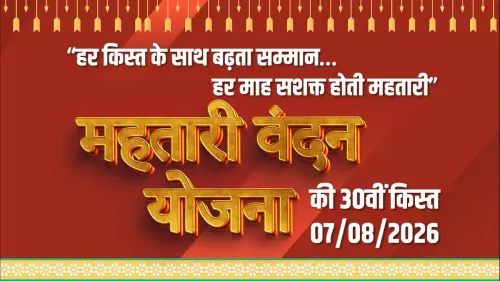
Chhattisgarh CM Vishnu Deo Sai released the 30th instalment of Mahatari Vandan Yojana on 7 August 2026, transferring ₹630.55 crore to over 67.2 lakh women via DBT. Cumulative disbursements under the scheme have now crossed ₹19,444 crore.
Key Takeaways
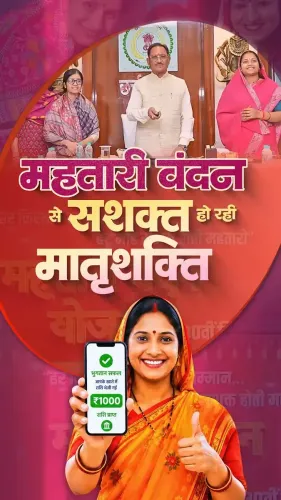
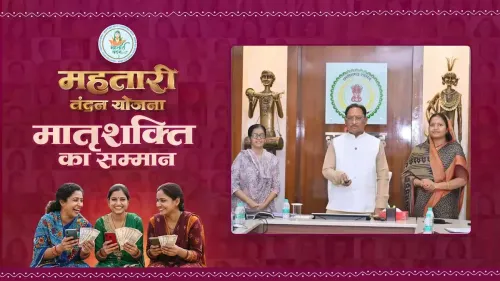
The 30th monthly instalment of Mahatari Vandan Yojana was released on 7 August 2026 from the CM's residence in Raipur . ₹630.55 crore was transferred via DBT to 67,20,125 women beneficiaries in a single disbursement.
Cumulative transfers under the scheme have now reached ₹19,444.33 crore since its launch.
The scheme provides unconditional monthly cash assistance to eligible women across Chhattisgarh .
CM Vishnu Deo Sai personally oversaw the release, framing women's economic empowerment as central to the state's development vision.
Thirty uninterrupted monthly releases signal sustained fiscal and administrative commitment by the BJP government .
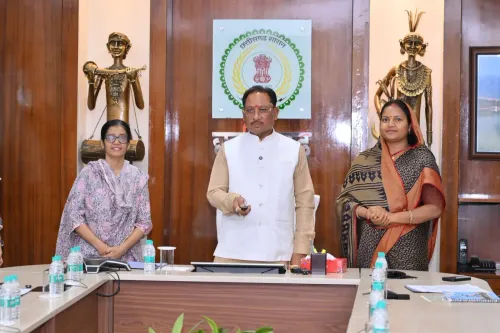
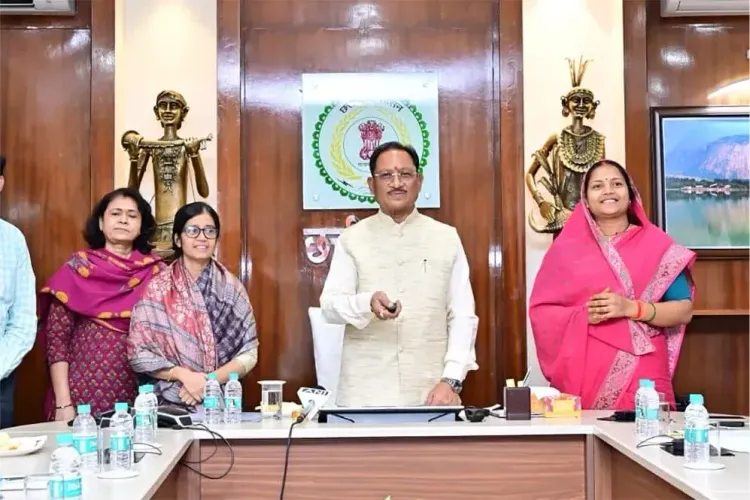
Over 67 lakh women in Chhattisgarh woke up richer on 7 August 2026 — and the number behind that sentence is staggering: ₹630.55 crore, wired directly into their bank accounts in a single day. Chhattisgarh Chief Minister Vishnu Deo Sai personally released the 30th monthly instalment of the Mahatari Vandan Yojana from the Chief Minister's residence office in Raipur, marking another milestone in the state's flagship women's cash-transfer programme.
₹19,444 crore and counting — the scale of Mahatari Vandan
The numbers demand a pause. Since the scheme's launch, a cumulative ₹19,444.33 crore has been transferred directly to eligible women beneficiaries across the state — entirely through the Direct Benefit Transfer (DBT) infrastructure that bypasses middlemen and minimises leakages. The 30th instalment alone reached 67,20,125 women, a beneficiary base that dwarfs the population of many Indian states' urban centres.
Releasing the funds, CM Sai framed the programme in explicitly social terms: 'जब माताएं और बहनें आर्थिक रूप से सशक्त होती हैं, तब परिवार समृद्ध होता है' — 'When mothers and sisters are economically empowered, the family prospers and society moves in a new direction of progress.' He added that the golden future of a developed Chhattisgarh rests in the empowered hands of 'Matrishakti' — the strength of women.
The DBT backbone powering the transfer
The Mahatari Vandan Yojana provides monthly unconditional cash assistance to eligible women in Chhattisgarh, part of a broader wave of women-focused direct-transfer schemes that swept several Indian states following the 2023 assembly elections. The DBT route — the same infrastructure underpinning national programmes — is central to the scheme's design, routing funds straight to Jan Dhan and linked accounts and cutting out the administrative chain that historically diluted welfare payouts.
The BJP government under Sai, which took office after the party's decisive win in the 2023 Chhattisgarh assembly elections, has positioned the scheme as a cornerstone of its women's empowerment agenda. Neighbouring states have rolled out comparable programmes, and the political logic is clear: direct cash in a woman's account shifts household bargaining power in ways that in-kind transfers rarely achieve.
What the 30th instalment signals
Thirty consecutive monthly releases — with no month skipped — is itself a governance signal. Welfare programmes in India have historically struggled with irregular disbursements; sustaining a ₹600-crore-plus monthly outflow for two and a half years points to both fiscal commitment and administrative capacity. Analysts watching the scheme will now focus on whether the upcoming state budget session brings any revision to eligibility criteria, the monthly transfer amount, or the beneficiary ceiling — any of which would reshape the programme's footprint heading into the next electoral cycle.
For now, the ledger reads plainly: 30 instalments, 67.2 lakh beneficiaries, ₹19,444.33 crore disbursed. In Chhattisgarh's villages and towns, that is not an abstraction — it is rent paid, school fees cleared, and a quiet shift in who controls the household purse.
Point of View
444 crore figure also gives the BJP a concrete, auditable number to counter opposition narratives about governance delivery. The deeper policy question — whether unconditional cash transfers produce lasting economic mobility or primarily serve as consumption support — remains open, but the political returns are already visible in the scheme's continued scale-up.
NationPress
22 Sept 2026
Frequently Asked Questions
What is Mahatari Vandan Yojana in Chhattisgarh?
Mahatari Vandan Yojana is a Chhattisgarh state government scheme that provides monthly direct cash assistance to eligible women through the Direct Benefit Transfer system, aimed at economic empowerment of mothers and sisters across the state.
How much money has been transferred under Mahatari Vandan Yojana so far?
As of the 30th instalment released on 7 August 2026, a cumulative total of ₹19,444.33 crore has been transferred directly to women beneficiaries under the Mahatari Vandan Yojana.
How many women benefit from Mahatari Vandan Yojana?
The 30th instalment reached 67,20,125 women — over 67 lakh beneficiaries — with ₹630.55 crore deposited directly into their bank accounts via DBT.
Who launched Mahatari Vandan Yojana?
The scheme was launched by the BJP government in Chhattisgarh under Chief Minister Vishnu Deo Sai, who took office after the party's victory in the 2023 state assembly elections.
What is the monthly amount given under Mahatari Vandan Yojana?
The scheme provides monthly cash transfers to eligible women in Chhattisgarh; the exact per-beneficiary monthly amount is set by the state government and disbursed through the Direct Benefit Transfer infrastructure.