CM Sai Reviews Tourism Mission to Boost Chhattisgarh's Economy
Synopsis
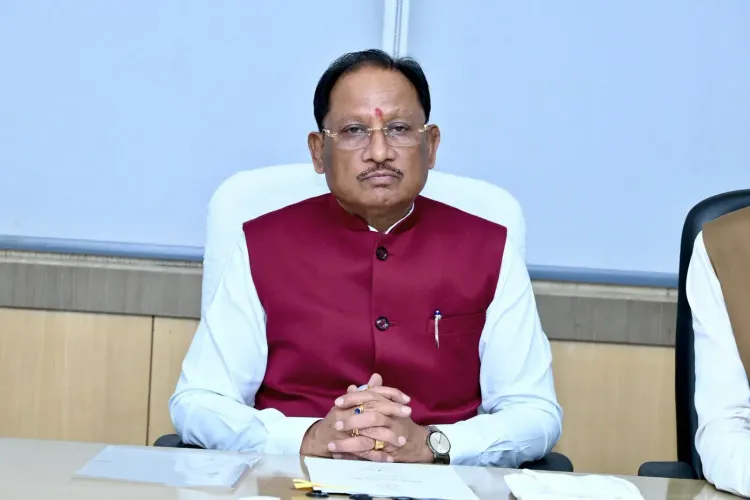
CM Vishnu Deo Sai chaired a review of the Chief Minister Tourism Development Mission on 13 October 2026, pledging to develop Chhattisgarh's natural and cultural assets into a jobs-generating economic pillar under the 'prosperity through tourism' vision.
Key Takeaways
CM Vishnu Deo Sai held a review meeting of the Chief Minister Tourism Development Mission on 13 October 2026 .
The meeting covered planned development of key tourist sites, expansion of modern infrastructure, and a promotional action plan.
The mission's stated goal is to create new employment and income opportunities for local communities, youth, and tourism entrepreneurs.
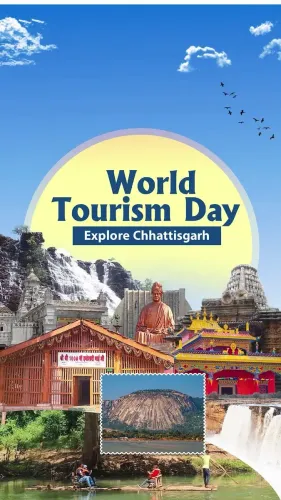
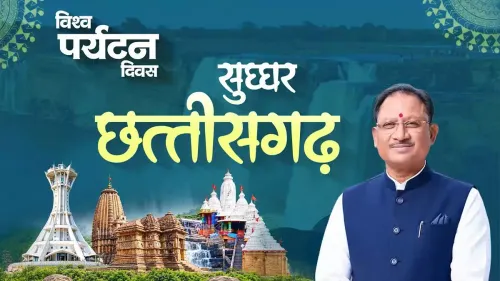
Chhattisgarh's tourism assets include forests, waterfalls, tribal culture, and ancient temple circuits — currently underleveraged against the state's mining-dominated economy.
The Sai government has adopted the slogan 'paryatan se samriddhi' ('prosperity through tourism') as the mission's guiding vision.
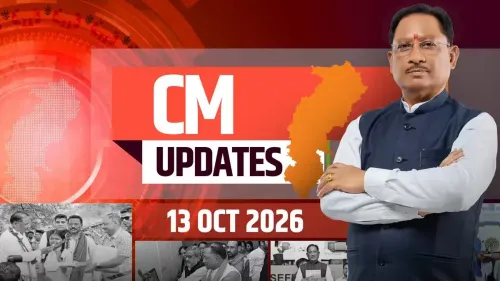
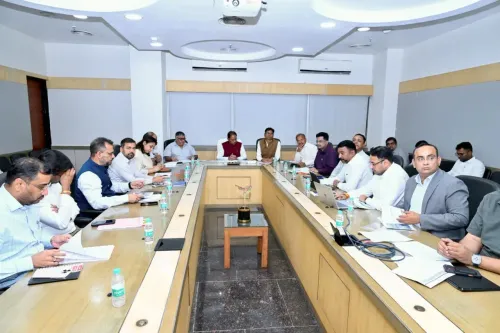
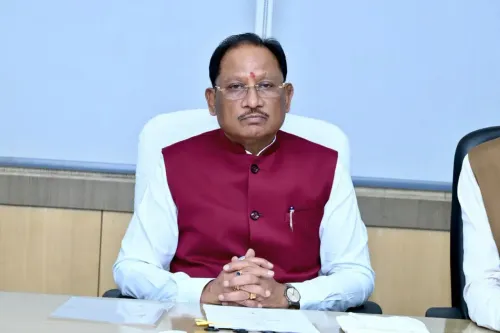
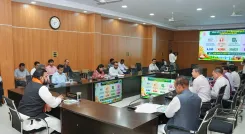
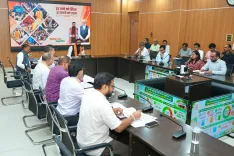
Chhattisgarh's forests, waterfalls, and tribal heritage have long been the state's best-kept secret — and Chief Minister Vishnu Deo Sai wants to change that. On Tuesday, 13 October 2026, Sai chaired a review meeting of the Chief Minister Tourism Development Mission, laying out a roadmap to turn the state's natural and cultural wealth into a sustainable economic engine.
Posting in Hindi on X, CM Sai framed the agenda in clear terms: 'पर्यटन से समृद्धि' — 'prosperity through tourism.' The meeting focused on the planned development of key tourist destinations, expansion of modern facilities, and a concrete action plan to accelerate tourist footfall and revenue across the state.
What the Mission Targets — and Why It Matters Now
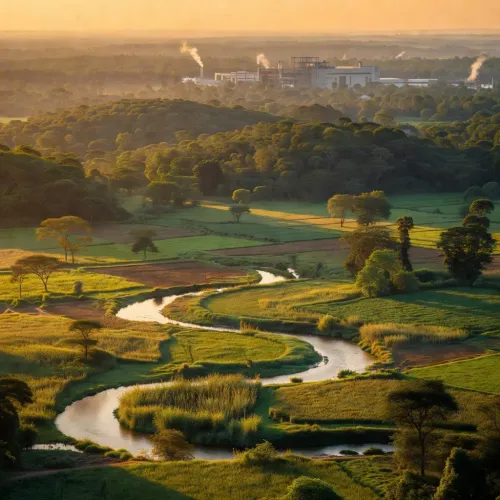
Chhattisgarh, carved out of Madhya Pradesh in 2000, is home to some of central India's most striking landscapes — dense sal forests, the thundering Chitrakote Falls, ancient temple circuits, and one of the country's richest concentrations of tribal culture. Yet the state's economic identity has remained stubbornly tied to mining and agriculture. The Chief Minister Tourism Development Mission is the Sai government's structural bet on changing that equation.
The review meeting examined how identified tourist sites are being developed, what modern amenities are being added, and how the state's promotional strategy can sharpen its national and international pitch. The goal is direct: generate new employment and income streams, particularly for local communities, youth, and small tourism entrepreneurs who stand to gain most from increased visitor traffic.
Chhattisgarh's Place in India's Wider Tourism Push
What Sai is attempting in Raipur mirrors a pattern unfolding across Indian states. From Madhya Pradesh's tiger corridors to Telangana's heritage circuits, state governments have increasingly positioned tourism as a diversification tool — a way to build economic resilience beyond extractive industries. The Centre's own push for theme-based tourism circuits has given states both a template and a political incentive to move fast.
Chhattisgarh's assets — relative wilderness, living tribal traditions, Buddhist and Hindu archaeological sites — are precisely what adventure and cultural tourism markets globally are chasing. The gap between what the state has and what it earns from visitors is, in theory, the mission's entire opportunity.
The real test will come in the next state budget and in implementation updates from the sites earmarked for development. Whether the mission translates a compelling review-room conversation into on-ground infrastructure — accessible roads, clean facilities, trained local guides, safety standards — will determine whether 'paryatan se samriddhi' becomes a slogan or a measurable shift.
Point of View
The BJP government is attempting to demonstrate governance credibility ahead of the next political cycle. The broader signal: India's resource-rich states are increasingly competing on the tourism map, and Chhattisgarh is making a calculated late entry. Whether the mission produces measurable visitor-economy growth — or remains a policy framework in search of implementation — will be the defining test.
NationPress
14 Oct 2026
Frequently Asked Questions
What is the Chief Minister Tourism Development Mission in Chhattisgarh?
It is a state-level initiative launched by the Chhattisgarh government under CM Vishnu Deo Sai to plan and develop the state's key tourist destinations, expand modern visitor facilities, and create employment through tourism growth.
What did CM Vishnu Deo Sai announce about tourism on 13 October 2026?
CM Sai chaired a review meeting of the Chief Minister Tourism Development Mission on 13 October 2026, discussing the planned development of tourist sites, infrastructure expansion, and a promotional action plan under the vision of 'prosperity through tourism.'
What are Chhattisgarh's major tourist attractions?
Chhattisgarh is known for natural attractions like Chitrakote Falls, dense sal forests, and wildlife zones, as well as tribal cultural heritage, ancient Buddhist and Hindu temple circuits, and some of central India's richest archaeological sites.
How does tourism help Chhattisgarh's economy?
Tourism offers Chhattisgarh a path to economic diversification beyond its primary sectors of mining and agriculture by generating direct employment for local communities, youth, and small entrepreneurs, and by attracting outside spending into rural and forest regions.
Who is Vishnu Deo Sai?
Vishnu Deo Sai is a BJP leader and the Chief Minister of Chhattisgarh, sworn into office in December 2023, with a background in both central and state-level politics.