CM Sai Pushes for 2,305 New Mobile Towers in Chhattisgarh
Synopsis
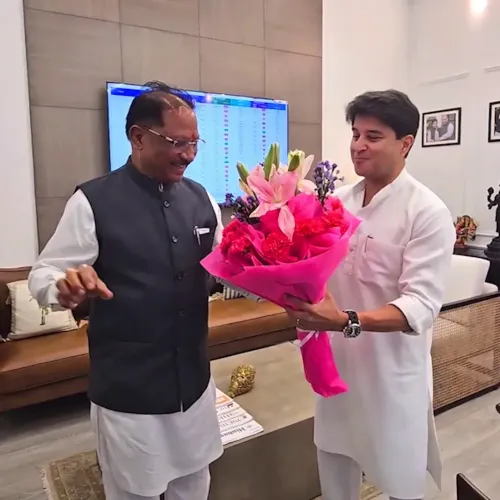
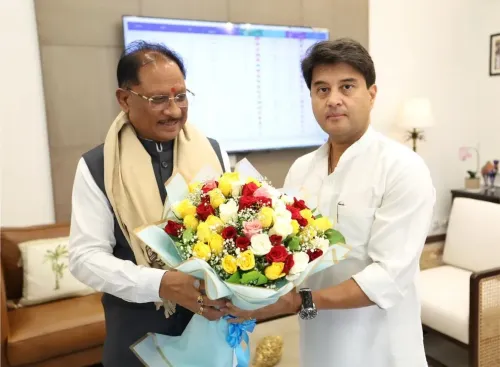
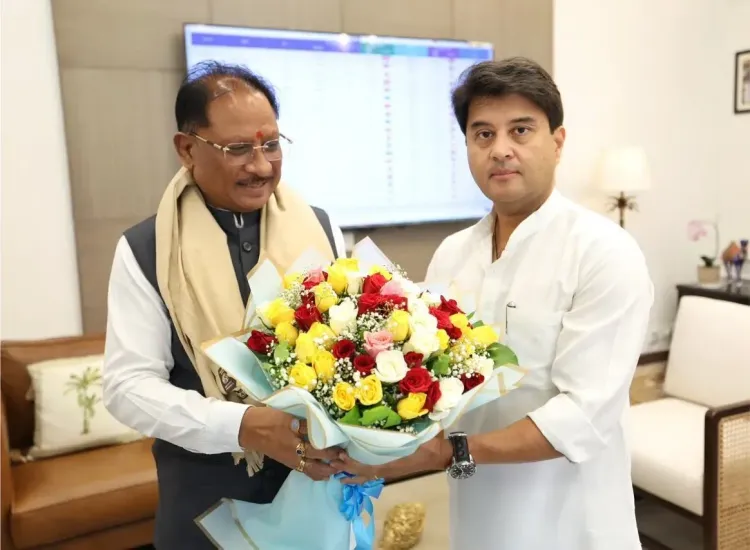
Chief Minister Vishnu Deo Sai met Union Communications Minister Jyotiraditya Scindia in New Delhi on July 31, 2026, requesting fast-track approval for 2,305 new mobile towers under Digital Bharat Nidhi for Chhattisgarh's remote, tribal, and border districts, while thanking the Centre for 577 towers already cleared.
Key Takeaways
CM Vishnu Deo Sai met Union Minister Jyotiraditya Scindia in New Delhi on July 31, 2026 to discuss digital connectivity in Chhattisgarh.
Sai formally requested fast-track approval for 2,305 new mobile towers under the Digital Bharat Nidhi (DBN) scheme.
The towers are targeted at remote, tribal, and border districts , with Bastar a named priority.
The Centre has already approved 577 additional towers for the state, which Sai acknowledged and thanked the Union government for.
Sai linked connectivity directly to access to education, health, banking, and e-governance for the 'last person' in the state.
The Digital Bharat Nidhi subsidises telecom infrastructure in areas commercially unviable for private operators.
Millions of tribal and border-area residents in Chhattisgarh could soon get their first reliable mobile signal. Chief Minister Vishnu Deo Sai travelled to New Delhi on Friday, July 31, 2026, and met Union Communications Minister Jyotiraditya Scindia to press for a major expansion of the state's digital backbone.
Sai made a pointed ask: fast-track approval for 2,305 new mobile towers under the Digital Bharat Nidhi (DBN) scheme, specifically targeting Chhattisgarh's remote, tribal, and border districts. The Chief Minister's Office confirmed the request, with Sai telling Scindia that 'strong digital connectivity will carry the benefits of education, health, banking, online services, and good governance to the last person in the state, and give fresh momentum to the inclusive development of remote areas.'
Sai also acknowledged the Centre's earlier move, thanking the Union government for already clearing 577 additional mobile towers for the state — a signal that the pipeline is moving, even if the larger tranche is still pending.
Why Bastar and the Border Districts Are the Focal Point
Bastar, the sprawling southern division of Chhattisgarh, has long been the hardest place to reach — geographically, administratively, and digitally. Its dense forests and significant tribal communities have historically made both infrastructure deployment and service delivery difficult. The hashtag #Bastar in the CMO's post signals that this region is at the top of Sai's connectivity agenda. Central and state governments have for years prioritised mobile tower rollout in left-wing extremism-affected and tribal districts of central India, recognising that connectivity is a prerequisite for everything from direct benefit transfers to telemedicine. Chhattisgarh has repeatedly sought central support under national digital inclusion frameworks — this meeting is the latest, and most specific, push in that effort.Digital Bharat Nidhi: The Fund Behind the Ask
The Digital Bharat Nidhi — formerly the Universal Service Obligation Fund, a mechanism in place since the early 2000s — pools levies from telecom operators to subsidise connectivity in commercially unviable areas. It is the natural vehicle for the kind of tower deployment Sai is seeking: areas where private operators will not invest without a public subsidy. The Digital India programme, launched in 2015, gave fresh political salience to this fund, reframing rural connectivity not just as a welfare measure but as an economic multiplier. Sai's framing on Friday — linking towers directly to banking access, health services, and governance — echoes that broader national argument. Formal DBN approvals for the requested towers and the subsequent installation timelines in priority districts are now the key milestones to watch.Point of View
With tribal welfare as the political and moral cover. The specific ask of 2,305 towers under Digital Bharat Nidhi is notable for its precision: it signals that Raipur has done the groundwork and is ready to move fast once approvals land. For Sai, who took office in December 2023 with a mandate to deliver visible development in Chhattisgarh's most underserved regions, connectivity in Bastar is both a governance priority and a political necessity ahead of the next election cycle. The meeting also underscores how the Digital India framework continues to give state governments a legitimate, funded channel to demand infrastructure from the Centre — a dynamic that has accelerated since 2015.
NationPress
15 Sept 2026
Frequently Asked Questions
What did CM Vishnu Deo Sai request from Jyotiraditya Scindia?
CM Sai requested fast-track approval for 2,305 new mobile towers under the Digital Bharat Nidhi scheme for Chhattisgarh's remote, tribal, and border areas, during a meeting in New Delhi on July 31, 2026.
What is Digital Bharat Nidhi and how does it fund mobile towers?
Digital Bharat Nidhi (DBN) , formerly the Universal Service Obligation Fund, pools levies from telecom operators to subsidise mobile and internet infrastructure in areas that are commercially unviable for private investment — primarily rural and remote regions.
How many mobile towers has the Centre already approved for Chhattisgarh?
The Union government has already approved 577 additional mobile towers for Chhattisgarh, which CM Sai acknowledged and thanked the Centre for during his meeting with Minister Scindia.
Why is Bastar specifically mentioned in Chhattisgarh's connectivity push?
Bastar is a large, forested, tribal-majority division in southern Chhattisgarh that has historically had limited infrastructure and connectivity. It has been a priority area for both security and development-linked digital rollout by the state and central governments.
What services will better mobile connectivity bring to Chhattisgarh's remote areas?
CM Sai stated that stronger connectivity would extend the reach of education, health services, banking, online government services, and e-governance to residents in the state's most remote districts.