CM Vishnu Deo Sai joins Vande Mataram chorus at Raipur school
Synopsis
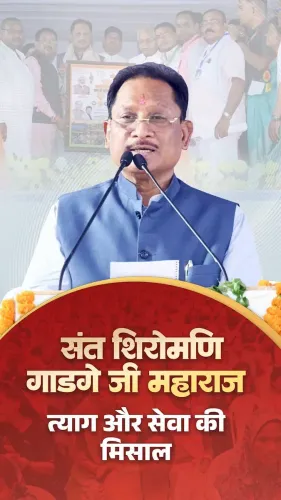
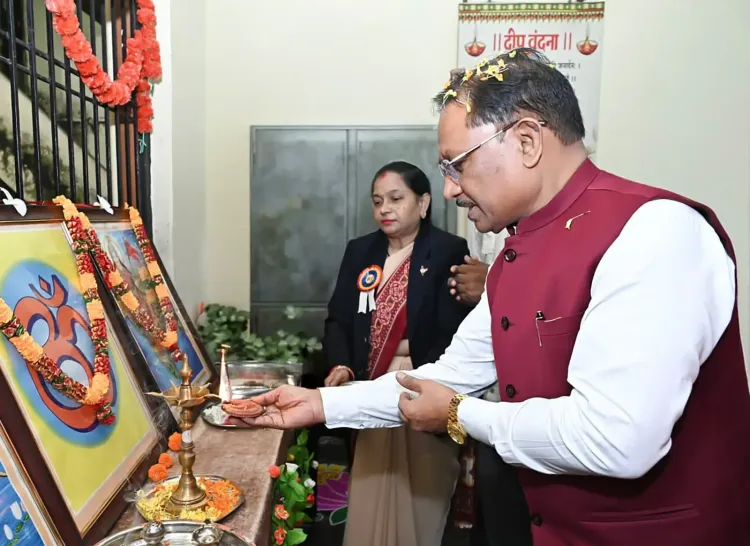
Chhattisgarh CM Vishnu Deo Sai joined students at a Vidya Bharati school in Raipur on 25 September to sing the complete Vande Mataram, calling it an act of keeping national spirit alive in the new generation.
Key Takeaways
CM Vishnu Deo Sai visited Saraswati Shishu Mandir, Rohinipuram, Raipur on 25 September 2026 .
He participated in a collective singing of the complete Vande Mataram with school children, marking #VandeMataram150 .
India's Constituent Assembly declared Vande Mataram the national song on 24 January 1950 ; the emphasis on the 'complete' version carries cultural significance.
Vidya Bharati Akhil Bharatiya Shiksha Sansthan runs several thousand schools across India integrating national and cultural values since the 1970s .
Sai extended wishes to all Vidya Bharati acharyas and teachers, framing the event as an exercise in generational continuity of national identity.
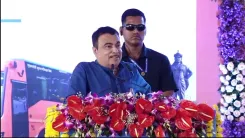
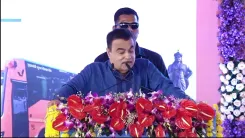
Children's voices filled a Raipur schoolyard on Friday, 25 September 2026, as Chhattisgarh Chief Minister Vishnu Deo Sai stood among students of Saraswati Shishu Mandir, Rohinipuram, and sang Vande Mataram — India's national song — in a collective chorus that moved the Chief Minister to share the moment publicly with the hashtag #VandeMataram150.
Posting in Hindi, CM Sai wrote that the occasion gave him 'the privilege of singing Vande Mataram collectively with children' at the Rohinipuram school, and described the complete song as 'the immortal voice of reverence for Mother India, dedication to the motherland, and unbreakable faith in the nation.' He added that hearing its notes rise from the throats of children left him 'overwhelmed with emotion' — mann bhaav-vibhor ho gaya.
Why the 'complete song' phrasing matters
CM Sai was deliberate about the word 'complete' (sampurna). The post emphasises that the full text of Vande Mataram — not just its first two stanzas — was sung. The Constituent Assembly declared Vande Mataram India's national song on 24 January 1950, but only the first two stanzas were accorded equal official standing with the national anthem. The emphasis on singing the complete version is a culturally loaded choice, one that resonates strongly within the Sangh Parivar tradition and in Vidya Bharati schools.
Vidya Bharati and the Rohinipuram school
Vidya Bharati Akhil Bharatiya Shiksha Sansthan is one of India's largest networks of private schools, running several thousand institutions across the country since the 1970s. Its founding philosophy weaves academic instruction together with what it calls sanskar — moral and cultural formation — and explicit national-values education. Saraswati Shishu Mandir, Rohinipuram, Raipur is one such school within that network.
CM Sai praised Vidya Bharati institutions for 'doing the work of awakening knowledge, character, and national feeling together,' and extended warm wishes to 'all acharyas and teachers of Vidya Bharati.' The reference to teachers as acharyas — a Sanskrit term for a revered guide — underscores the cultural register the Chief Minister was operating in.
A new generation as keepers of the song
The emotional centre of Sai's post is generational: he frames young students singing the full Vande Mataram not as a school exercise but as an act of national continuity. 'Hearing this complete song on the lips of the new generation is itself keeping the national spirit alive,' he wrote. The post closes with the dual salutation Vande Mataram! Bharat Mata ki Jai! — a cadence familiar from BJP rallies and RSS shakhas alike.
These engagements at RSS-affiliated Vidya Bharati schools form a consistent pattern for BJP-governed states, where cultural education events provide visible, shareable moments that connect governance with civilisational identity — a lane Sai has travelled regularly since taking office in December 2023.
The next generation sang it. The Chief Minister listened. And in Chhattisgarh's capital today, that was the whole point.
Point of View
Which has long advocated for the full text beyond the two stanzas accorded official status. For Sai, who took office in December 2023 leading a tribal-majority state with a complex cultural landscape, such engagements double as soft consolidation of a core ideological constituency. The generational framing — young voices as carriers of national memory — is a recurring BJP communication motif that pairs well with the party's larger 'Amrit Kaal' civilisational narrative.
NationPress
25 Sept 2026
Frequently Asked Questions
Why did CM Vishnu Deo Sai visit Saraswati Shishu Mandir in Raipur?
He attended a collective Vande Mataram singing event with students at the Vidya Bharati-affiliated school in Rohinipuram, Raipur, on 25 September 2026, as part of the #VandeMataram150 observance.
What is Vidya Bharati and how many schools does it run?
Vidya Bharati Akhil Bharatiya Shiksha Sansthan is one of India's largest private school networks, operating several thousand institutions since the 1970s with a focus on academics, cultural values, and national education.
When was Vande Mataram declared India's national song?
The Constituent Assembly declared Vande Mataram India's national song on 24 January 1950.
What is the significance of singing the 'complete' Vande Mataram?
Officially, only the first two stanzas of Vande Mataram hold status equal to the national anthem. Emphasising the 'complete' version is a culturally significant gesture associated with RSS and Vidya Bharati traditions that advocate for the full text.
What is #VandeMataram150?
The hashtag marks a 150-year milestone associated with Vande Mataram, the Indian national song first published in 1876 by Bankim Chandra Chattopadhyay, used in September 2026 observances.