CM Sai Slams Rahul Gandhi Over PM Residence Protest on NEET
Synopsis
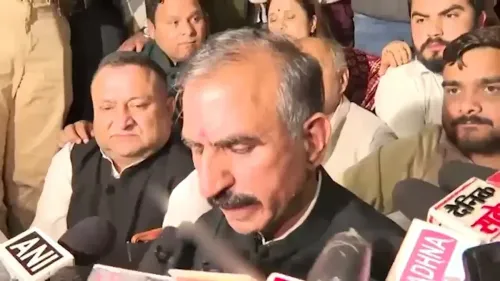
Chhattisgarh CM Vishnu Deo Sai slammed Rahul Gandhi on 22 July 2026 for staging a protest outside the PM's residence over NEET, calling it a political stunt unbecoming of the Leader of Opposition and accusing Congress of spreading anarchy under the guise of student concerns.
Key Takeaways
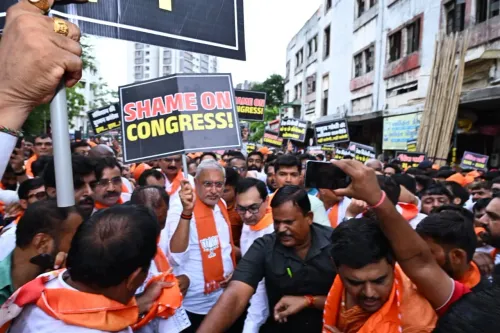
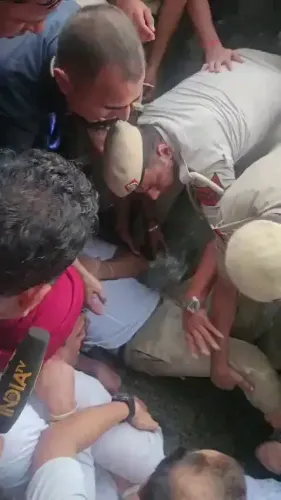
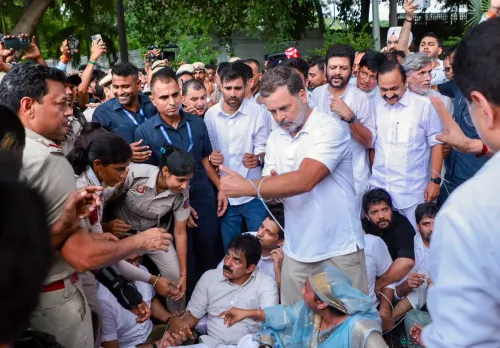
CM Vishnu Deo Sai publicly condemned Rahul Gandhi's protest outside the PM's residence on 21 July 2026 as 'contrary to democratic dignity.' The protest was staged in a prohibited security zone near the Prime Minister's official residence in New Delhi .
The demonstration was linked to the NEET-UG paper leak controversy , which triggered a CBI probe and multiple arrests following the 2024 examination cycle.
The Supreme Court of India upheld the overall integrity of the NEET-UG examination while directing further investigation into irregularities.
PM Modi had termed paper leaks a 'paap' (sin) and the re-examination was conducted and results declared with claimed full transparency.
CM Sai accused the Indian National Congress of using student grievances as a pretext to 'spread anarchy' rather than engage through parliamentary channels.
Chhattisgarh Chief Minister Vishnu Deo Sai on Wednesday, 22 July 2026, publicly condemned Leader of Opposition Rahul Gandhi's demonstration outside the Prime Minister's residence in New Delhi, calling the act 'contrary to democratic dignity' and 'condemnable.' The BJP leader, posting on X, defended the central government's handling of the NEET paper leak controversy and accused the Congress of using student concerns as cover to 'spread anarchy in the country.'
Context
In his post, CM Sai referred to an incident the previous day — Tuesday, 21 July 2026 — in which Rahul Gandhi, in his capacity as Leader of Opposition in the Lok Sabha, staged a protest outside the Prime Minister's official residence. Sai wrote, 'ऐसे राजनीतिक स्टंट की अपेक्षा नेता प्रतिपक्ष जैसे पद पर बैठे व्यक्ति से तो बिल्कुल नहीं होती' — ('Such political stunts are absolutely not expected from a person holding a position like that of the Leader of the Opposition'). He further noted that the protest took place in a 'prohibited zone' outside the Prime Minister's residence, arguing that the act was unbecoming of a constitutional post.
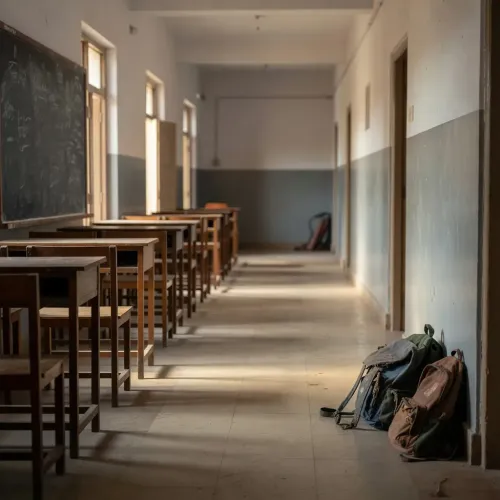
The demonstration was linked to the ongoing political row over alleged irregularities in the NEET-UG examination, which determines undergraduate medical college admissions across India and is conducted by the National Testing Agency (NTA).
Policy Backdrop
The NEET-UG paper leak controversy first erupted in 2024, when allegations of question-paper leaks and irregularities in the conduct of the examination triggered nationwide protests by medical aspirants. The Union Government ordered a Central Bureau of Investigation (CBI) probe, and multiple arrests were made in connection with the case. The Supreme Court of India heard several petitions on the matter, ultimately upholding the overall integrity of the examination while directing continued investigation.
Prime Minister Narendra Modi had publicly described paper leaks as a 'paap' (sin) and pledged stringent action and systemic reform of examination processes. CM Sai reiterated this position in his post, stating that the government 'is fully committed to ensuring transparency in the examination system' and that the examination had since been re-conducted 'with complete transparency,' with results already declared.
Stakeholders and Impact
At the centre of the controversy are lakhs of medical aspirants across India who depend on NEET-UG for admission to MBBS and BDS programmes. Any perception of compromise in examination integrity directly affects their futures, making the issue politically charged and emotionally resonant for a large section of the youth electorate. Both the ruling BJP and the principal opposition Indian National Congress have sought to position themselves as champions of student interests in this dispute.
CM Sai alleged that Congress was 'hiding behind some youth' to foment disorder — a charge the party has consistently denied, framing its protests as legitimate accountability exercises. The confrontation also raises questions about the boundaries of permissible extra-parliamentary opposition conduct, particularly in proximity to high-security zones such as the Prime Minister's residence at 7, Lok Kalyan Marg, New Delhi.
What's Next
The incident is likely to fuel further exchanges in the Lok Sabha, where the conduct of the Leader of Opposition and the government's examination-integrity record are both expected to come under scrutiny. Ongoing CBI investigations into NEET-related cases remain a key variable — any new arrests or charge-sheets could either validate the government's claim of decisive action or intensify opposition pressure. The broader contest over who speaks credibly for India's youth on education and employment policy is set to remain a defining fault-line in national politics ahead of future electoral cycles.
Point of View
The statement shifts the debate from examination integrity — where the government remains on the defensive — to the conduct of the Leader of Opposition, a terrain more favourable to the ruling party. The move also signals that the BJP intends to contest the 'pro-student' optics of the Congress protest aggressively, particularly given the electoral salience of NEET among urban middle-class and aspirational families. This exchange fits a well-established pattern since 2024 in which both sides use examination controversies as proxies for the larger argument about governance credibility and the legitimacy of extra-parliamentary protest.
NationPress
22 Jul 2026
Frequently Asked Questions
Why did Rahul Gandhi protest outside the PM's residence over NEET?
Rahul Gandhi, as Leader of Opposition, staged a demonstration outside the Prime Minister's residence to press for accountability over alleged irregularities in the NEET-UG examination. CM Vishnu Deo Sai characterised the protest as a political stunt in a prohibited security zone.
What is the NEET paper leak controversy?
The NEET-UG paper leak controversy refers to allegations of question-paper leaks and irregularities in the 2024 National Eligibility cum Entrance Test for undergraduate medical admissions. The Union Government ordered a CBI probe, made arrests, and conducted a re-examination for affected candidates.
What did CM Vishnu Deo Sai say about the NEET issue?
CM Sai stated that the central government is 'fully committed to ensuring transparency in the examination system,' that strict action has been taken against those found guilty, and that the re-examination was conducted with complete transparency and results have been declared.
Is the protest outside the PM's residence legally permissible?
The area around the Prime Minister's official residence in New Delhi is designated a prohibited or high-security zone under Indian law. CM Sai specifically cited this in his post, describing the opposition's action there as contrary to democratic dignity.
What action has the government taken on NEET paper leaks?
Following the 2024 NEET-UG controversy, the Union Government ordered a CBI investigation, facilitated multiple arrests, and oversaw a re-examination for affected candidates. The Supreme Court of India upheld the overall integrity of the examination while directing continued investigation into specific irregularities.