Akhilesh Yadav urges Sonam Wangchuk to end fast
Synopsis
Samajwadi Party president Akhilesh Yadav on 22 July 2026 said opposition MPs appealed to Ladakhi activist Sonam Wangchuk to break his fast, calling his life priceless and accusing the BJP government of being unworthy of such sacrifice.
Key Takeaways
Samajwadi Party president Akhilesh Yadav posted on 22 July 2026 urging Sonam Wangchuk to end his fast.
Opposition MPs made a personal appeal to Wangchuk to break his hunger strike, according to Yadav's post.
Yadav described Wangchuk as a 'true Indian' whose life is 'priceless for all of us.' Yadav called the BJP government 'corrupt, unethical, ruthless, heartless and inhuman,' saying it is unworthy of anyone risking their life over its arrogance.
Wangchuk has been demanding Sixth Schedule protections and statehood for Ladakh since its reorganisation as a Union Territory under the Jammu and Kashmir Reorganisation Act, 2019 .
Any Ministry of Home Affairs response or parliamentary assurance during the monsoon session will be a key indicator of how the standoff resolves.
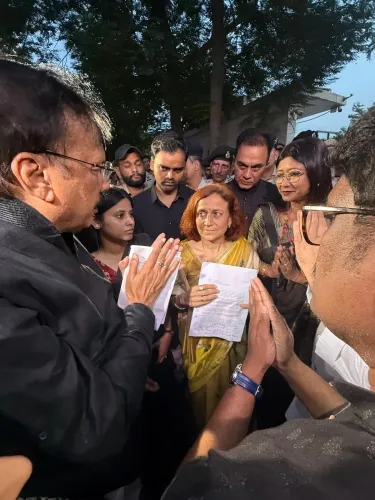
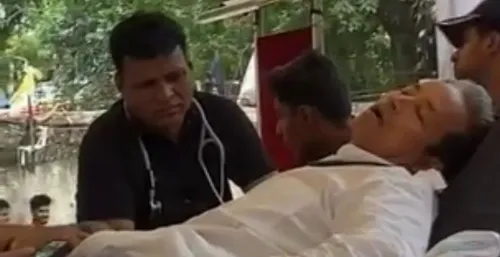
Samajwadi Party president Akhilesh Yadav on Wednesday, 22 July 2026 urged Ladakhi activist Sonam Wangchuk to break his fast, saying opposition Members of Parliament had personally appealed to him to end his hunger strike. Yadav framed the appeal as an act of conscience by a 'sensitive and compassionate' opposition, adding that no true Indian should risk his life over the arrogance of what he called a corrupt and inhuman government.
Context
In his post, Yadav wrote — 'संवेदनशील-सहृदय विपक्ष के सांसदों ने आज श्री सोनम वांगचुक जी से अनशन तोड़ने का सविनय आग्रह किया' — ('Today, sensitive and compassionate opposition MPs made a humble appeal to Shri Sonam Wangchuk to break his fast'). He added that the life of 'a true Indian like him is priceless for all of us.'
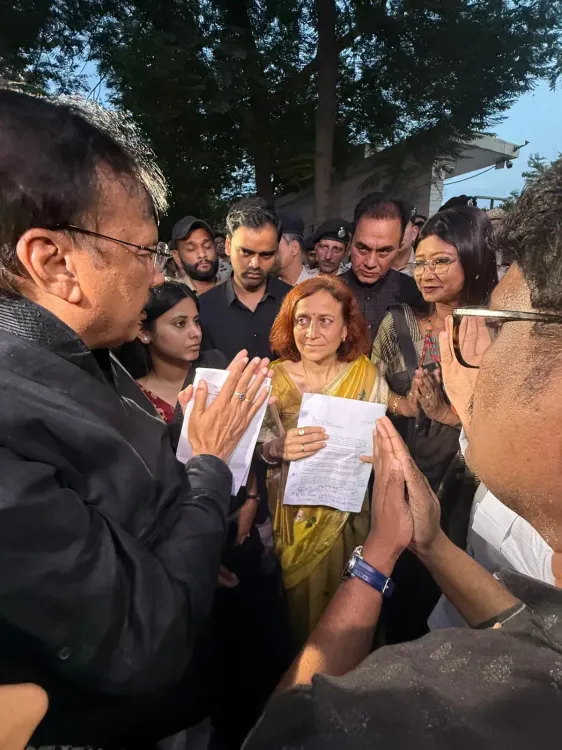
Yadav then trained his fire on the ruling dispensation, saying the BJP government — which he described as 'corrupt, unethical, ruthless, heartless and inhuman' — is 'not worthy' of anyone staking their life over its arrogance. The post was accompanied by an image and was shared on the evening of 22 July 2026.
Policy Backdrop
Sonam Wangchuk is a Ladakh-based engineer, innovator and activist who has led several high-profile protests demanding constitutional protections for Ladakh, including inclusion under the Sixth Schedule of the Constitution and restoration of statehood. These demands stem directly from the Jammu and Kashmir Reorganisation Act, 2019, which bifurcated the erstwhile state and made Ladakh a Union Territory without a legislature.
Since the reorganisation, Ladakhi civil society has argued that the region lacks adequate legislative safeguards to protect its land, culture and employment from outside interference. Wangchuk has undertaken hunger strikes on earlier occasions as well to press these demands, drawing national and international attention to Ladakh's political status.
Stakeholders and Impact
The appeal by opposition MPs signals a broader effort to build political solidarity around Ladakhi aspirations ahead of what observers expect to be a significant session of Parliament. For Wangchuk, support from mainstream national parties lends his campaign wider visibility beyond the Union Territory.
For the Samajwadi Party and allied opposition groups, the intervention offers an opportunity to highlight what they characterise as the central government's indifference to border communities. The framing — that a 'true Indian' should not have to fast unto death over a government's 'arrogance' — is calibrated to appeal to a national audience sensitive to issues of regional identity and dignity.
What's Next
Attention will now turn to whether the Ministry of Home Affairs schedules any high-level meeting with Ladakh representatives or whether related assurances are tabled in Parliament during the ongoing monsoon session. Any formal government response to Wangchuk's demands could determine whether the fast continues or is suspended.
If the central government remains silent, opposition parties are likely to escalate their support, potentially raising the issue on the floor of both Houses. The episode underscores the unresolved tension between New Delhi's administrative approach to Ladakh and the aspirations of its residents for elected representation and constitutional safeguards.
Point of View
' Yadav frames the Ladakh question not merely as an administrative dispute but as a test of the ruling party's humanity — a framing that resonates well beyond the Union Territory. The intervention fits a broader opposition pattern of using high-profile civil society protests to build a national counter-narrative on autonomy and federalism. Whether it translates into concrete legislative pressure during the monsoon session will be the real measure of the opposition's commitment.
NationPress
23 Jul 2026
Frequently Asked Questions
Why is Sonam Wangchuk on a hunger strike?
Sonam Wangchuk has been demanding Sixth Schedule constitutional protections and statehood for Ladakh, which was made a Union Territory without a legislature under the Jammu and Kashmir Reorganisation Act, 2019.
What did Akhilesh Yadav say about Sonam Wangchuk's fast?
Akhilesh Yadav said on 22 July 2026 that opposition MPs made a humble appeal to Wangchuk to break his fast, calling his life 'priceless' and saying the BJP government is not worthy of anyone staking their life over its arrogance.
What is the Sixth Schedule and why does Ladakh want it?
The Sixth Schedule of the Indian Constitution provides autonomous governance structures to protect the land, culture and employment of tribal communities; Ladakhi activists argue its inclusion would safeguard the region from outside demographic and economic pressures following the 2019 reorganisation.
Which opposition parties are supporting Sonam Wangchuk?
Akhilesh Yadav's post indicates that opposition MPs broadly — described as 'sensitive and compassionate' — have extended support, though specific parties and names involved in the 2026 appeal have not been independently verified.
What happens next in the Ladakh statehood issue?
Observers are watching for any scheduled meeting between Ladakh representatives and the Ministry of Home Affairs, or parliamentary assurances during the monsoon session, which could determine whether Wangchuk's fast continues or is suspended.