CM Vishnu Deo Sai Thanks Shivratan Sharma for Wishes
Synopsis
Chhattisgarh Chief Minister Vishnu Deo Sai publicly thanked BJP associate Shivratan Sharma on X on 27 May 2026 for good wishes, in a brief Hindi post reflecting routine political goodwill exchanges common among Indian chief ministers.
Key Takeaways
CM Vishnu Deo Sai posted a public thank-you to Shivratan Sharma on X on 27 May 2026 .
The message, in Hindi, translates to: 'Shri Shivratan Sharma ji, thank you for your good wishes.' The specific occasion for the good wishes was not disclosed in the post.
Vishnu Deo Sai has been Chhattisgarh's Chief Minister since December 2023 and is the state's first tribal CM.
Such social media exchanges are a common practice among Indian chief ministers to sustain party networks and public visibility.
Chhattisgarh Chief Minister Vishnu Deo Sai on Wednesday, 27 May 2026 publicly acknowledged good wishes from Shivratan Sharma via a post on X, expressing gratitude in a brief Hindi message.
Context
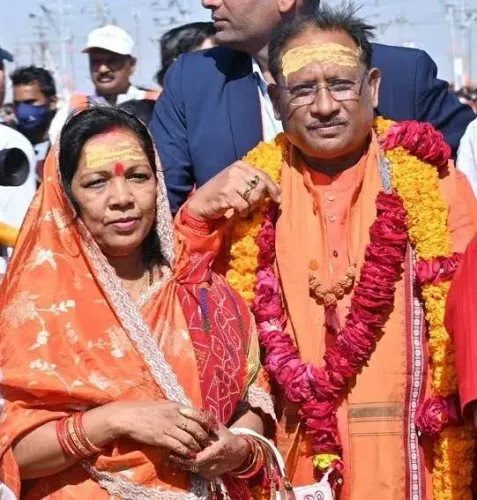
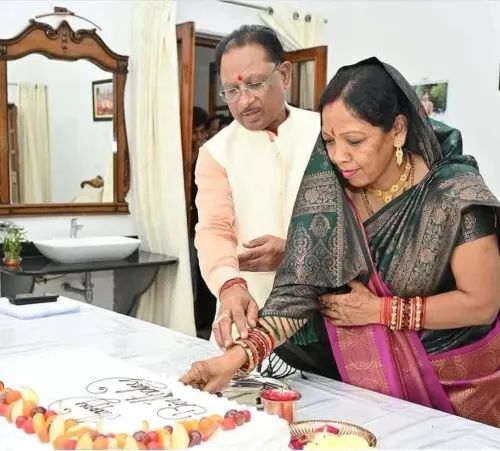
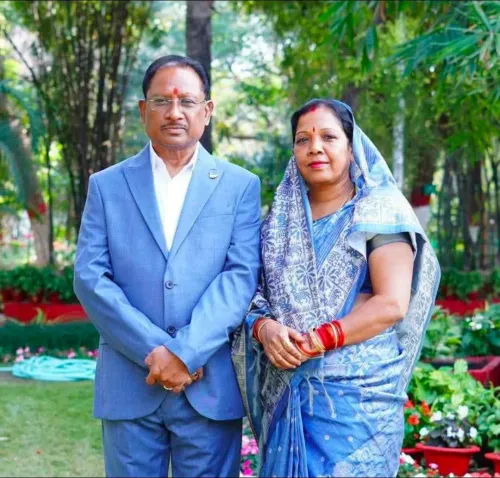
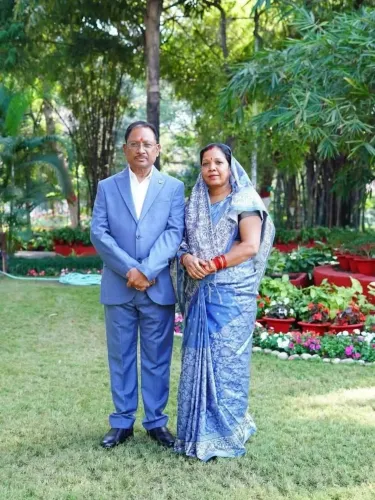
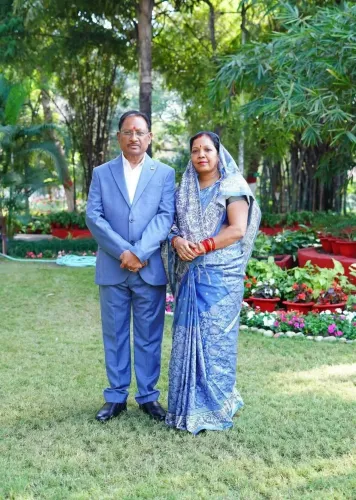
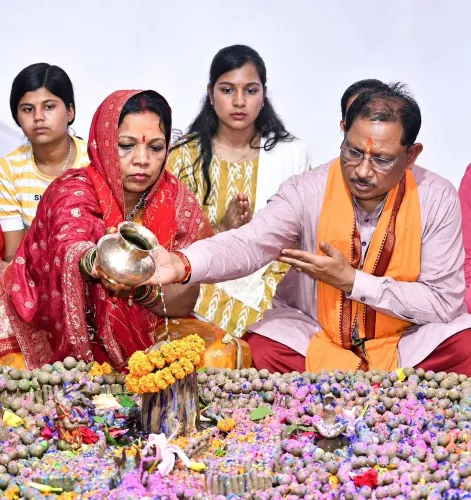
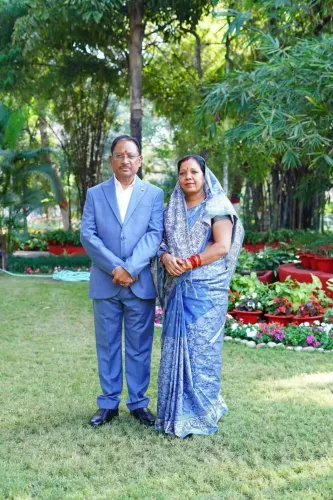
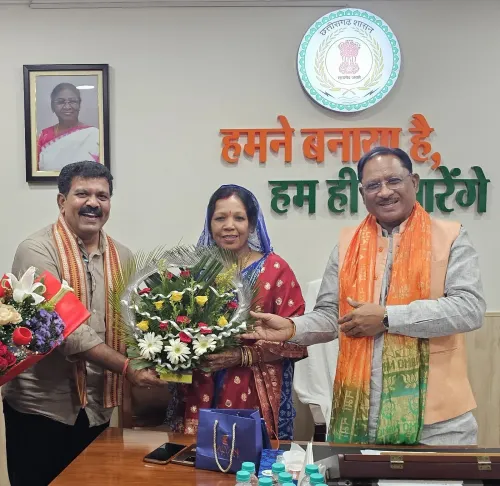
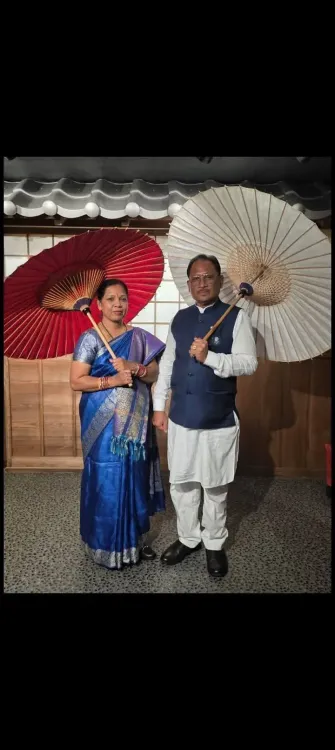
In his post, CM Sai wrote, 'श्री शिवरतन शर्मा जी, आपकी शुभेच्छाओं के लिए धन्यवाद' — translating to, 'Shri Shivratan Sharma ji, thank you for your good wishes.' The message was accompanied by an image and addressed Shivratan Sharma by name, signalling a personal or politically significant exchange within the BJP ecosystem in Chhattisgarh.
The exact occasion prompting the good wishes — whether a birthday, political anniversary, or other milestone — was not specified in the post.
Policy Backdrop
Vishnu Deo Sai has served as Chief Minister of Chhattisgarh since December 2023, when the BJP returned to power in the state after two consecutive terms of Congress rule. He is the state's first tribal Chief Minister and previously represented the Surguja constituency as a Lok Sabha MP and served as a Union Minister.
Public acknowledgements of this kind are a routine feature of political communication among Indian chief ministers, used to maintain visibility and goodwill among party colleagues, local leaders, and supporters on social media platforms.
Stakeholders and Impact
Such exchanges primarily involve BJP workers, state-level political leaders, and the broader party network in Chhattisgarh. They reinforce interpersonal bonds within the organisation and demonstrate the Chief Minister's accessibility to party functionaries.
For figures like Shivratan Sharma, a public acknowledgement from the Chief Minister on a widely followed platform carries symbolic weight within local political circles.
What's Next
The next major electoral milestone for Chhattisgarh is the 2028 state assembly election, which will test the BJP's hold on the state. In the interim, any cabinet reshuffle or significant policy announcement from CM Sai's government will be closely watched by state political observers.
Point of View
High-visibility tool for maintaining intra-party relationships — particularly significant in a state like Chhattisgarh where the BJP returned to power in 2023 after a gap of five years. CM Sai's consistent engagement with party members on social media reflects a deliberate effort to consolidate organisational loyalty ahead of the 2028 assembly cycle. While the post itself carries no direct policy weight, it is part of a broader pattern of political communication that keeps the Chief Minister's profile active and accessible. Such gestures often carry outsized symbolic meaning within the hierarchical culture of Indian state politics.
NationPress
19 Sept 2026
Frequently Asked Questions
Who is Vishnu Deo Sai?
Vishnu Deo Sai is the Chief Minister of Chhattisgarh and a BJP leader who took office in December 2023. He is the state's first tribal Chief Minister and previously served as a Lok Sabha MP from Surguja and as a Union Minister.
Why did CM Vishnu Deo Sai thank Shivratan Sharma?
CM Vishnu Deo Sai thanked Shivratan Sharma on X for sending him good wishes. The specific occasion — such as a birthday or political anniversary — was not mentioned in the post.
Who is Shivratan Sharma?
Shivratan Sharma is the individual addressed in CM Sai's X post. His exact designation or role has not been specified in the post or confirmed through available information.
When did Vishnu Deo Sai become Chief Minister of Chhattisgarh?
Vishnu Deo Sai became Chief Minister of Chhattisgarh in December 2023 after the BJP won the state assembly elections, ending two consecutive terms of Congress governance.
What is the next major election in Chhattisgarh?
The next Chhattisgarh state assembly election is expected in 2028, which will be a key test for the BJP government led by CM Vishnu Deo Sai.