CM Saini Backs Centre's Swift Action on NEET Paper Leak
Synopsis
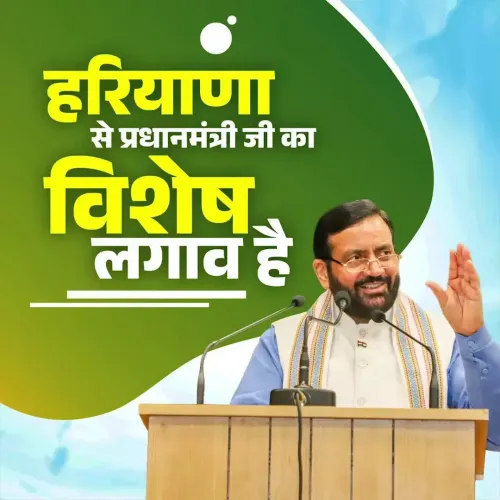
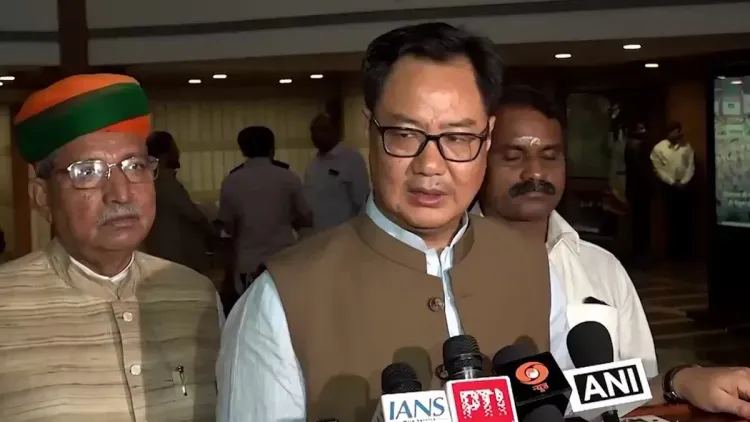
Haryana Chief Minister Nayab Singh Saini on 21 July 2026 praised the Modi government's swift action on an alleged NEET paper leak, citing arrests of the accused, a timely re-examination, and quick results — framing youth welfare as the Centre's top priority.
Key Takeaways
Haryana CM Nayab Singh Saini publicly backed the Modi government's handling of the NEET paper-leak episode on 21 July 2026 .
Saini stated that those responsible for the leak were arrested and jailed promptly after information surfaced.
A re-examination was conducted in a time-bound manner and results were declared quickly, according to Saini's post.
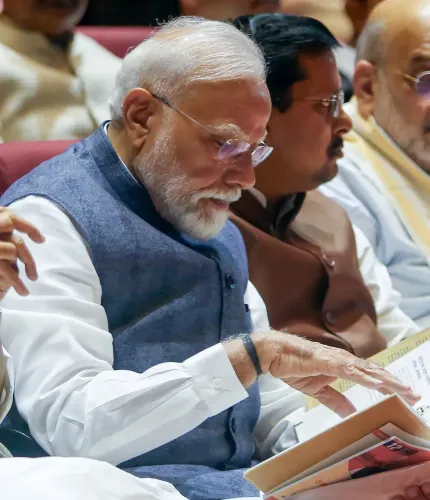
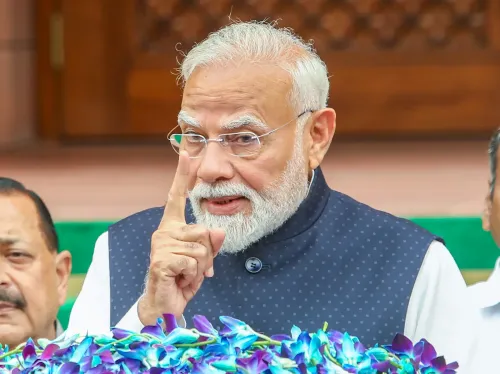
PM Modi's message, as conveyed by Saini, is that anyone who 'plays with the dreams of youth' will face the strictest punishment under law .
NEET has been India's sole national medical entrance test since 2016 , making any credibility breach a high-stakes political and social issue.
Possible legislative reforms to the National Testing Agency and examination-malpractice penalties remain on the policy horizon.
Haryana Chief Minister Nayab Singh Saini on Tuesday, 21 July 2026, backed the Modi government's response to an alleged paper leak in the NEET undergraduate entrance examination, stating that the Centre acted swiftly and decisively the moment information about the leak emerged. Saini said accused individuals were arrested and jailed, and that a re-examination was conducted on schedule with results declared promptly.
Context
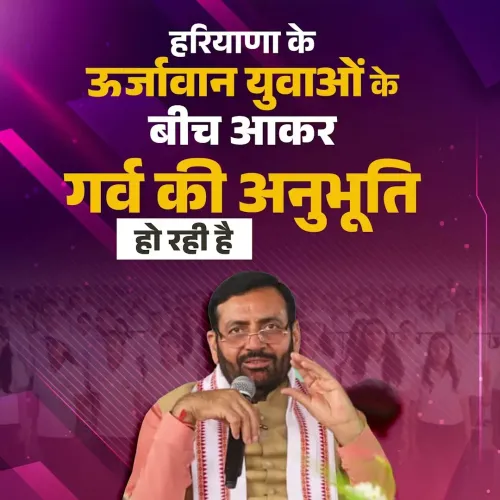
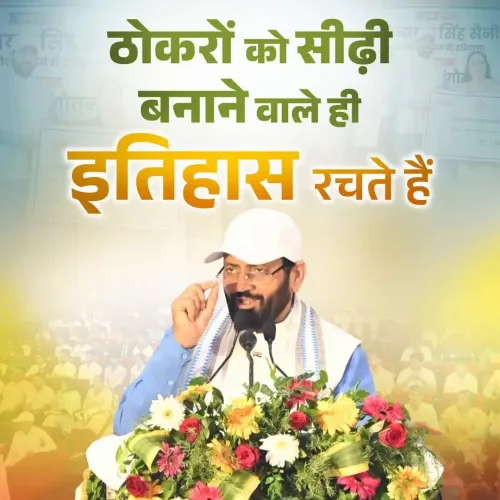
Posting on X, CM Saini wrote that 'देश के युवाओं का भविष्य मोदी सरकार की सर्वोच्च प्राथमिकता है' ['The future of the country's youth is the Modi government's highest priority']. He credited Prime Minister Narendra Modi's leadership for what he described as prompt action — arrests of the guilty, a time-bound re-examination, and early declaration of results — to protect students' futures. Saini further conveyed the Prime Minister's message that 'those who play with the dreams of the youth will not be spared at any cost.'
The post also carried a video, indicating a media-backed communication push rather than a routine text statement.
Policy Backdrop
NEET — the National Eligibility cum Entrance Test — has been the single national entrance examination for undergraduate medical and dental admissions since 2016, when it replaced a patchwork of state-level tests and the older AIPMT to standardise the admissions process. Conducted annually by the National Testing Agency (NTA), the examination is taken by lakhs of aspirants across India each year, making any credibility breach a politically and socially sensitive issue.
Allegations of examination malpractice — ranging from paper leaks to impersonation — have surfaced periodically since the test's inception, prompting recurring government responses that include arrests, cancellations of affected sittings, and public pledges of stricter enforcement. The broader debate around the NTA's structural robustness and the adequacy of penalties for malpractice has remained active in policy circles.
Stakeholders and Impact
The most directly affected group is medical aspirants — students who spend years preparing for NEET and whose admission to government medical colleges depends entirely on their rank. Any disruption to the examination cycle delays their academic trajectory and compounds financial and psychological pressure on families. A re-examination, however time-bound, extends uncertainty for hundreds of thousands of candidates.
The government's stated position — that perpetrators face the 'strictest punishment under law' — is aimed at reassuring this constituency ahead of the next examination cycle. BJP-governed states, including Haryana, have a political stake in amplifying the Centre's narrative on merit protection, as youth welfare and education integrity are increasingly prominent campaign themes.
What's Next
Saini's statement signals continued political pressure on the Centre to follow through on its commitments, including possible legislative action to enhance penalties for examination-related offences. Debate around structural reforms to the National Testing Agency — covering question-paper security, digital delivery, and third-party audits — is expected to intensify in parliamentary and policy forums. How swiftly the government translates its public messaging into enforceable legal changes will determine whether this episode marks a durable shift in examination governance or remains another cycle of crisis-and-reassurance.
Point of View
The messaging attempts to shift the conversation from institutional accountability at the NTA to the government's punitive resolve. This pattern — rapid public reassurance followed by calls for harsher penalties — has been the default response to examination controversies across administrations, and its effectiveness ultimately depends on whether structural reforms to examination security follow. The statement also signals that Haryana, heading into its own political calendar, is keen to position itself firmly within the Centre's youth-welfare narrative.
NationPress
21 Jul 2026
Frequently Asked Questions
What did Haryana CM Nayab Singh Saini say about the NEET paper leak?
CM Saini said the Modi government acted swiftly after learning of the NEET paper leak — arresting the accused, sending them to jail, conducting a re-examination on schedule, and declaring results promptly. He also conveyed PM Modi's message that those who tamper with students' futures will face the strictest punishment under law.
Was a NEET re-examination conducted after the 2026 paper leak?
According to CM Saini's post on 21 July 2026, a re-examination was conducted in a time-bound manner and results were declared quickly. Independent verification of the specific schedule and dates is not available from records prior to 2024.
What is NEET and why does a paper leak matter?
NEET — the National Eligibility cum Entrance Test — is India's single national entrance examination for undergraduate medical and dental admissions, introduced in 2016. Because lakhs of students depend on it for admission to government medical colleges, any leak directly harms their prospects and undermines the credibility of the entire admissions system.
What action did the government take against those responsible for the NEET leak?
CM Saini stated that those found guilty of the paper leak were arrested and sent to jail, and that the government has committed to ensuring the strictest punishment under law to deter future malpractice.
Could there be new laws against NEET and exam paper leaks in India?
Policy observers expect debate around stronger legislation targeting examination malpractice and structural reforms to the National Testing Agency, though no specific bill has been confirmed as of this report.